
Have you ever thought about living better even with rheumatoid arthritis pain? Picture treating pain not as a hard stop, but as a gentle hint that things can change. Back in the day, people often just accepted the pain, letting it be a part of life. Now, you can work with health experts and jot down your symptoms every day, which can help create a kinder routine for your body. This new way of looking at pain might ease your discomfort, lift your mood, and help you enjoy comfort every hour of the day. Ready to see pain differently and step into a brighter outlook?
rheumatoid arthritis pain management: Embrace Comfort Daily

Living with rheumatoid arthritis means more than just lowering a pain number. It’s about setting goals so you can enjoy each day. Before modern treatments, folks had to accept pain as a constant companion. Now, teaming up with a doctor, a physical therapist, and an occupational therapist gives you solid support for both body and spirit.
You are a key part of your own care. Keeping track of your symptoms each day and chatting about treatment changes with your care team can make a big difference. RA pain can come in different forms, sometimes it feels like swelling, other times like wear and tear, or even a mix of both. When you see pain as a signal to adjust your day instead of a stop sign, you might find new ways to feel better overall.
The usual treatments include simple pain relievers, NSAIDs (medicines that ease swelling), DMARDs, and biologic DMARDs. For example, taking an NSAID with food can help keep your stomach happy by reducing irritation. Adding gentle movement like strength training, water exercises, or Tai Chi can boost how well you move and ease some of the pain. Many people also try nutritional supplements like fish oil, glucosamine, and chondroitin for extra help.
Everyday care can also include tips like learning the right way to self-inject methotrexate and safely disposing of needles. From research updates between 2016 and now, both patients and clinicians are finding new ways to shift focus from just coping to truly embracing comfort.
Rheumatoid Arthritis Pain Assessment and Symptom Monitoring

Doctors start by checking your joints for tenderness and swelling. They carefully feel each joint, looking for tiny changes. At the same time, many patients keep a diary or use simple pain scales to record how their joints feel each day. For instance, someone might jot down, "This morning my joints felt really stiff, much like the 1-2 hours of stiffness people with RA often experience."
Simple blood tests like ESR (short for erythrocyte sedimentation rate) and CRP (C-reactive protein) help show how much inflammation is in the body. These tests often guide doctors when it’s time to adjust treatment. In addition, imaging tools such as ultrasound and MRI give a clear picture of joint lining irritation and any damage that might be happening, so everyone can see how the condition is moving along.
Doctors also work hard to tell apart inflammatory pain from mechanical pain, which is important because each type usually needs a different way to be handled. They also watch out for extra risk factors like a family history, smoking, and obesity. By using all these methods together, patients and their healthcare teams can catch early signs of changes or flares quickly, making it easier to adjust the plan based on what the body tells them.
Pharmacological Treatment Strategies for Rheumatoid Arthritis Pain Management
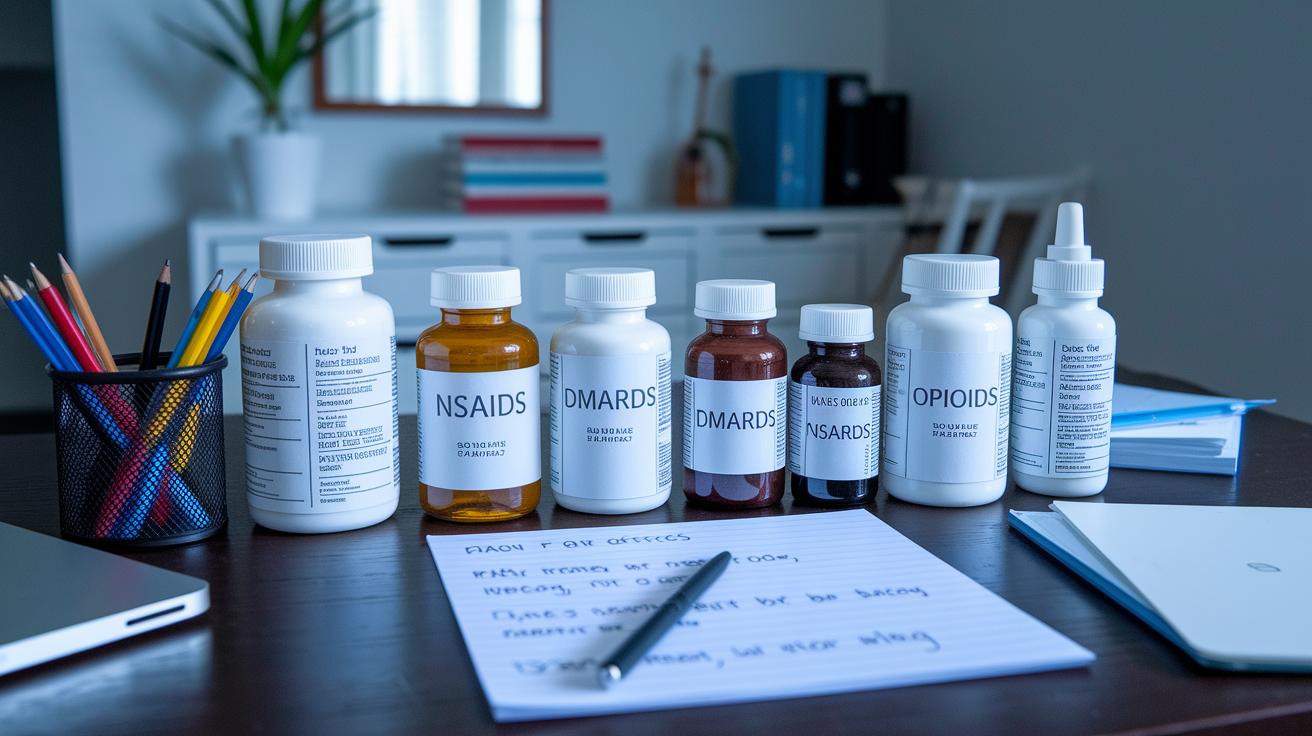
If you're dealing with rheumatoid arthritis pain, medications play a really important role. Over-the-counter options like ibuprofen, naproxen, and aspirin help lessen inflammation and ease mild pain. Many doctors suggest taking these with food to avoid upsetting your stomach. For example, someone might say, "I take my naproxen after lunch and it smooths out my day."
Sometimes, the available over-the-counter meds just aren’t enough. In those cases, you might turn to prescription NSAIDs like meloxicam, diclofenac, or celecoxib. There’s also acetaminophen, more commonly known as Tylenol. It can be used in doses up to 2 grams each day for mild pain. Just keep in mind that acetaminophen helps with pain but doesn’t really reduce inflammation.
There are also drugs called DMARDs (which help slow down joint damage) like methotrexate, sulfasalazine, and leflunomide. Then come the biologic DMARDs such as TNF inhibitors, IL-6 blockers, and JAK inhibitors. These target very specific parts of the immune system. They follow guidelines from top rheumatology experts and can really make a difference in how your joints feel over time.
Corticosteroids work quickly to keep flare-ups under control, but if you use them for a long time they might lead to problems like osteoporosis, diabetes, or high blood pressure. Opioid pain relievers such as tramadol or codeine are given to about 40% of patients. However, they can be risky because of issues like addiction and reduced effectiveness over time. Some people even combine treatments, such as using an NSAID with an opioid or adding a low-dose antidepressant to help with sleep and mood.
| Drug Category | Common Examples | Primary Purpose | Notable Side Effects |
|---|---|---|---|
| Over-the-counter NSAIDs | Ibuprofen, Naproxen, Aspirin | Pain relief and reducing inflammation | Stomach upset, bleeding risk |
| Prescription NSAIDs | Meloxicam, Diclofenac, Celecoxib | Stronger anti-inflammatory control | GI issues, heart risks |
| Acetaminophen | Tylenol | Mild pain relief | Liver damage if overdosed |
| DMARDs | Methotrexate, Sulfasalazine, Leflunomide | Slow joint damage | Digestive upset, liver concerns |
| Biologic DMARDs & Corticosteroids | TNF inhibitors, IL-6 blockers, JAK inhibitors; Corticosteroids | Target the immune system, quick flare-up control | Infection risk, osteoporosis, metabolic changes |
Physical and Occupational Therapy Options for Rheumatoid Arthritis Pain Management

Physical and occupational therapy can really help ease joint pain while making daily life a bit smoother. You usually start by giving those sore joints a break with aids like wrist splints or knee braces. These devices not only support the joints but also show you how to move safely during flare-ups. And if your knees or hips are hurting, a walking stick or walker can take some of the load off, making it easier to get around.
Sometimes, little changes in your routine make a big difference. For example, choosing shoes with thick, cushioned soles or getting custom-fit shoes can ease the pressure on tired feet. A quick 15-minute session with heat or cold can also help reduce stiffness and swelling. Plus, aquatic therapy, exercising in water, lets you move more freely because the water supports your weight, giving your joints a break.
| Assistive Device | Benefit |
|---|---|
| Wrist Splints | Guide and support joint movement |
| Knee Braces | Stabilize and reduce knee pain |
| Walking Sticks/Walkers | Reduce stress on weight-bearing joints |
| Custom-fit Shoes | Provide extra cushion for tired feet |
| Ergonomic Kitchen Utensils | Makes everyday tasks easier and safer |
Using these options can help you stay active and boost your confidence when dealing with daily challenges. Isn’t it nice to know there are practical ways to make things a bit easier?
Exercise Therapy Benefits for Rheumatoid Arthritis Pain Management

Aerobic and Aquatic Exercises
Regular aerobic exercise can help your heart and ease joint pain at the same time. Walking, cycling, and even a light jog warm up your joints gently so you don’t feel too much strain. Picture a calm morning bike ride with a slight breeze on your face while your heart beats steadily. Aquatic workouts work wonders too. The water helps your muscles get stronger without putting too much weight on your joints. It’s almost like enjoying a soft, natural massage. Many people say that a regular swim makes everyday tasks easier and helps reduce pain after sitting for too long.
Resistance Training and Strength Workouts
Strengthening the muscles around your joints is really important. Resistance training using light weights or resistance bands can help fix muscle weakness over time. For example, a few minutes of leg lifts or seated shoulder presses can mean a big change. These exercises make your joints firmer, so you feel more stable when you move. I once heard someone mention how using resistance bands helped them feel much steadier when climbing stairs. Even just a few short workouts regularly can make a noticeable difference in how comfortable you feel every day.
Mind-Body Practices: Tai Chi and Yoga
Tai Chi and yoga mix gentle movements with deep breathing to bring balance and calm. Tai Chi, with its slow and graceful motions, can improve your posture and make you feel steady. In contrast, yoga helps stretch out tight areas and makes your body more flexible. Imagine finishing a yoga session and feeling your tension melt away like ice under the warm sun. These practices can ease stress and help manage pain by focusing your mind. Adding them to your weekly routine might change your exercise experience into one that is both calming and effective for managing rheumatoid arthritis pain.
Dietary Approaches and Supplementation for Rheumatoid Arthritis Pain Management

Focusing on an anti-inflammatory diet can really help ease joint pain. Eating whole foods like fruits, vegetables, whole grains, and lean proteins gives your body natural tools to fight inflammation. When you pack your plate with a rainbow of veggies and fruits, you're also loading up on vitamins and antioxidants that support healthy joints. For example, imagine a bowl brimming with mixed berries served alongside fresh leafy greens, the taste is great and it does wonders for your body.
Adding certain supplements might bring extra comfort too. Turmeric, a spice containing curcumin (a natural compound known to lower inflammation), has been shown to help reduce those pesky inflammatory chemicals. Fish oil is another choice that can make a difference, especially when you take between 1 and 3 grams daily; it delivers soothing fats like EPA and DHA (fats that support joint comfort). Even though studies on glucosamine and chondroitin sulfate have mixed reviews, many people still add them to their routines in hopes of keeping their joints cushioned and flexible. Other natural options like ginger, boswellia, and green tea polyphenols are also popular for easing discomfort.
Here are some key anti-inflammatory picks to consider:
| Food/Supplement | Benefit |
|---|---|
| Fruits and vegetables | Loaded with vitamins and antioxidants |
| Whole grains | Provides vital nutrients and fiber |
| Lean proteins | Supports muscle and joint repair |
| Turmeric (curcumin) | Helps block inflammatory chemicals |
| Fish oil | Supplies calming fats like EPA and DHA |
With these simple food choices and supplements, you build a natural base to help keep inflammation in check. Little daily tweaks can add up, making it easier to manage rheumatoid arthritis pain over time. Have you ever noticed how small changes can lead to big improvements?
Complementary Therapies for Rheumatoid Arthritis Pain Management

Acupuncture and Manual Therapies
Acupuncture and moxibustion have been used to ease joint pain and stiffness, even though there isn’t as much research on rheumatoid arthritis as on osteoarthritis. Many patients say that gentle needle work feels like a soft touch that helps soothe their discomfort. Massage and other manual therapies can relax tight muscles and get your blood moving, which might make stiff joints feel a bit looser. It’s like feeling a cool breeze on a hot day, refreshing and calming. They don’t replace your regular medications but can really add some extra comfort during painful flare-ups.
Topical, Heat, and Cold Applications
Topical treatments can be a real lifesaver when you need quick, focused relief. For instance, capsaicin creams (made from chili pepper extracts) or even an 8% prescription patch work on small areas, even if they might sometimes cause a little skin irritation. Alternating between a warm pack and a cold pack can also help; a warm pack eases stiffness while a cold pack works on sudden swelling. It’s a bit like a gentle tug-of-war, where each method lends a hand in keeping the pain under control.
Mind-Body and Relaxation Techniques
Mind-body strategies are all about giving you more control over how your body reacts to pain. Techniques such as biofeedback (a way to learn how your body works) and progressive muscle relaxation can train you to let go of tension on your own. Deep breathing and meditation help lower anxiety and even change how the pain feels. Imagine sitting quietly and focusing on each slow breath, each exhale might just wash away a bit of that nagging ache. These simple practices can offer a down-to-earth way to manage pain alongside your other treatments.
Advanced Treatment Options and Emerging Research in Rheumatoid Arthritis Pain Management

Lately, new ways to manage rheumatoid arthritis pain are showing up and offering a real sense of hope. Researchers are exploring self-injection for methotrexate (a medicine that helps calm inflammation). One patient mentioned how a clear, step-by-step guide made the injection feel safe, like settling into a new routine that brings comfort. They also made sure to highlight the need for proper needle disposal, keeping everyone safe.
Biologic injections are catching attention too. Healthcare teams now focus on keeping costs reasonable while teaching patients how to store these medicines safely at home. And then come the infusion therapies, like TNF inhibitors and IL-6 blockers. These treatments are fine-tuned to quickly reduce inflammation during flare-ups, giving a much-needed break when pain spikes.
Another promising area is targeted small molecules. This includes JAK inhibitors and newer kinase blockers (drugs that zero in on specific parts of the inflammation process). Their precise action is starting to show promise and might just change how we manage pain over time.
On top of that, cutting-edge work in stem cell therapy, regenerative medicine, and personalized immunotherapy is progressing fast. Clinical trials running through 2024 are testing fresh ideas and new delivery methods. It’s an exciting period where every new discovery adds to our toolkit, helping to fine-tune care plans that ease pain while protecting long-term joint health.
Patient Resources and Support for Rheumatoid Arthritis Pain Management

Staying on top of your rheumatoid arthritis means keeping regular appointments with your rheumatologist and primary care doctor. These checkups help you watch your pain and adjust your treatments when needed. It also helps to build a team of experts like physical therapists, occupational therapists, nutritionists, and mental health professionals. This mix of care supports both your body and your feelings.
Finding others who truly understand what you're going through can be a big relief. Online forums and peer support groups give you a space to share your story, ask questions, and get useful tips. It feels good to know you're not facing RA all by yourself.
Mobile health apps can also be a game changer. They let you track your symptoms, log your medications, and set up reminders. These apps work really well with telemedicine sessions, so you can be ready for a chat when a flare-up happens. Plus, patient education sites offer the newest advice and self-care tools for your daily routine.
Here are some support tools you might consider:
- Mobile health apps for tracking your symptoms
- Telemedicine visits when flare-ups occur
- Peer support groups and online forums to share advice and feelings
Final Words
In the action, this article reviewed a balanced approach to managing rheumatoid arthritis pain management that combines medication, therapy, exercise, diet, and even complementary therapies. It highlighted active patient roles, from tracking symptoms to safely administering treatments. The post offered clear tips on using pharmaceuticals and smart techniques like mindful movement. All the guidance aims to bring practical relief and help people take charge of their health. Stay inspired by the potential of tech-enabled wellness enhancements and the bright outlook ahead.
FAQ
How to cure rheumatoid arthritis permanently?
The idea of curing rheumatoid arthritis permanently isn’t currently supported by science. While treatments, medications, and lifestyle changes help manage symptoms, no permanent cure has been found.
What are the 4 stages of rheumatoid arthritis?
The four stages of rheumatoid arthritis include early (mild stiffness), moderate (swelling and pain), severe (joint damage), and late (marked mobility loss). Each stage shows increasing joint inflammation and harm.
Rheumatoid arthritis diet?
A rheumatoid arthritis diet focuses on fruits, vegetables, lean proteins, whole grains, and omega-3 rich foods. These choices help lower inflammation and support overall joint health.
What is the latest treatment for rheumatoid arthritis?
The latest treatments often use biologic medications like TNF inhibitors and JAK inhibitors alongside traditional drugs, aiming to reduce inflammation and slow disease progression.
What is rheumatoid arthritis self-care?
Rheumatoid arthritis self-care means regular exercise, stress management, balanced eating, and proper medication use. Patients also track symptoms and work with health professionals to manage pain daily.
What is the best injection for rheumatoid arthritis?
The best injection for rheumatoid arthritis care depends on individual needs. Options such as methotrexate or biologic injections are chosen after clinical evaluations to reduce inflammation and improve joint function.
What is the safest drug for rheumatoid arthritis?
The safest drug for rheumatoid arthritis can differ by person, but many doctors start with low-dose methotrexate or NSAIDs. Safety is determined by individual health factors and regular monitoring.
How do you relieve and manage chronic pain from rheumatoid arthritis?
Relieving rheumatoid arthritis pain often uses a mix of medications, exercise, and complementary therapies. Using heat or cold treatments and staying active help manage chronic pain and enhance daily comfort.
Can you live with rheumatoid arthritis without medication?
Living with rheumatoid arthritis without medication is possible, but it may lead to more pain and joint damage. Many patients find that combining prescription treatment with lifestyle changes offers better quality of life.
How hard is it to get disability for rheumatoid arthritis?
Getting disability for rheumatoid arthritis depends on symptom severity and daily life impact. Consistent documentation of long-term joint issues and treatment history plays a key role in the evaluation process.


