
Have you ever wondered if checking your ears could be as exciting as watching a high-definition movie? A digital otoscope makes ear exams feel more like an adventure. Its clear, detailed images let you see every little part inside your ear. With a high-resolution camera and a clever design, this tool turns a simple check-up into a fun and eye-opening experience. Get ready to see ear care in a whole new way.
Digital Otoscope Delivers Exceptional Clarity
The MedRx video otoscope is a modern tool that shows every tiny detail inside the ear. It uses a high-resolution camera so you can see even the smallest parts. With its digital zoom, you can get images magnified between 4 times and 16 times. It's almost like looking at a detailed drawing. Fun fact: many doctors love this tool because the LED light makes the ear look clearly lit, almost like revealing a secret scene.
The ear viewer uses a bright, focused tip that helps show every curve and corner of the ear. Its smart design and comfortable grip make it easy to use, even during long check-ups. And it works great in busy clinics too. The battery lasts for up to two hours of steady use, so you don't have to worry about it dying mid-exam. Plus, it hooks up to a computer with a simple USB plug-in, which means setting it up is a snap.
It also works smoothly with AVANT and Studio Software. This helps doctors quickly capture pictures or videos and compare them over time. It’s really handy when explaining the problem or tracking changes after treatment.
- Easy USB connectivity
- High-resolution imaging
- Ergonomic, portable design
By teaming modern hardware with smart software, this digital otoscope makes ear exams not only clear but also interesting for both doctors and patients.
Comparing the Best Digital Ear Scopes and Professional Diagnostic Devices
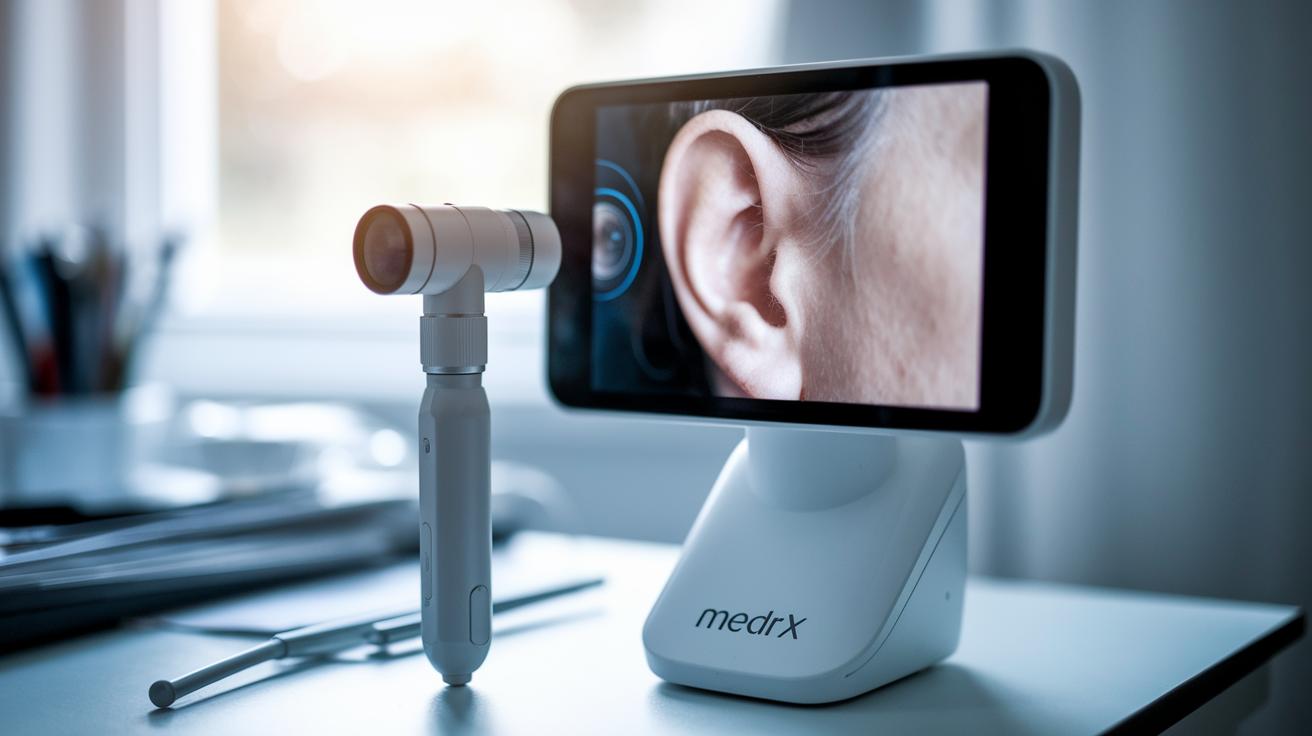
The MedRx video otoscope really stands out when you compare it to other devices available today. It shows images at 2.0 MP resolution, while many others only reach 1.3 MP. Picture this: you look into an ear and see every little detail sharp and clear. One reviewer even said the images felt like watching a high-definition movie of the ear!
| Feature | MedRx Video Otoscope | Alternate Model |
|---|---|---|
| Resolution | 2.0 MP | 1.3 MP |
| Frame Rate | 30 fps | 25 fps |
| Weight | 95 g | 110 g |
| Connectivity | USB-only | Wireless alternatives available |
| Price Range | $300–$750 | $350–$900 |
| Warranty | 1–3 years | 1–3 years |
Many users praise the MedRx because its high-definition imaging helps doctors spot tiny issues with ease. Even though some models are built just to be budget-friendly, the MedRx combines good value with top-quality features and professional accuracy. Doctors also like its small, easy-to-carry design, which is great in any clinical setting. Plus, it comes with handy tools like image annotation and video export that make reviewing patient cases smooth and simple.
If you need a clear, reliable tool, you have to consider both the cost and the features. I once heard a doctor say, "When the image is clear, the diagnosis becomes unmistakable." That really sums up why the MedRx video otoscope keeps earning top marks among ear diagnostic devices.
Clinical and Patient Engagement Benefits of Digital Otoscope Use
Doctors now have a handy tool that turns every ear exam into a clear, high-definition look inside the ear. The MedRx video otoscope helps them see problems like built-up earwax (cerumen impaction) or issues in the middle part of the ear. When patients can look at before and after pictures side by side, it makes the whole treatment process easier to understand and builds trust.
With this easy-to-use viewer, a doctor can quickly point out what they see inside your ear. It almost feels like a little video session that shows details you normally miss in a basic exam. For example, imagine a picture of your ear before and after a cleaning – it really makes the improvements clear and helps you feel better about the treatment.
Plus, the device can save images without any hassle. This means doctors can share the pictures with other experts for a second opinion, which is really helpful. In fact, some clinics say it even cuts down exam time by about 15%. All of this, along with its sharp display, makes it a great tool for doctors even when they are working from a distance. In short, the digital otoscope not only makes explanations simpler but also helps build a closer bond between doctor and patient while boosting the accuracy of diagnoses.
Leveraging Digital Otoscopes for Telemedicine Ear Examinations
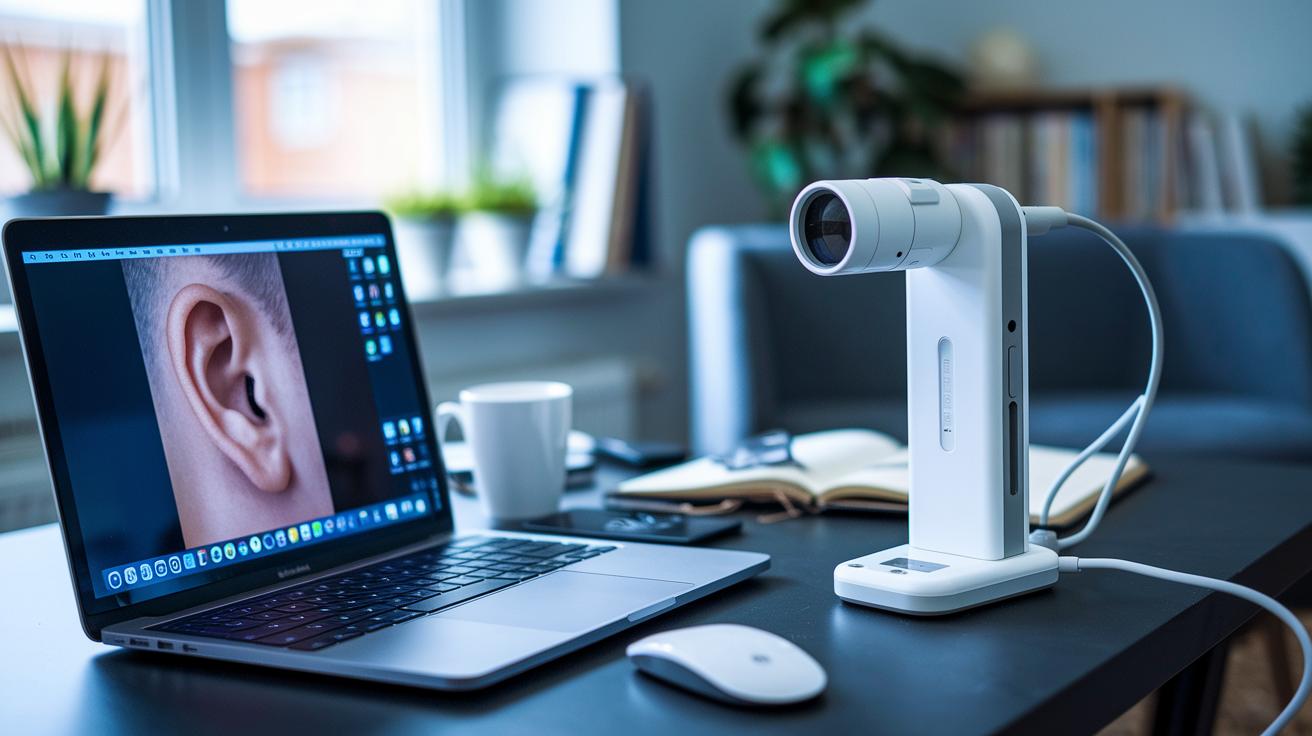
When you have a remote checkup, digital otoscopes really come in handy. Take the MedRx device for example. It plugs into your computer through a USB cable (a simple plug-in connection) and shows a live view of your ear during a video call. One doctor said, "Seeing the live feed feels as if I’m right there with the patient."
There’s also a cool wireless feature that lets you send recorded video clips of your ear quickly to a specialist. All you need is a computer with a USB port. This means doctors can mark up, save, and review your ear images without any fuss.
The process gets even better when special ear analyzer software joins in. It makes it super easy to share videos and pictures with experts, cutting down on waiting. For example, one team compared clinic pictures with those from a patient’s home visit and saw clear progress. In short, this simple setup helps doctors care for you faster and better.
Using these devices in telehealth makes ear exams more interactive and accurate. They bring patients and doctors closer together, no matter the distance, and truly change the way remote checkups work.
Practical Guide: Using and Maintaining Your Digital Otoscope
Setting Up Your Digital Otoscope
First, plug in your digital otoscope using the USB cable and open the AVANT or Studio software. Follow the on-screen steps to install the drivers. Turn the focus knob so you can choose between 4x and 16x magnification and check that the image comes through clearly. You might say, "I plugged in my otoscope, launched the software, and adjusted the focus until I saw all the ear details." This step makes sure your device is ready for your next patient.
Cleaning and Sterilization Protocol
After each exam, gently wipe the tip with a 70% isopropyl alcohol solution. Replace any disposable specula and use sterilizable sheaths when needed. Keep the device stored in a clean, dry spot to avoid any contamination. Think of it like cleaning your kitchen knife before making the next meal, a little care goes a long way.
Troubleshooting Common Issues
Sometimes you might see a connectivity error, the software might shut down unexpectedly, or the image could look off. Often, reinstalling the driver or doing a firmware update can fix it. If the problem sticks around, contact technical support for some guidance. A quick check usually gets your otoscope back on track, so you don't have to face a long downtime.
Key Considerations and Price Analysis for Digital Otoscope Purchases
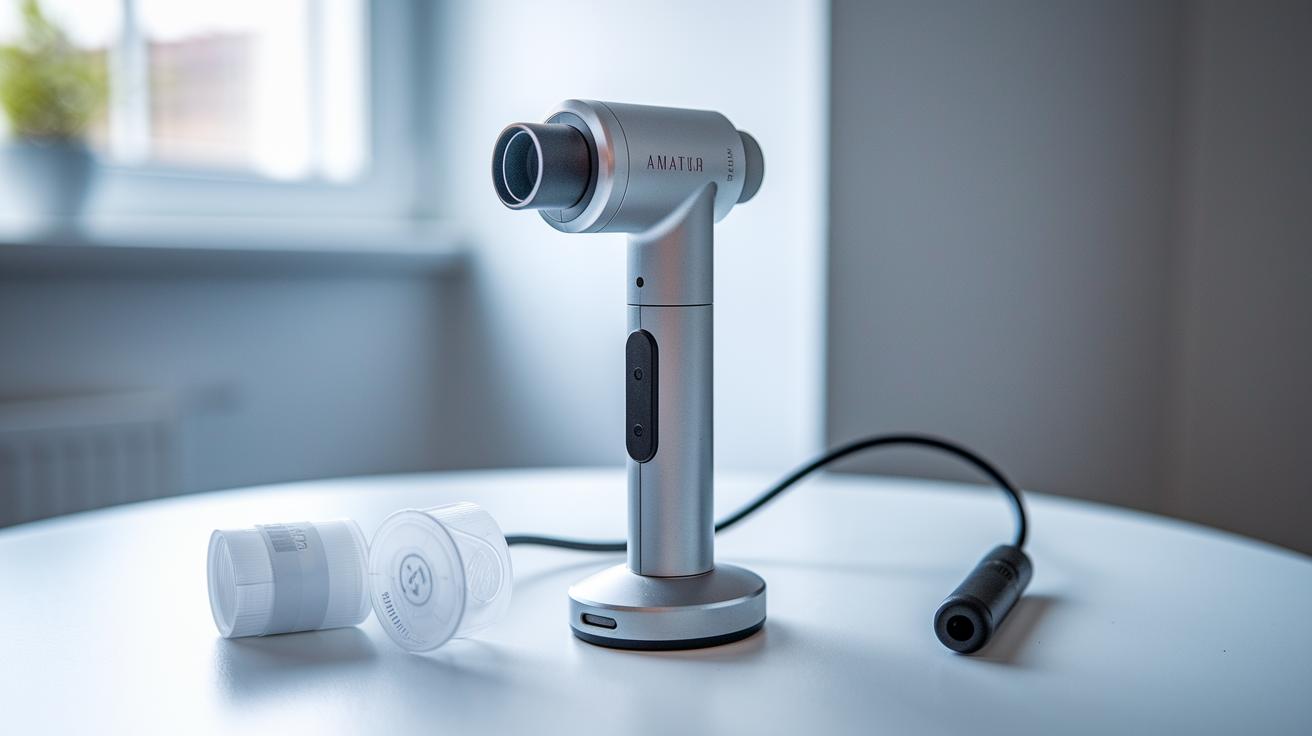
Looking for a digital otoscope that suits your budget and fits your clinical needs? You can get a device that works well without breaking the bank. For example, the MedRx video otoscope starts at about $350 for a basic software setup and goes up to $750 when training and support are included. So, whether you're looking for a budget-friendly option or a top-quality device, there's something for you.
Next, think about how you want to connect your otoscope. Do you lean toward a USB-only model, or would you prefer one with wireless features? Each choice comes with its own set of costs and may affect which accessories you can use. Some models even offer extra items like disposable specula (single-use tips) or a carrying case that can increase the price. A quick tip: list all the add-ons you might need, just like you check items off on a grocery list.
Here are a few key points to keep in mind:
- Consider the overall cost (what you really spend in the long run).
- Compare warranties, usually from 12 to 36 months.
- Factor in extra costs for accessories, such as disposable items.
- Look for trade-show discounts, which can cut the initial price by up to 15%.
| Feature | Detail |
|---|---|
| Price Range | $350 to $750 |
| Warranty | 12 to 36 months |
| Bundle Types | USB-only or Wireless options |
| Accessories | Disposable specula, carrying case |
This guide is designed to help you weigh cost against features, making your decision process clear and simple. Enjoy the journey of finding the right digital otoscope for your practice!
Emerging Innovations and Future Trends in Digital Otoscope Design
Digital otoscopes of the future are really changing how we check ears. These new gadgets use Bluetooth 5.0 (a faster, smoother way for devices to talk to each other) to share data wirelessly. One doctor said switching to wireless felt a bit like moving from a walkie-talkie to high-speed internet.
The image quality is getting a big boost too. New sensors offer up to 4K resolution for super clear views. They also include gyroscopic stabilization, so even when the device moves, the view stays steady. Imagine watching a video that doesn't wobble – it just makes every detail pop.
And there's even more innovation on the way. AI-powered diagnostics are beginning to spot problems automatically using smart, built-in algorithms. These systems can compare what they see with images stored on digital records (EHRs, which are like electronic patient charts). Some designs are even adding augmented reality overlays to guide the exam with extra anatomical details. All these upgrades are set to make ear exams clearer and more effective in the coming years.
Final Words
In the action from technical details to practical advice, we explored digital otoscope technology with clear visuals, easy setup, and dependable performance. We compared models on imaging, design, and price while highlighting how they boost clinical care and telemedicine efficiency. The guide also walked through setup, cleaning steps, and troubleshooting tips so you can keep the device in top shape. It all comes together to show that technology like the digital otoscope can make health care simpler and more accessible. Enjoy the advances ahead!
FAQ
Q: What is a digital otoscope?
A: The digital otoscope is a tool that uses a camera and LED light to capture clear ear images for diagnosis. It helps health professionals check ear health and monitor treatment progress.
Q: How does a digital otoscope with camera and screen work?
A: A digital otoscope with camera and screen captures ear images and displays them instantly on a built-in screen. This lets users view details during an exam without needing an external device.
Q: How do digital otoscopes work for doctors, smartphones, and apps?
A: Digital otoscopes are used by doctors for precise ear checks. Some models connect to smartphones or use dedicated apps, offering real-time viewing and easy image sharing during examinations.
Q: What is the digital otoscope camera model MS450-NTE?
A: The MS450-NTE is a specific model known for its clear imaging, simple USB setup, and bright LED illumination. It is designed to provide detailed views of ear anatomy for diagnostic use.
Q: What is the digital otoscope price range?
A: Digital otoscope prices range from about $350 to $750. The cost depends on features like image quality, software integration for image capture, and connectivity options available on the device.
Q: Can I use my phone as an otoscope?
A: Many digital otoscopes work with smartphones. By linking to an app, your phone can display real-time ear images, making it an easy and portable option for home checks.
Q: What is the best otoscope for home use?
A: The best otoscope for home use offers clear imaging, simple setup, and app integration. It provides a user-friendly way to monitor ear health and spot any early signs of problems.
Q: Can you see an ear infection with an otoscope?
A: A digital otoscope shows detailed views inside the ear, allowing it to highlight signs of an infection such as redness or fluid buildup. This aids in early detection and treatment.


