
Ever wonder if your belly might hide the secret to feeling great? Probiotic foods can give your digestion a little boost and help your body work better. Imagine enjoying a cool, icy treat on a hot day that calms both your body and your mind. Experts say these foods might help keep your system balanced and calm those pesky tummy troubles. In this post, we'll share some probiotic foods that could help you feel better and add a touch of comfort to your daily routine.
Comprehensive Guide to the List of Probiotic Foods
Probiotics are little living helpers in your gut that work to keep your system balanced. They help tame the not-so-good bacteria while boosting the good ones, and they even help get your digestion moving naturally. Some studies say these tiny buddies could ease tummy troubles like irritable bowel syndrome, inflammatory bowel disease, and diarrhea. They might also help soothe skin issues, strengthen your immune system, and keep allergies under control. Think of it like having a smooth, cool drink on a hot day, it just makes you feel better.
Keep in mind that the FDA doesn't closely control probiotic supplements, so there’s no one-size-fits-all rule for how much you should take. A lot of people find that adding a mix of probiotic-rich foods to their meals is the best way to stay balanced. Here are five standout foods known for their friendly benefits to your gut:
- Yogurt, especially the Greek kind made with milk from grass-fed sheep or goats, is loved for its high number of helpful strains like Lactobacillus acidophilus (a type of healthy bacteria).
- Pickled veggies like sauerkraut and kimchi come packed with natural enzymes and live cultures that help your digestion.
- Kombucha is a fermented tea that offers a fizzy, tangy taste along with benefits that support your gut and even help your liver.
- Miso, a tasty Japanese paste made from fermented soybeans, not only jazzes up your food but also brings along live cultures.
- Apple cider vinegar mixes in natural probiotics that might help keep your cholesterol and blood sugar in check, but it's best to enjoy it in moderation.
This guide is here to help you see how simple everyday foods can give your gut a friendly boost. Mixing these probiotic options into your routine can be an easy step towards feeling your best.
Dairy-Based Probiotic Foods Within Your Probiotic Foods List
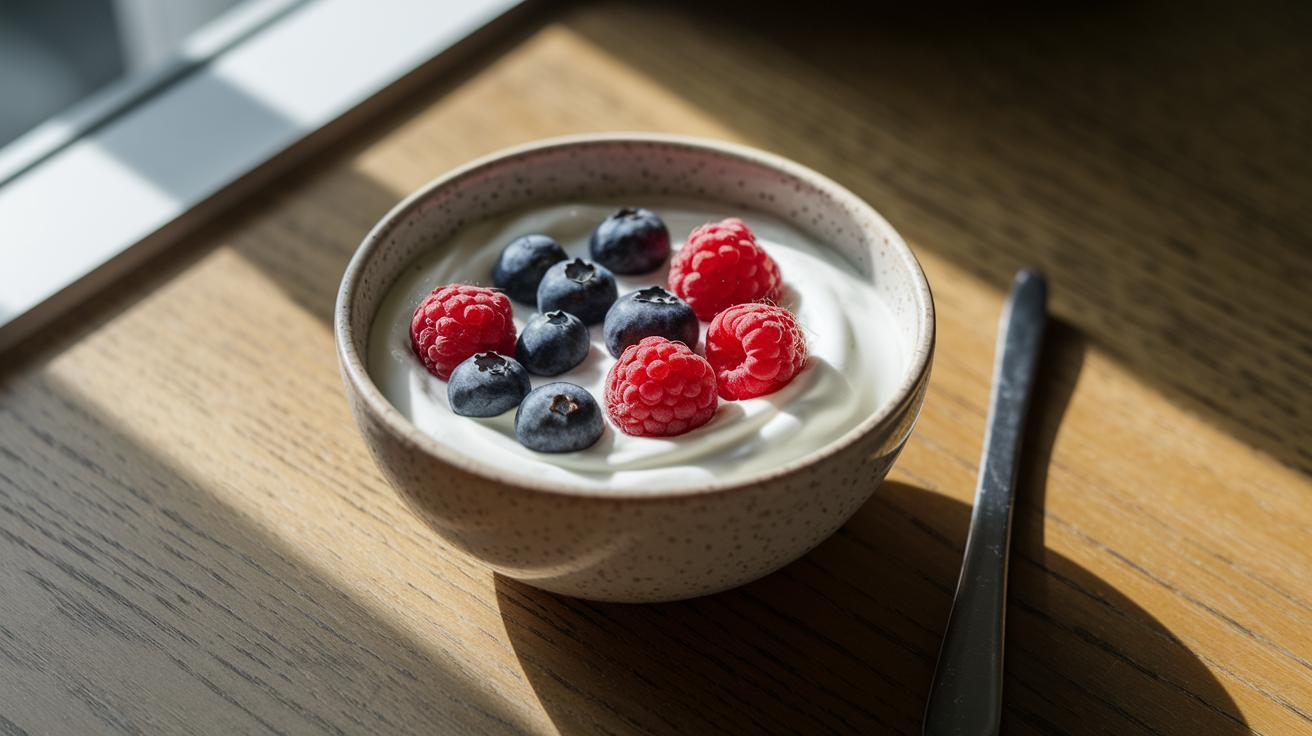
Yogurt is a well-loved food because it’s made by fermenting milk with helpful bacteria like lactic acid bacteria and bifidobacteria (tiny germs that benefit our digestion). For example, strains such as Lactobacillus acidophilus can help your body break down food and absorb nutrients better. Greek yogurt, especially when it comes from grass-fed, organic sheep or goat milk, packs a high number of live cultures. Many people enjoy it on its own or mix it into meals for that extra healthy boost.
Kefir is another standout. It’s a fermented drink made when you add kefir grains to cow’s or goat’s milk. This tangy beverage usually has about three times more good bacteria per serving than regular yogurt. It’s a refreshing way to support your gut and keep your digestion on track.
Traditional buttermilk and certain cheeses can also be great sources of live cultures as long as they’re labeled to show they contain them. These dairy treats bring in essential Lactobacillus and Bifidobacterium strains that help keep your gut flora balanced.
When you’re shopping for dairy-based probiotic foods, try to pick products that list the specific strains and the number of live cultures. Whether you opt for a creamy yogurt or a tangy kefir, these options can easily become part of your daily routine, offering a tasty way to support your digestion and overall gut health.
List of probiotic foods: Fuel Your Wellness
Fermented veggies can really brighten up your meals and help your tummy feel better. Take sauerkraut for example. It’s just cabbage that’s been finely shredded and left to ferment with good bacteria (tiny helpers that aid digestion). This simple process makes acids, enzymes, and live cultures that work to ease digestion. Kimchi is another fun option. This spicy Korean cabbage dish not only adds a tangy kick to your plate but also brings in probiotics, vitamins, and enzymes. Have you ever noticed how a burst of flavor can make you feel energized? Just imagine: starting with the fact, "Kimchi’s change from plain cabbage to a spicy treat makes it a real powerhouse for your gut thanks to its lively, healthy cultures."
Then, there are lacto-fermented pickles. They’re made without vinegar so they keep all their good bacteria intact. These pickles can really give your digestion a boost. Natto is a traditional Japanese soybean dish that has special bacteria (Bacillus subtilis, which helps break down proteins) to support your body. You can use these foods in many ways. Add them to salads, mix them into your favorite recipes, or simply eat them by themselves. Including these tasty foods in your day-to-day meals adds enzymes and builds a diverse gut environment, giving you a delicious way to power your overall well-being.
Probiotic Beverage Options in the List of Probiotic Foods
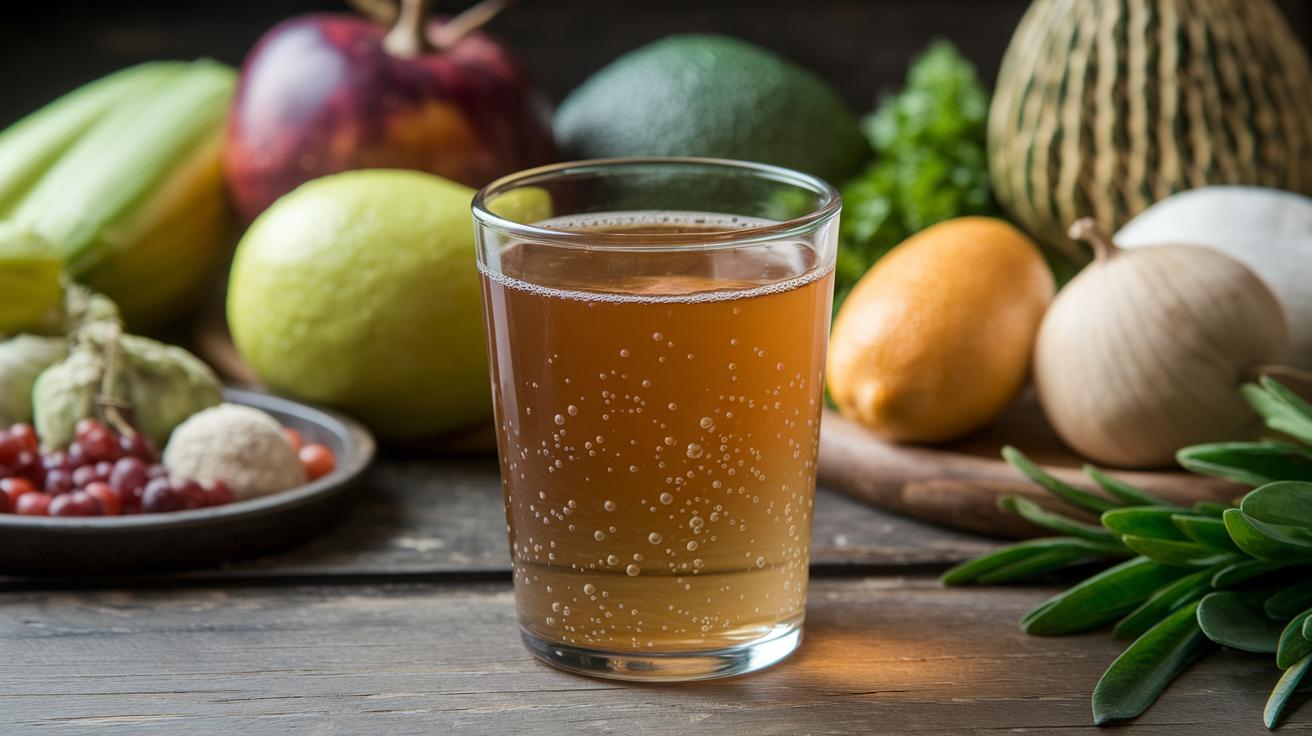
Kombucha is a standout drink here. It starts as plain black or green tea and then gets a magical twist from a SCOBY (a living blend of bacteria and yeast). This process turns the tea into a fizzy, tangy drink that can boost your energy, help your body clean out toxins, and support your digestion. Fun fact: think of kombucha as nature’s own energy drink.
If you’re looking for something dairy-free, try water kefir or kefir water. They are made by fermenting sugar water with a mix of good bacteria and yeast. These drinks offer all the benefits of live cultures while skipping the milk, which can be great if you prefer plant-based options.
Have you ever tried something really out of the ordinary? Traditional kvass is a fermented drink made from grains or beets, and jun is like a honey version of kombucha. Each of these gives you a different mix of live cultures, letting you switch things up for your gut.
Apple cider vinegar, when mixed with water, is another interesting choice. It might help keep your cholesterol, blood pressure, and blood sugar in check if you have it in moderation. But be careful, using too much can end up hurting your teeth and throat.
- Pair these tasty fermented drinks with fibrous snacks to give your gut extra support. Learn more about these nutritional strategies at this link.
Plant-Based Probiotic Picks to Round Out Your Probiotic Foods List
Miso is a Japanese paste made from soybeans, salt, and koji fungus (a helpful mushroom starter). It mixes easily into soups, dressings, or even works great as a spread. It also brings live cultures to your meal, which can help keep your gut happy.
Tempeh is another fun option. It's made by fermenting soybeans into firm, protein-rich cakes. With its nutty taste, it's a delightful addition to stir-fries or salads. Have you ever tasted something that not only satisfies your hunger but also supports your health?
Unpasteurized soy sauce and tamari add a rich, savory flavor boost to your meals. They bring live cultures along with an umami kick to marinades and dipping sauces, helping keep your gut flora in balance. Vegan kimchi, even when made without fish sauce, offers plenty of lactobacillus cultures (the good bacteria) and a spicy twist that works great in bowls or tacos.
Sourdough bread, made through natural fermentation, also supports your gut with wild yeast and lactobacillus. This process gives it that distinct tangy flavor, making it a tasty way to add plant-based probiotics into your daily routine.
- Miso for flavorful soups and dressings
- Tempeh for a protein boost with a nutty taste
- Unpasteurized soy sauce and tamari for that extra umami
- Vegan kimchi for a spicy, probiotic punch
Enjoy these delicious, fermented foods as part of a balanced, plant-based diet and give your gut some extra love.
Final Words
In the action, this post breaks down a clear guide on probiotic foods. It highlights dairy delights like Greek yogurt and kefir, offers tasty fermented vegetables like kimchi, and reviews refreshing beverages like kombucha. Even plant-based picks such as miso add to the mix. The content gives a quick look at probiotic food benefits and smart ways to add live cultures to meals. Enjoy the tips and keep embracing better health outcomes through informed tech adoption in everyday choices.
FAQ
Q: What are the top probiotic foods?
A: The top probiotic foods include dairy options like yogurt and kefir, fermented vegetables such as sauerkraut and kimchi, probiotic beverages like kombucha, and plant-based choices like miso that work to support a balanced gut.
Q: What are the best probiotic fruits?
A: The probiotic fruits usually come from fermented products rather than raw fruits. Although most fresh fruits supply prebiotics (food for good bacteria), fermented fruit items can deliver live cultures, but dairy or vegetable fermentations often yield more probiotics.
Q: What prebiotic foods help boost gut health?
A: The prebiotic foods naturally found in items like bananas, garlic, onions, and leeks help feed healthy gut bacteria, thereby supporting digestion and overall gut balance.
Q: What probiotic foods are popular in Indian cuisine?
A: Popular probiotic Indian foods include curd (yogurt), idli, dosa, and fermented pickles, all of which have been enjoyed for centuries for their natural gut-balancing properties.
Q: Which probiotic vegetables support gut health?
A: Probiotic vegetables like sauerkraut, kimchi, and lacto-fermented pickles provide a rich assortment of beneficial bacteria that help maintain a healthy digestive system.
Q: Which drink is rich in probiotics?
A: Probiotic drinks such as kombucha, water kefir, and certain apple cider vinegar beverages supply a mix of live cultures that work to support and improve digestion.
Q: What are the symptoms that indicate you might need probiotics?
A: The symptoms of needing probiotics include frequent bloating, irregular bowel movements, persistent indigestion, and a reduced immune response, all of which can hint at imbalanced gut bacteria.


