
Ever wonder if a simple spoonful of yogurt could flip your day around? Probiotic foods, like yogurt and kefir, work hard to fill your tummy with tiny helpers that make digestion easier (digestion is how your body breaks down food). Think of your body as a busy workshop where these little creatures keep things running smoothly. Each bite of tangy kefir or crunchy pickle sets these live cultures into action. In this blog, we'll explore how these natural wonders boost your health and keep your digestive system happy.
Probiotic Fermented Foods: Pure Wellness Magic
Probiotic fermented foods come from a natural process. Bacteria and yeasts break down sugars into lactic acid and carbon dioxide. People have been using this method for ages to keep food fresh. These foods naturally form live cultures that help take care of your digestion. Imagine your food as a tiny science lab where friendly microbes are busy at work. Picture a jar of yogurt with little bubbles that show it’s full of life.
The live microbes in these foods add helpful bacteria to your gut. They help break down food and make nutrients easier for your body to absorb. For example, when you eat yogurt or naturally made pickles, you're inviting these friendly bugs to help keep your gut in balance. A steady gut can make digestion easier and even boost your energy. Have you ever noticed that after a cup of kefir your tummy feels calm? That's the gentle magic of these little helpers at work.
Real fermentation happens without extra acid added. This means foods like salt-based pickles keep all their lively cultures, unlike those made with vinegar. When shopping, check the label for "naturally fermented" and look for little bubbles in the jar. Those bubbles tell you that the live cultures are still active.
Probiotic Fermented Foods: Iconic Varieties to Incorporate
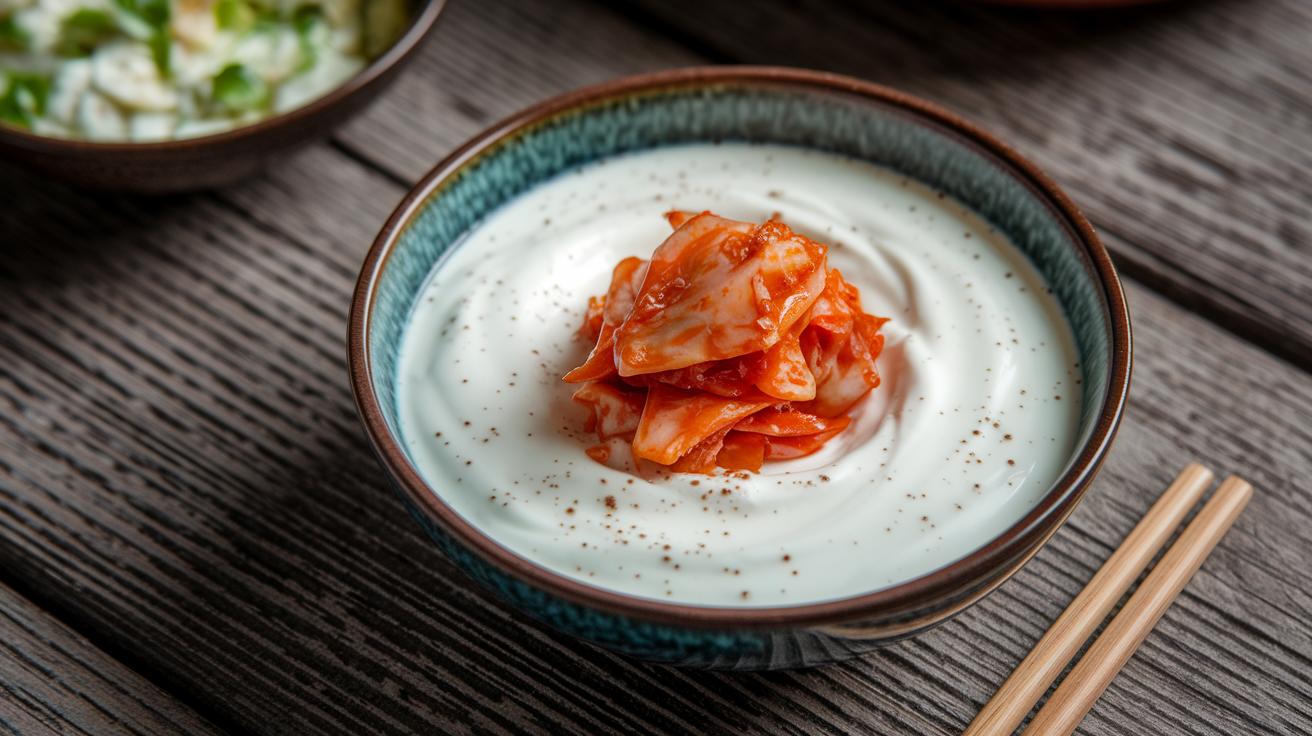
When it comes to dairy, few treats beat yogurt and kefir. Yogurt is made by fermenting milk with lactic acid bacteria and bifidobacteria (friendly germs that help your tummy), and it's a creamy, tasty way to boost your gut. Kefir, made with little clusters called kefir grains, offers a tangy flavor and a smooth feel. Imagine stirring a bowl of fresh yogurt and seeing tiny bubbles that show it's alive.
Fermented vegetables add a burst of flavor and a satisfying crunch. Sauerkraut is shredded cabbage naturally fermented by good bacteria. And kimchi, a spicy Korean dish full of garlic and chili, gives your taste buds a bold kick. Picture a spoonful of kimchi that surprises you with its zesty spice on a cool day.
Legume-based options like tempeh and natto are also great. Tempeh is a firm, fermented soybean cake from Indonesia with a nutty taste, while natto features soybeans enriched with Bacillus subtilis (a helpful bacteria). Imagine biting into tempeh and savoring its warm, earthy flavor.
Kombucha is a refreshing drink made from fermented black or green tea. Its slight fizz and tangy taste make it a popular pick for anyone looking to support digestive balance.
For those who prefer dairy-free options, there are traditional salt-brine pickles and cultured buttermilk varieties. Think of cracking open a jar of crisp pickles that are naturally fermented and bursting with life.
Probiotic Fermented Foods: Mechanisms of Live Culture Enhancement
Natural microbes kick things off by turning sugars into acid. This change helps protect the food naturally without adding any vinegar.
Fermentation wakes up enzymes (tiny helpers in the food) that break down big, complex nutrients into simpler pieces your body can use. Imagine breaking a hard candy into bite-sized chunks; each enzyme makes it easier for your body to get the good stuff like B-vitamins and other key nutrients.
Unlike vinegar pickling that needs extra acid, real fermentation sparks these natural enzymes and live cultures. So, not only do you preserve your food, but you also enjoy extra nutritional benefits from the natural action of microbes and enzymes.
Probiotic Fermented Foods: Step-by-Step DIY Fermentation Recipe

Try this spicy pickled vegetable recipe to give your gut a little boost. It’s super simple. You start with a salty water mix that has chili flakes, garlic, and oregano. Then, you add in some fresh, sliced veggies. Let the jar sit at about 60-70°F for 2-5 days. Soon enough, you’ll notice small bubbles forming. Those bubbles mean the friendly microbes are hard at work, helping your digestion while keeping your gut happy.
- First, clean your jar and all your utensils by rinsing them in boiling water.
- Next, stir in 3-5% salt into some filtered water to make your brine.
- Then, add your sliced vegetables along with a mix of chili, garlic, and oregano into the jar.
- Pour the brine over your veggies, making sure to leave about 1 inch of space at the top.
- Press the vegetables down so they stay fully submerged in the brine.
- Cover the jar with either an airlock lid or just a simple cloth. Let it sit at room temperature for 2 to 5 days.
- When you see active bubbling, it’s time to move the jar to the refrigerator where the temperature should be between 34°F and 40°F.
Watch for those lively bubbles and a tangy, slightly sour smell , both are great signs that your fermentation is on track. If you keep an eye on it and transfer your jar to the fridge at just the right time, you’ll preserve the crisp, fresh bite of your veggies along with their beneficial probiotics. Enjoy your escabeche as a tasty digestive booster, and remember to keep it chilled for the best results!
Probiotic Fermented Foods: Guidelines for Selection and Storage
When you’re picking probiotic fermented foods that aren’t made at home, take a close look at the details on the package. Check for dates like the manufacture date or best-by date to see how fresh it is. For instance, if you see that a yogurt was made on March 10, you know those live cultures are still doing their job. Also, look at the container. Airtight glass jars help protect the live cultures from breaking down.
Try to choose products that list just a few ingredients and few extra additives. If the label only shows milk and live starter cultures, it means the product is simple and packed with benefits.
Make sure you follow the storage tips on the label. Once you open the item, use it within the time they suggest so you get the best results.
Final Words
In the action, this article covered everything from how probiotic fermented foods work to simple recipes you can try at home. We talked about live cultures boosting gut health and why labels like “naturally fermented” are key. We even shared smart tips for choosing and storing products so every bite packs a punch of probiotics. These insights make it easier to add probiotic fermented foods to your routine for a healthier everyday life. Stay curious and enjoy the bite-sized benefits.
FAQ
What are the top probiotic foods?
The top probiotic foods include dairy options like yogurt and kefir, fermented vegetables like kimchi and sauerkraut, and fermented legumes such as tempeh and natto. They support overall digestive well-being.
What prebiotic foods help gut health and how do they differ from probiotics?
Prebiotic foods, like bananas and whole grains, provide fiber that feeds good bacteria, while probiotic foods add live cultures into the system to help maintain a balanced gut.
What probiotic Indian foods are popular?
Probiotic Indian foods often include buttermilk and lassi, along with fermented batters used for idli and dosa. These foods naturally contain live cultures that can support digestive health.
What probiotic fruits are recommended and which fruit is high in probiotics?
Probiotic fruits like apples, berries, and pomegranate offer fiber and nutrients that support gut health. While they don’t carry as many live cultures as dairy or vegetables, they still boost overall gut wellness.
Which food is highest in probiotics?
Naturally fermented yogurt, especially when marked with live active cultures, tends to be among the highest in probiotics, offering a rich supply of beneficial bacteria for a healthier digestive system.
How do probiotic foods benefit gut health?
Probiotic foods benefit gut health by adding live beneficial bacteria that aid digestion, help balance the gut microflora, and support nutrient absorption, leading to improved overall digestive comfort.
What are probiotic vegetables and how can they improve digestion?
Probiotic vegetables such as sauerkraut and kimchi contain naturally developed live cultures that can enhance digestion by supporting a balanced gut environment through traditional fermentation processes.
Is eating fermented food better than taking probiotic supplements?
Eating fermented food provides natural live cultures along with nutritional benefits from whole foods, while probiotics in supplement form offer concentrated doses that some may find easier to track and adjust.
Is Greek yogurt considered a fermented food?
Greek yogurt is indeed a fermented food since its production involves live cultures that convert milk sugars into beneficial acids, naturally supporting a healthy and balanced digestive system.


