
Ever notice your skin breaking out on a hot day and wonder if it might be a heat rash? It may look like just a tiny, red bump, but it can really mess with your comfort.
Here's what happens: sweat gets trapped under your skin and creates these small, itchy rashes. It can feel pretty annoying, especially when you're trying to enjoy a sunny day.
The good news is that once you know what's causing it, you can take quick steps to cool things down and soothe your skin. Understanding how a heat rash is different from other skin irritations means you’ll be ready to grab some fast relief and get back to feeling comfortable.
Understanding Heat Rash vs Other Skin Rashes
Heat rash, sometimes called prickly heat or miliaria (when sweat ducts get clogged), happens when your sweat ducts become blocked or irritated. When sweat gets trapped beneath your skin, it forms small red bumps or even little blisters on areas like your neck, chest, and arms. It can also develop in skin folds such as under your breasts or at your elbow creases. It’s a bit like when a cool compress soothes a burning feeling. Often, letting the skin cool down helps the rash fade away.
Other skin rashes come from different causes like allergies, infections, or too much sun exposure. A sun rash usually shows up on skin that sees direct sunlight and tends to clear up on its own in about 10 to 14 days. There are also rashes that come with scaling, a spread of redness, or even tiny pus spots that burn and itch. Imagine how your skin might react if you switched to a new detergent. That kind of reaction is very different from what happens when sweat gets trapped.
- Heat rash shows up as clusters of small red bumps or pimple-like spots and sometimes tiny blisters.
- It mainly appears in areas where sweat gets stuck, like skin folds and under your arms.
- Other rashes may come with scaling or widespread redness along with pus spots.
- Heat rash is caused by blocked sweat ducts, while other rashes might be triggered by allergens, infections, or too much sun.
- General rashes often lead to stronger itchiness and burning that does not quickly calm down with a cool compress.
It matters to know which rash you have because each one needs a different kind of care. When you can tell if it’s a sweat rash or another type of skin irritation, you can choose a soothing remedy that actually helps instead of making things worse. Knowing exactly what you’re dealing with is key not just for comfort but also for preventing further irritation.
Causes of Heat Rash

Sometimes our sweat ducts get blocked, trapping moisture under the skin. This buildup causes irritation that can turn into small red bumps or blisters. Think of it like a clogged sink where water just collects because it can’t flow away.
Hot and humid days make things even trickier. When the temperature suddenly rises, your skin sweats a lot to help cool you off. But more sweat can mean more blockage in those ducts. Plus, wearing tight or non-breathable clothes adds friction and pressure. Ever stepped out on a sticky day with clothes that just cling? It really puts a strain on your skin.
Newborns and little kids are especially at risk because their sweat glands are still learning the ropes. Their soft skin is more sensitive to friction and blockages. Even older people or those living in warm spots might see these rashes more often. The good news is that switching to loose clothing and using cool compresses can help calm the irritation and prevent the rash from worsening.
skin rash heat rash: quick, calm relief
Have you ever felt a light tingle before noticing clusters of tiny red bumps or little blisters? That’s usually heat rash. It shows up when sweat gets trapped under your skin, and it might feel different depending on where it is – like under your breasts or on your neck.
For quick relief, try these simple tips:
- Cool compress: Wet a cloth with cool water and gently press it on your skin for 5-10 minutes. It eases the burning feeling.
- Loose clothing: Wear light, airy fabrics like cotton so your skin can breathe.
- Topical lotion: A dab of calamine lotion or hydrocortisone cream (a mild steroid cream for soothing skin irritation) can calm the rash.
Sometimes, cooling the skin down really helps. Rather than rubbing the area, try gently patting it with a washcloth. This little change gives your skin some relief while your body slowly reduces sweating.
Home Remedies and Cooling Methods for Heat Rash
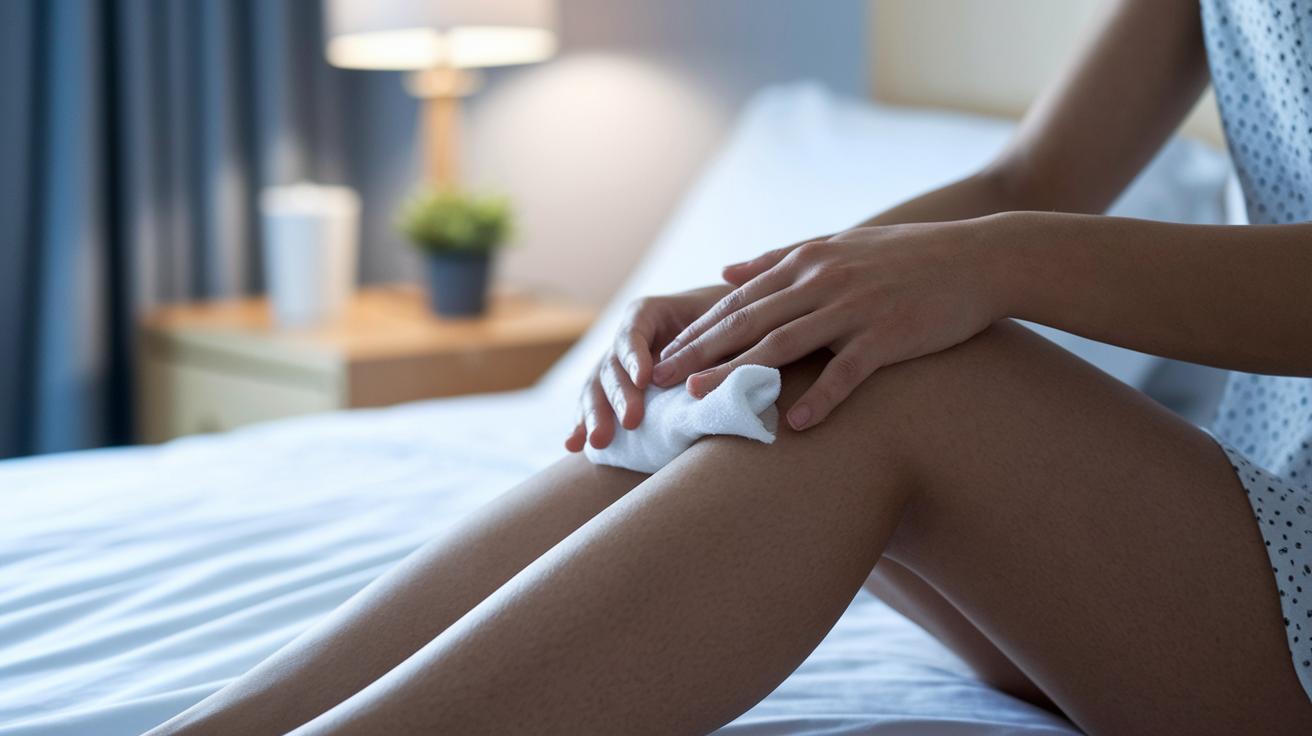
When you get a heat rash, it can feel really irritating. You can often soothe it at home with some simple, cooling steps. One idea is to use a cool compress. Try placing a damp, cool washcloth on the rash for about 5 to 10 minutes. This gentle method helps take the heat away from your skin.
Here are a few more ideas:
- Cool compress: Hold a cool, wet washcloth against the rash for 5 to 10 minutes.
- Cold sponge: Lightly dab the area with cold water; don’t rub, just let the water ease the heat.
- Loose, breathable clothing: Wear fabrics like cotton so air can flow around your skin.
- Calamine lotion or a mild anti-itch cream: Dab a little on the rash to help calm the irritation.
- Cool bath: Try adding some colloidal oatmeal (a gentle oatmeal that soothes the skin) or a pinch of baking soda to a cool bath.
- Rest in a cool place: Stay in an area with good air flow or air conditioning to lower your body temperature.
Always remember to gently pat your skin dry after any of these methods. It’s best not to rub the area harshly. These small changes can make a big difference, giving you quick relief and helping your skin feel better longer.
Preventing Heat Rash in Warm Weather
If your clothes start feeling damp from sweat, change them right away. Pick light, loose fabrics like cotton so your skin can breathe. Imagine trading a soaked shirt for a cool, breezy one when the sun is really strong.
Try to beat the heat indoors by using a fan, air conditioner, or even taking a refreshing cool shower. Also, it helps to avoid being outside during the hottest hours (from 10 a.m. to 2 p.m.). Think about how comforting it is to relax in a cool room after a long, warm day.
Do a bit more to keep your skin protected over time. Drink plenty of cool water and apply a gentle, non-greasy lotion to keep your skin safe from irritation (this helps reduce friction). Picture yourself enjoying a refreshing sip of water on a hot day, helping your body stay cool.
Over-the-Counter Treatments for Heat Rash

First, try some anti-itch solutions. A little 1% hydrocortisone lotion can calm the itch and ease the swelling that comes with heat rash. Calamine sprays and lotions work too, soothing irritated spots and drying off extra moisture. Think of it like a cool compress that immediately cools down your skin.
Next up, consider barrier creams and drying agents. Zinc-oxide creams work by forming a protective layer over your skin so less moisture can get to it. And cooling gels with menthol add a refreshing burst of coolness right where you need it. This combo helps keep the area dry and more comfortable.
Always follow the label instructions. It’s important not to overuse steroid creams, as doing so might thin your skin. Sticking to the guidelines gives your skin the best chance to heal quickly and safely.
When to Seek Professional Care for Heat Rash
If you notice your heat rash spreading quickly, getting worse even after you treat it at home, or showing signs of infection like pus or extra pain, it’s a good idea to see a doctor. Sometimes, when the rash keeps coming back or even blisters, the creams from the store might just not be enough. Your doctor might suggest medicine like prescription corticosteroids (strong cream to reduce swelling) or antibiotics (medicine that fights germs) to help clear things up.
Keep a close eye on your skin. If you’re a baby, an older person, or your body doesn’t fight sickness as well, it’s best to have a board-certified dermatologist (a skin doctor) check it out right away. Their advice is really important if the rash sticks around or pops up again and again. A dermatologist can give you a custom plan that treats the flare-up now and helps prevent future problems. In truth, getting help early can stop bigger issues later on and make sure you get the right care for your skin.
Final Words
In the action, the article broke down how heat rash differs from other skin issues. We explored its causes, clear signs like red bumps and tiny blisters, and shared easy home remedies to cool the skin. It also offered simple tips to help avoid further flare-ups and when to ask for a doctor's advice.
By understanding skin rash heat rash better, you can smoothly handle these pesky skin irritations and keep your health in check.
FAQ
How to get rid of heat rash quickly?
Getting rid of heat rash quickly involves cooling the skin with cool compresses or a cool bath, wearing loose clothes, and staying in a well-ventilated area to help reduce inflammation and discomfort.
What does heat rash on skin look like, and are there pictures?
Heat rash often appears as clusters of red bumps or tiny blisters, sometimes with a prickly feel. Photos typically show small clusters on areas like the neck, chest, and skin folds in adults.
How long does heat rash last?
Heat rash usually lasts until the skin cools down and sweat production decreases. This process can take a few days once the skin is relieved from continued exposure to heat and humidity.
How is heat rash treated, particularly for adults?
Heat rash treatment for adults often includes cooling methods such as compresses, light moisturizers, and over-the-counter lotions to reduce itching, alongside keeping the affected skin area dry and cool.
How can you tell if it’s a heat rash or an allergic reaction?
Telling apart heat rash from an allergic reaction involves noting that heat rash appears in clusters of red bumps in heat-exposed areas, while allergic reactions may cause more widespread swelling, itchiness, or hives not confined to sweaty areas.
What rash can be mistaken for heat rash?
A rash from allergies or mild infections can be mistaken for heat rash. Allergic reactions may show red, swollen areas and hives, which differ from the typical clustered, sweat-induced bumps of heat rash.
Why might someone suddenly get heat rashes?
Sudden heat rashes can occur when blocked sweat ducts trap moisture under the skin during sudden temperature or humidity spikes, especially if tight clothing or skin friction is present, leading to irritation and bumps.


