
Ever wondered if skipping dairy means missing out on a gut boost? Non dairy probiotic foods pack in live cultures (good bacteria that help your digestion) to work their magic. Imagine taking a sip of kombucha or enjoying a tangy bite of sauerkraut, both quietly keeping your belly in balance. Options like kimchi and miso bring a fresh twist to everyday meals while helping your body absorb nutrients and keep your metabolism humming. It’s a savvy, tasty way to show your gut some love.
Key Non-Dairy Probiotic Foods for Optimal Gut Health
Non-dairy probiotic foods are made by fermenting plant ingredients, which introduces friendly live cultures to help your digestion and overall gut function. They support the way your body absorbs nutrients and even help keep your metabolism in check. For anyone avoiding dairy, these foods offer a delicious way to create a healthy gut environment. Plus, they’re simple to mix into your daily meals – whether it’s a snack or a refreshing drink.
- Kombucha – Ever tried kombucha? This fermented tea is made with sugar and a living colony called a SCOBY (a mix of bacteria and yeast) to help keep your tummy happy.
- Kimchi – This spicy Korean side dish blends cabbage, carrots, garlic, ginger, chili, and salt into a zesty, microbe-packed mix.
- Sauerkraut – Shredded cabbage gets slowly brined to develop a sour, tangy flavor along with loads of good bacteria.
- Miso – A savory paste made from fermented soybeans, miso adds a rich, umami taste to soups and dressings.
- Tempeh – This firm cake of pressed soybeans is fermented to boost its protein and add beneficial cultures.
- Sourdough Bread – Made with a natural wild-yeast starter from flour and water, sourdough comes with its own unique tangy punch.
- Lacto-Fermented Pickles – Vegetables turned in a salt brine, giving you a crisp bite along with live cultures.
- Plant-Based Milks & Yogurts – Unpasteurized versions made from soy or almonds carry the live cultures found in traditional dairy.
Together, these non-dairy probiotic options are an easy and tasty way to look after your gut health. Whether you’re a seasoned foodie or just looking for dairy-free alternatives, these choices bring a natural boost to your digestion and overall well-being.
Health Benefits of Plant-Based Fermentation in Non-Dairy Probiotic Foods
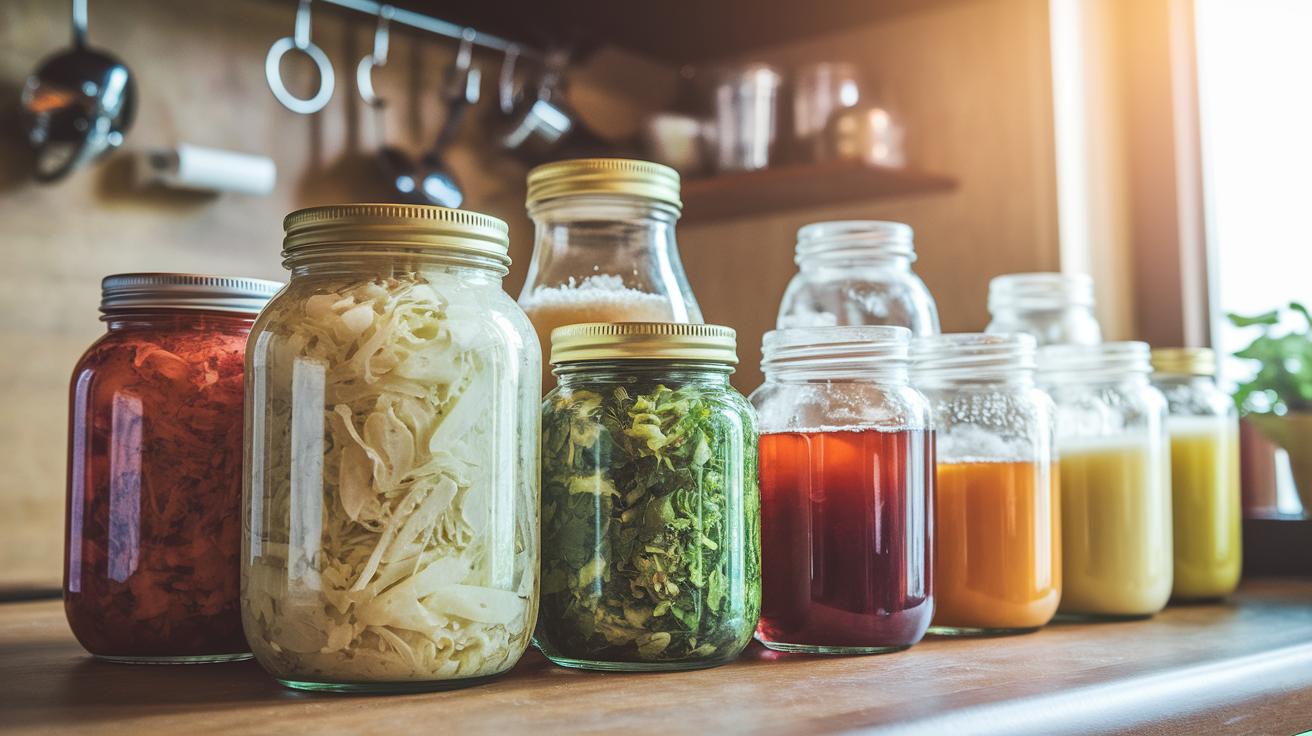
Fermented plant foods are like little kitchens in your gut. They host live bacteria and yeast that help break down your food so you can soak up nutrients easily. Think of them as tiny helpers, working away to make sure your body gets all the good stuff. When you enjoy unpasteurized vegan treats, you're inviting a lively group of microbes that keeps your digestion humming along smoothly.
Research tells us that a balanced gut can lift your mood and sharpen your focus. When beneficial microbes are busy in your tummy, they send simple signals (like brain messages) that might help you feel calmer. I’ve even felt more relaxed on days when I ate these foods. So, choosing non-dairy fermented options not only takes care of your digestion but also nurtures a balanced mind and body.
Tips for Preparing and Adding Non-Dairy Probiotic Foods to Your Diet
Start by choosing fermented products that are top quality. When you’re out shopping, pick items kept in the fridge. This small step makes sure the live cultures stay active and work their magic. Have you ever noticed that fresher foods seem to dance with flavor? That’s the power of live microbes!
- Grab unpasteurized sauerkraut from the refrigerated section so you get a hearty helping of good bacteria.
- Mix your kombucha 1:1 with water or juice. It softens the tang and makes it easier on your taste buds.
- Fold miso into warm broth or sauces (just warm, not boiling) to keep its live cultures safe.
- Marinate tempeh with herbs before baking or grilling. It ups the taste and nutrition.
- Give your sourdough starter a little refresh each week to keep it rising well and buzzing with life.
- Let your vegetables sit in a brine kept between 65 and 75°F for 3 to 5 days. This helps them develop proper lactic fermentation.
- Keep fermented nut milks in jars stored at 38 to 42°F so they maintain their fresh, active cultures.
Try mixing these ideas into your regular meals. Experiment with different combinations and rotate your probiotic snacks. That way, your gut gets to enjoy a wide range of helpful microbes.
Comparing Probiotic Cultures Across Non-Dairy Foods
Plant-based ferments come in a lot of tasty varieties. Soy and almond yogurts work much like regular dairy yogurts by carrying live, friendly germs. Kombucha is brewed with both bacteria and yeast to help keep your gut happy. Kimchi and sauerkraut rely on lactic acid bacteria (good germs that help you digest food) which are great for digestion. Miso and tempeh bring in Bacillus (a kind of bacteria) along with other microbes that give your metabolism a little extra boost. Even sourdough bread has its natural wild yeast and lactic bacteria, proving that plant-based ferments can offer a colorful mix of benefits. Depending on whether you prefer a tangy kick or a smoother, creamier taste, there’s something for everyone.
| Food Item | Culture Type | Probiotic Profile | Serving Suggestion |
|---|---|---|---|
| Kombucha | Bacteria & Yeast | High CFU diversity | 8 oz chilled |
| Kimchi | Lactic Bacteria | Rich in Lactobacillus | 2 Tbsp with meals |
| Sauerkraut | Lactic Bacteria | Moderate CFU | ¼ cup on sandwiches |
| Miso | Bacillus | Moderate–High CFU | 1 tsp in soup |
| Tempeh | Bacillus & Yeast | Moderate CFU | 3 oz cooked |
Choosing the right non-dairy probiotic food often comes down to which friendly microbes you value and the flavors you enjoy. Whether you’re adding zesty kimchi to your meal or enjoying a cool sip of kombucha, these diverse cultures can match your taste and help keep your gut balanced. Every bite is a little step toward a happier, healthier digestive system.
Non dairy probiotic foods: Lively Gut Health Picks
Crafting Kombucha and Cultured Teas
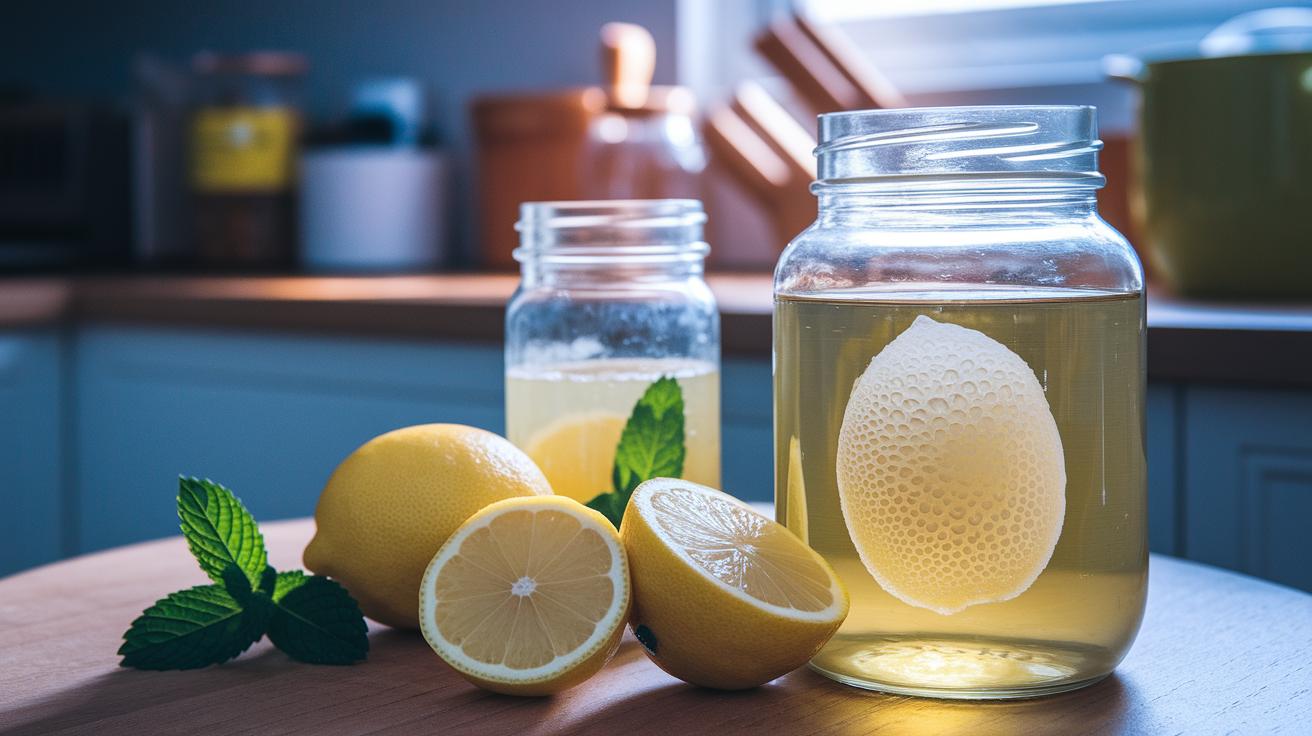
Brew your homemade kombucha by steeping a strong tea with sugar until it cools down. Then, add a SCOBY (a group of live bacteria and yeast) and let it ferment for 7 to 14 days at a cozy 70 to 80°F. Cover the jar with a cloth that lets air in, and if you’re feeling adventurous, try a second fermentation. Mix in a bit of fruit juice or some fresh herbs for an extra zing. For instance, add a splash of lemon and a few mint leaves to create a delightfully refreshing twist. I once did this and noticed a vivid burst of flavor with every sip.
Starter Methods for Vegetable and Grain Ferments
To begin a sourdough starter, mix equal parts water and flour and feed it daily to encourage wild yeasts to grow naturally. For tasty vegetable pickles, slice up your veggies and submerge them in a 2% salt brine, letting them ferment at room temperature for 3 to 5 days until they develop a tangy bite. If you’re interested in making miso or tempeh, start with cooked soy and add starter cultures, then let the mixture ferment in a sealed container at a warm 75 to 85°F for 24 to 48 hours. Each of these home recipes is a fun way to introduce beneficial, lively cultures into your daily diet.
Final Words
In the action, our guide broke down non dairy probiotic foods like kombucha, kimchi, and miso to help improve gut health. We shared handy tips on selecting quality ferments, compared their unique microbial mixes, and even explored DIY techniques for making your own. This quick recap offers real, practical advice so you can feel confident adding these tasty foods to your diet. Enjoy experimenting at home and keep turning everyday meals into small steps toward better health.
FAQ
What are the best non-dairy probiotic foods?
The best non-dairy probiotic foods include kombucha, kimchi, sauerkraut, miso, tempeh, sourdough bread, lacto-fermented pickles, and plant-based milks, all offering live beneficial cultures to support gut health.
How do non-dairy probiotic foods benefit gut health?
The non-dairy probiotic foods benefit gut health by introducing live microbes that aid in digestion, improve nutrient absorption, and help maintain a balanced digestive system.
What vegan probiotic foods can I eat?
The vegan probiotic foods you can eat include kombucha, plant-based yogurts with live cultures, kimchi, miso, and tempeh, each providing natural microbes that enhance digestion.
How do I get probiotics if I am dairy free?
The dairy-free probiotic options rely on fermented plant foods like kombucha, miso, and lacto-fermented vegetables, ensuring you receive natural live cultures without dairy ingredients.
What’s the best non-dairy probiotic?
The best non-dairy probiotic often comes from whole food sources such as kombucha, valued for its blend of bacteria and yeast, which supports a diverse and balanced gut environment.
What is the most powerful natural probiotic?
The most powerful natural probiotic is frequently seen in kombucha because it offers a rich variety of bacteria and yeast strains that support robust digestive health.
Is there a dairy-free probiotic option available?
The dairy-free probiotic options can be found in various plant-based fermented foods like tempeh, sauerkraut, and unpasteurized soy or almond yogurts, each packed with beneficial cultures.
What role do prebiotic foods play with non-dairy probiotics?
The prebiotic foods work by feeding the good bacteria from non-dairy probiotic sources, boosting their effectiveness and promoting a healthy, balanced digestive system.


