
Have you ever looked in the mirror and noticed a few red spots? They can appear as tiny clusters or small patches and might be a sign that something else is happening under your skin.
In this article, I'm sharing some simple clues about what might be causing these marks. We’ll talk about everyday triggers like allergies, heat, or infections (germs that can cause sickness). Have you ever wondered if your skin could be trying to tell you something? Keep reading, and let’s explore how to care for your skin in a way that feels natural and easy.
Understanding the causes of red spots on skin
Have you ever noticed red spots on your skin? They can show up as tiny patches, small clusters, or even larger areas. Sometimes a change in the weather or using a new product can trigger them.
There are lots of reasons why these spots might appear. Some come from your skin getting inflamed, while others might be caused by infections or long-term conditions. For example, a heat rash in the summer is usually harmless, but it can sometimes hint at something more serious.
Here are some common causes:
- Allergic reactions to food, pollen, cosmetics, or detergents
- Skin issues like eczema, psoriasis, rosacea, keratosis pilaris (tiny bumps on the skin), or pityriasis rosea (a kind of rash)
- Viral infections such as chickenpox, measles, or roseola
- Bacterial infections like impetigo
- Fungal infections such as ringworm or tinea versicolor (a mild skin fungus)
- Environmental factors like heat rash, sunburn, or stress-related hives
- Reactions to medications or chemical irritants
- Cancerous spots found in basal cell carcinoma, squamous cell carcinoma, or melanoma
It's important to watch your skin. If the spots start growing, change how they look, or cause discomfort, it might be time to see a specialist. Keeping a close eye helps you catch any changes early. And if you're really worried, getting a professional skin exam can help pinpoint the cause.
Allergic reactions and contact dermatitis triggers for red spots

Allergic contact dermatitis happens when your immune system reacts to things like certain foods, pollen, or makeup. This reaction leaves your skin red and sometimes itchy. On the flip side, irritant contact dermatitis occurs when your skin is repeatedly hit by harsh detergents, strong soaps, or acids that damage it directly without an immune reaction.
Everyday products can set off these reactions. For example, the ingredients in laundry detergents, preservatives, or perfumes in skincare items might irritate your skin or cause an allergic response. You might notice red patches or little bumps that become uncomfortable after using some cosmetics or when you come into contact with things like food or pollen. It can look different on everyone, so if you think a particular substance is causing your issues, you might want to check out the Self symptom assessment guide to see if it helps pinpoint the problem.
A doctor can also help you figure this out. They might perform a patch test, which is where they put a small amount of a potential allergen on your skin. This simple test is a quick way to see which substance might be triggering your reaction.
Common dermatologic conditions causing red dermal patches
A lot of skin problems show up as red patches and bumps without an infection behind them. They often happen because your body overreacts, sometimes due to genes or an overly active immune system.
Atopic dermatitis, which many people call eczema, is a long-lasting condition that tends to run in families. It can flare up when you come into contact with certain allergens or when your skin loses its moisture. During these flare-ups, you might see red, irritated spots that feel rough and scaly.
Psoriasis works a bit differently. It speeds up how quickly your skin cells grow, causing red, scaly patches to build up. These patches can be thick in some areas, and you might notice them on your elbows, knees, or scalp. The rapid cell growth makes the marks very obvious.
Rosacea usually gives you constant or occasional redness on your face, along with small bumps that look a bit like pimples. Things like hot drinks, spicy foods, or even stress can lead to bursts of flushing, leaving your face looking noticeably red or blotchy.
Keratosis pilaris appears as tiny, rough bumps on the skin because extra keratin (a type of protein) blocks your hair follicles. Meanwhile, pityriasis rosea starts with a larger patch, which then is followed by smaller spots.
Infections causing red spots: viral, bacterial, and fungal eruptions
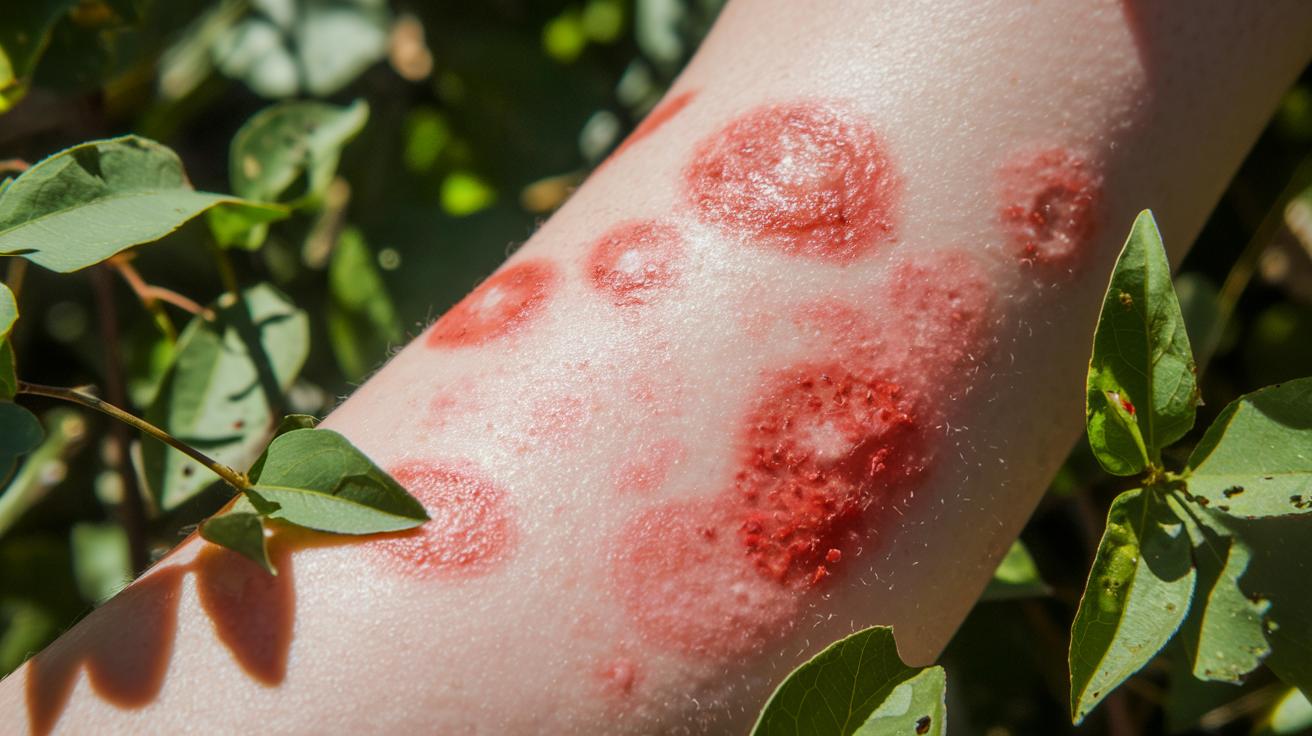
When red spots appear on your skin, it might be due to an infection. Viruses, bacteria, and fungi all have their own way of showing up. Sometimes a virus brings tiny blisters that later harden into a crust. Other times, bacteria cause sticky, honey-colored bumps. And with fungi, you could get ring-shaped red patches with raised edges. It’s pretty neat how each one gives you its own signal.
| Infection Type | Causative Agent | Key Rash Features |
|---|---|---|
| Viral | Chickenpox | Small blisters that later form a crust |
| Viral | Pityriasis rosea | A large patch (called a herald patch) and smaller oval spots |
| Bacterial | Impetigo | Sticky bumps with a honey-like crust |
| Fungal | Ringworm | Ring-shaped red patches with raised edges |
Figuring out what’s causing the red spots really helps when picking a treatment. For viral infections like chickenpox or pityriasis rosea, your body usually handles them on its own with lots of rest and fluids. Bacterial ones, like impetigo, often need antibiotics to clear up the rash. And fungal cases such as ringworm are best treated with creams or sometimes even pills. Spotting the early signs and getting help from a doctor is key to stopping the infection from getting worse and helping your skin heal faster.
Environmental and lifestyle factors behind erythematous blemishes
Sometimes you notice red spots on your skin that aren't caused by an infection or allergy. Things like the weather, everyday stress, and even your body's need for proper nutrients can change how your skin looks.
Hot weather and too much sunshine can set off clear reactions in your skin. For example, on a steamy day, clogged sweat ducts might cause a heat rash that fades once you cool off. And spending too long in the sun can give you a painful sunburn that leaves your skin red and sore for a few days, while also bumping up the risk of skin cancer. These signs remind us that what happens outside really affects our skin.
Daily life and changes in your body also play a part. Stress might bring on quick red bumps that disappear in a few hours, and shifting hormones during pregnancy or your period can cause short bursts of redness. Even if you don’t get enough vitamins like B12 or C, your skin can turn dry and more likely to show red marks. All of this tells us that keeping a balanced daily routine and a healthy diet can help keep those red spots in check.
Arthropod bites and insect reactions causing red spots
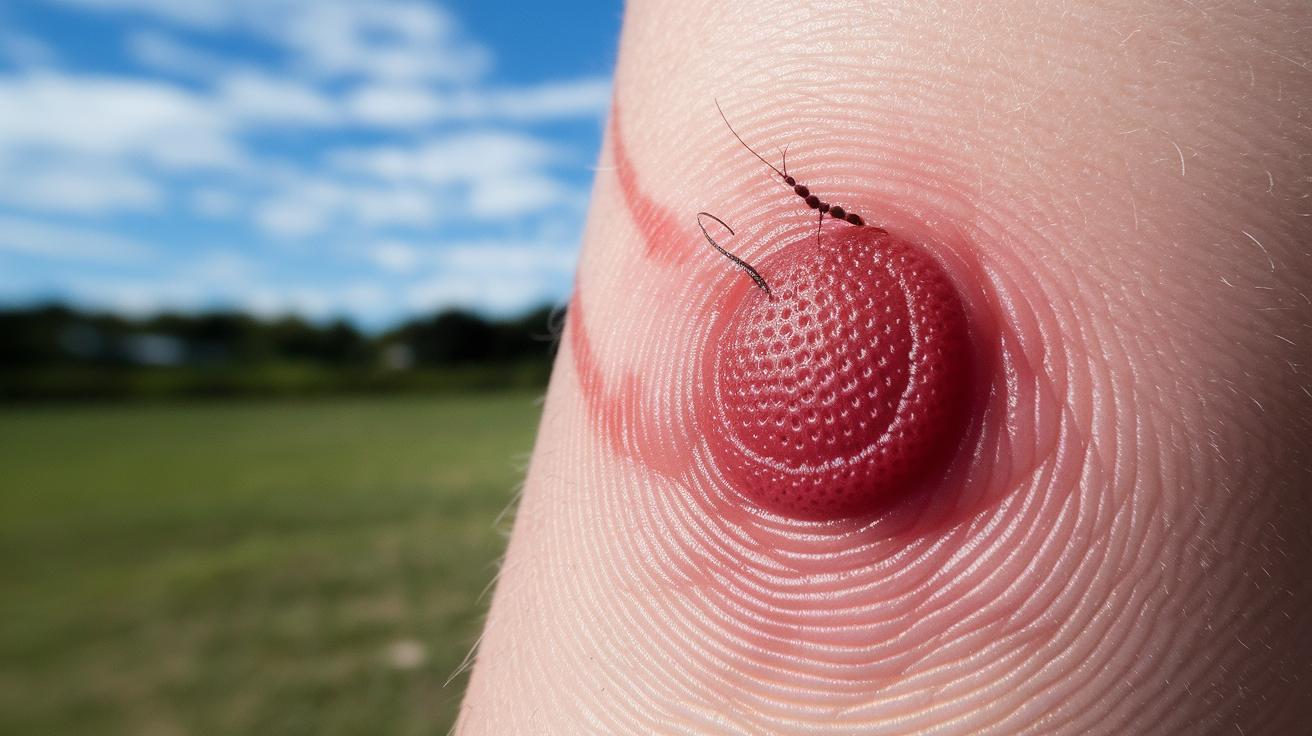
When little bugs bite, they can leave red spots on your skin. These bites can react differently depending on the insect.
Mosquito bites usually show up as single, itchy red bumps or clusters of them. Bed bug bites often appear in a neat line, like someone ate breakfast, lunch, and dinner right in a row. Flea bites often happen around your ankles and can be very itchy, popping up fast. Tick bites might turn into a target-like red spot called a bull’s-eye (erythema migrans, which can be a warning sign of Lyme disease). And if you get stung by a bee or wasp, you’ll see red welts right away, with the chance of the reaction spreading a bit.
If you see a lot of swelling, have trouble breathing, or notice the red spots growing bigger or spreading, don’t wait to get help. Also watch out for signs of infection, like pus or extra warmth around the bite area.
Serious systemic and malignant conditions presenting as red spots
Autoimmune conditions like lupus can show up on your face as a butterfly-shaped rash. It makes your skin extra sensitive to sunlight and can really change how you feel when you’re out in the sun.
Vasculitis happens when your blood vessels get inflamed. This can lead to small, raised purple or red bumps (palpable purpura) and even tiny spots known as petechiae (little marks from broken blood vessels). These signs might mean there's more going on in your body than just a skin issue.
Petechiae are those tiny red, purple, or brown spots that appear when small blood vessels break. They can be a clue that you might have platelet problems (cells that help your blood clot), an infection, or even a vitamin C deficiency. If you notice them popping up quickly or spreading around, it could signal that your blood isn't clotting as it should. Keep an eye out for other symptoms like easy bruising or feeling unusually tired, and consider chatting with your doctor to get to the bottom of it.
Basal cell carcinoma often starts as a small, pearly red bump with little blood vessels you can see right on the surface. As it progresses, it might turn into a sore or an open spot.
Squamous cell carcinoma usually begins as a scaly red patch that might bleed even with a light bump. Any changes in its size or texture should be taken seriously.
Melanoma, which is the most serious of these conditions, tends to appear as an uneven spot with different colors and irregular borders. Notice how it looks? If it changes over time, that’s a major warning sign you shouldn’t ignore.
Final Words
In the action, this article broke down a mix of factors that lead to red spots on skin. It covered allergic reactions, skin conditions, infections, environmental triggers, insect bites, and even serious systemic causes.
We hope this clear look helps you keep track of symptoms and know when to get professional advice. Keep in mind that understanding the causes of red spots on skin can be a big step toward better everyday health outcomes. Stay mindful and positive.
FAQ
Pictures of red spots on skin
The pictures of red spots on skin show a range of appearances from small, flat marks to raised patches. They may result from allergies, irritation, or mild skin conditions.
Red spots on skin not itchy
Red spots on skin not itchy usually indicate a mild reaction or irritation. They often disappear on their own, but persisting spots should be evaluated to rule out underlying conditions.
Flat red spots on skin
Flat red spots on skin describe discoloration that may stem from minor inflammation or irritation. They can be linked to allergic responses or mild infections and often require no treatment.
Itchy red spots on skin
Itchy red spots on skin suggest an immune response or irritation. They might come from allergens, insect bites, or skin conditions, and managing the itch can help improve comfort.
Tiny red spots on skin
Tiny red spots on skin often appear due to slight inflammation or a minor allergic reaction. They generally fade quickly, but keep an eye on them in case they persist or worsen.
Pictures of skin rashes
Pictures of skin rashes highlight varying textures and patterns seen in conditions like eczema or dermatitis. These images are helpful for visual clues, though a professional is needed for a true diagnosis.
Small red dots on skin itchy
Small red dots on skin that are itchy may be part of a mild allergic reaction or contact irritation. The itch indicates your skin is reacting, and simple care may help ease the discomfort.
Tiny pinpoint red dots on skin
Tiny pinpoint red dots on skin show possible minor capillary leaks or a light reaction to irritation. They are generally harmless, but if they persist it might be wise to have them checked.
Should I worry about little red dots?
The concern over little red dots depends on factors like duration and other symptoms. If the spots change or worsen, it’s a good idea to consult a health professional for a closer look.
What blood disorders cause red spots?
Certain blood disorders, especially those affecting platelets, can lead to red spots on the skin. These spots, known as petechiae, may signal clotting issues that need further blood tests.
What vitamin deficiency causes red spots on skin?
A vitamin deficiency, especially low vitamin C, can cause red spots on skin by weakening blood vessel walls. This can lead to minor bleeding under the skin and should be addressed with proper nutrition.
What do blood spots on the skin look like?
Blood spots on the skin typically appear as small, dark red marks caused by minor bleeding. They can vary in size and might indicate an underlying issue if they continue to change over time.


