
Ever thought that simple food choices might brighten your entire day? Imagine a plate filled with fresh fruits, lean proteins, whole grains, and a little dairy working together to give you energy all day long. Eating a balanced diet is not just about filling up your stomach. It can change how you feel by boosting your energy, clearing your mind, and keeping you strong. So, why not try choosing wholesome foods and feel that natural boost for yourself?
Balanced Diet Fundamentals for Healthy Living
When we talk about a balanced diet, think of it like this: fill half your plate with fruits and veggies, one quarter with lean proteins (like beans, fish, or lean meats), and the final quarter with whole grains. Just picture it, a plate bursting with bright colors, a good helping of protein to build muscles, and grains that help keep you full.
Every day, our bodies need the right fuel. Fresh fruits and veggies give you vitamins, minerals, and fiber, while proteins work hard to repair and build your tissues. Mixing up your food groups means you don’t miss any of the good stuff. And hey, have you ever tried paying attention to when you’re really hungry? That’s called intuitive eating. Whole grains, dairy (stuff like calcium for strong bones), and even the occasional treat all work together to keep your energy steady.
Back in the day, we had the food pyramid with lots of grains at the bottom and smaller piles of fruits, veggies, dairy, and proteins on top. Now, thanks to modern nutrition science, we know that balanced eating is all about tuning into your body’s signals while enjoying a varied diet that fits your personal needs.
Essential Food Groups and Portion Control Techniques for Balanced Diet and Healthy Living
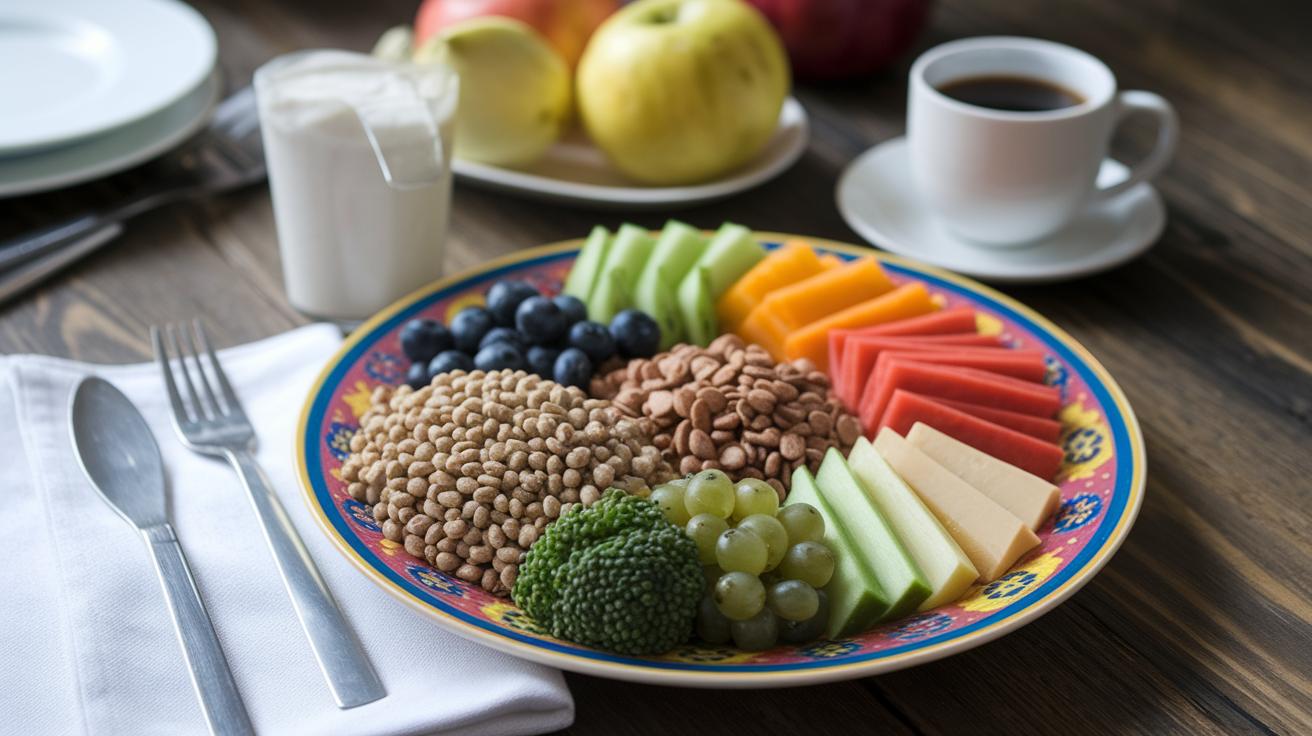
Fruits and vegetables give us a burst of energy. They pack plenty of vitamins, minerals, and fiber to keep our bodies in top shape. Think of them as a splash of color and crisp crunch in your meals that fuels your day naturally. Whole grains, like brown rice and whole wheat bread, deliver complex carbohydrates (a type of slow-burning fuel) so you stay fuller longer. Dairy products such as low-fat milk or yogurt add calcium (a key nutrient for strong bones) and vitamin D, making your meals creamy and nutritious.
Proteins from both animals and plants are important for fixing and building muscles after a busy day. When you mix these with healthy fats from olive oil or nuts, your meals keep your energy steady without a crash. The plate method is a simple trick for balanced eating: fill half your plate with fruits and veggies, and split the rest equally between proteins and grains. This method makes meal planning fun, helps avoid overeating, and ensures you get all the good stuff your body needs.
Here are a few ideas to keep your portions in check:
| Tip | How It Helps |
|---|---|
| Use smaller plates | They make your servings look bigger |
| Pre-measure portions | You stay aware of how much you’re eating |
| Stick to the plate method | Keeps meals simple and balanced |
| Read nutrition labels | Helps you track serving sizes and calories |
| Eat slowly | Stop when you’re satisfied, not stuffed |
Meal timing is also important when it comes to keeping your weight in check. Studies show that eating dinner too late might add extra pounds because your body digests food differently at night. Try to sit down for dinner at regular times and steer clear of heavy meals late in the evening. This simple step helps your body use the energy from food well while keeping your weight steady.
balanced diet and healthy living: Embrace Pure Energy
Meal planning is a real game changer if you want to fill your day with pure energy. Try setting aside one day each week to prep your meals with good containers and a clear plan. Maybe you even call it Together Tuesdays, a fun time to whip up quick meals with family or friends. It not only makes cooking easier but also gives you a chance to connect with loved ones. And when you plan around fresh, unprocessed foods, you're essentially sipping nature's best.
Taking a whole foods approach means choosing fruits, veggies, and grains that are in season, bursting with flavor and nutrients. Keep an eye on those labels (they help you spot sugar, sodium, and other hidden ingredients). I like to mix different colors on my plate every day like I’m ticking off a simple checklist of healthy choices. Honest labels help you make smart choices that really fit your life.
Here are some easy cooking techniques to try:
- Steam your food to keep all the good nutrients.
- Roast veggies with just a little oil.
- Grill lean meat and fish for that tasty, smoky flavor.
- Sauté with a tiny bit of heart-healthy oil.
- Use a slow cooker for soft, flavorful dishes.
- Stir-fry fresh, crisp veggies for a fun crunch.
Mindful shopping can really round out your approach. When you're at the store, take a moment to read the labels and pick natural ingredients. And when you sit down to eat, listen to your hunger cues, savor each bite, and enjoy your journey toward a healthy, energetic life.
Incorporating Heart-Healthy Recipes and Nutrient-Dense Ingredients in Balanced Diet and Healthy Living

When you think about a great meal, it's not just about counting calories; it's about choosing foods that keep your heart strong and your spirit upbeat. Using olive or canola oil can really give your recipes a healthy twist without compromising on taste. Here are some tasty recipes that pack both flavor and nutrition:
- Simplest Squash Salad
- Texas Caviar
- Spinach Salad with Orange Vinaigrette
- Black-Eyed Pea, Corn, and Rice Salad
Switching out less healthy fats for olive or canola oil can give every dish a boost. These oils help reduce bad fats and pack in antioxidants (those little helpers that protect your body). Think of your kitchen as a place for smart swaps. A dash over your greens or a light sauté for your veggies could turn an ordinary dish into something truly heart-smart.
Cutting back on sugar and salt can clear up your taste buds and reduce risks linked to high blood pressure and other heart concerns. Instead of piling on extra sugar, try relying on the natural sweetness of seasonal produce and the full flavor of fresh herbs. Sometimes, keeping it simple lets the real taste of your ingredients shine through. Simple changes like these can support your overall health and keep you feeling energetic every day.
Active Lifestyle Nutrition and Diet-Exercise Synergy for Balanced Diet and Healthy Living
A balanced diet is the starting point for a busy, active day. Carbohydrates (sugars that give you quick energy) kick off your workouts and help keep your energy steady. Protein steps in afterwards to repair your muscles, and healthy fats provide long-lasting fuel when you’re out and about. Drinking plenty of water is simple but really important, it helps your body recover and keeps you performing at your best. It’s like giving your body the perfect fuel so you feel ready for your next challenge.
Meal timing also plays a big role in keeping your weight in check and boosting your workout benefits. When you plan your meals and snacks around your exercise routine, you manage your energy levels and can even avoid extra weight gain. Here are a few simple tips for timing your meals with your physical activities:
- Eat a light snack about 30 minutes before exercise to boost your energy.
- Enjoy a balanced meal within 2 hours after your workout to help your muscles recover.
- Try not to have heavy dinners late at night so your body can digest properly.
When smart eating meets a well-planned workout, the combo really works for you. Paying attention to meal timing not only boosts your performance but also helps you maintain a healthy weight. This way, every workout counts and keeps your energy high so you can truly enjoy a lively, active lifestyle.
Managing Chronic Conditions Through Balanced Diet Patterns and Healthy Living

Changing up your eating habits can really help when you have conditions like high blood pressure or high cholesterol. Instead of going over the basic advice of enjoying fruits, vegetables, and whole grains, let’s talk about how antioxidants from bright, colorful produce (natural helpers that protect your cells) and low-sodium foods work together to keep your heart healthy.
Mixing these focused tips with regular meal times and mindful portions can meet your unique needs. This plan suggests using low-sodium foods and upping your soluble fiber intake (think oats and beans that can help lower cholesterol) without just repeating the basics anyone already knows.
- Choose foods low in salt to help keep your blood pressure in check.
- Boost your meals with soluble fiber to support lowering cholesterol.
- Include a variety of colorful fruits and veggies for a natural cell boost.
- Keep a steady eating schedule with controlled portions to manage your condition effectively.
Sticking with these changes over time builds a solid foundation for managing chronic conditions while keeping your overall health on track.
Final Words
In the action, we explored how a balanced mix of fruits, veggies, lean proteins, and whole grains supports our health every day. We broke down portion control and meal planning, touched on heart-smart recipes, and even shared tips for syncing nutrition with an active lifestyle. Our guide also shed light on smart choices for managing chronic conditions with food. All this ties into a balanced diet and healthy living that makes each day brighter and full of promise. Enjoy every bite!
FAQ
Q: What does a balanced diet chart and food list include?
A: The balanced diet chart and food list include portions for fruits, vegetables, lean proteins, whole grains, and dairy. They guide you on what to eat to get the nutrients essential for energy and overall health.
Q: What is a healthy diet plan and a 7-day healthy eating plan?
A: The healthy diet plan and 7-day healthy eating plan organize your meals into balanced portions. They include nutrient-rich foods and planned snacks to help keep your energy steady throughout the week.
Q: How do you define a balanced diet with an example, and why is it important for healthy living?
A: The balanced diet is defined by filling half your plate with fruits and vegetables, a quarter with proteins, and a quarter with grains. This mix supports energy needs and helps prevent gaps in vital nutrients.
Q: What are 20 benefits of healthy eating?
A: The 20 benefits of healthy eating range from improved immunity and better energy to clearer skin and stronger bones. These benefits also help reduce the risk of chronic diseases while boosting overall well-being.
Q: What are healthy foods to eat everyday?
A: Healthy foods to eat everyday include fresh fruits, crisp vegetables, lean proteins, whole grains, and low-fat dairy. These options provide essential vitamins, minerals, and fiber to support your daily routines.
Q: What is the 3-3-3 rule diet?
A: The 3-3-3 rule diet promotes balance by dividing meals into three parts with a mix of key food groups. It helps guide portion control and keeps your energy levels steady throughout the day.
Q: What is the best diet for healthy living?
A: The best diet for healthy living is one that combines variety, balance, and moderation with whole, unprocessed foods. It’s designed to supply all essential nutrients while suiting your taste and lifestyle.


