
Ever thought that your favorite yogurt might be doing more than just tasting good? It could actually be helping your body fight off unwelcome invaders. Probiotic foods add friendly bacteria to your gut, teaming up with your immune cells (the body’s natural defenders) to keep you healthy. Picture a small, supportive team in your belly, always ready to stand guard. Research shows that simple choices, like adding a bit of sauerkraut to your meal or sipping some kefir, may help keep inflammation low and your defenses high. This article dives into how everyday foods can give your health a real boost.
How Probiotic Foods Support Your Immune System
Probiotic foods contain live cultures like Lactobacillus bulgaricus and Streptococcus thermophilus (good bacteria that help your body). These friendly bugs settle in your gut and work with your immune cells, such as T-cells and macrophages (cells that fight off germs). They ease inflammation and protect your body's natural barriers. It's a bit like tending a garden, each little microbe is a seed that helps everything grow strong. Fun fact: Long before they were hailed as a major breakthrough, researchers noticed that even small amounts of these cultures could lower the risk of catching upper-respiratory infections.
When you eat yogurt, kefir, sauerkraut, kimchi, miso, or kombucha, you're helping your immune system get stronger. Research tells us that a regular dose of these fermented foods keeps your gut flora balanced, which means your body can clear out harmful invaders faster. A steady gut makes your defense team work better, so even a spoonful of yogurt or a cup of kombucha can give you a boost when you need it most.
Studies show that a well-balanced gut helps keep inflammation in check and speeds up the process of getting rid of dangerous germs. By including these probiotic foods in your everyday meals, you're giving your body a natural lift. In the long run, these simple choices can help keep you feeling healthy and ready to take on whatever comes your way.
Essential Probiotic Foods to Boost Immune Defense

Yogurt is a timeless go-to for boosting your immune system. It usually says it has five or more live cultures (tiny living bacteria) on the label, and studies show these cultures help strengthen your gut barrier. Did you know that people who eat yogurt regularly might have fewer small infections?
Kefir is a bit different from regular yogurt because it has more types of friendly bacteria. Its natural fermentation breaks down lactose, which makes it easier to digest. One study even showed that kefir might boost the signals your immune system sends out. Think of it as a tangy little reset for your gut.
Sauerkraut is made from shredded raw cabbage with a pinch of sea salt, bringing in a helpful bug called Lactobacillus plantarum (a type of good bacteria). Early research suggests that its natural enzymes support your body's defense by boosting activity in your gut. Imagine a tiny garden of enzymes busy defending you.
Kimchi mixes shredded cabbage and radish with spices that act as antioxidants. Its traditional recipe helps keep vitamins intact so that they can support your cells. Fun fact: some people believe that eating kimchi every day gives you a vibrant lift, almost like a natural energy tonic.
Kombucha starts as sweet tea that gets transformed by a living colony of bacteria and yeast. The drink ends up with acetic acid and B-vitamins that help balance your body’s detox process. It’s like watching sweet tea magically turn into a refreshing, revitalizing drink.
Daily Probiotic Intake Guidelines for Immune Health
Eating probiotic foods every day gives your body a boost of helpful bacteria that protect you. These good bugs work hard to keep bad germs away, so your immune system can do its job. For example, you might start your morning with a yummy yogurt parfait or blend some kefir (a tangy, fermented milk drink) into your smoothie. Studies suggest that a serving with 10^8–10^10 CFU (this measures the number of live microbes) can make a real difference.
Below is a simple guide that shows some common probiotic foods, how much to eat, and how many servings per day:
| Food | Typical Serving Size | Suggested Daily Servings |
|---|---|---|
| Yogurt | 1 cup (245 g) | 1–2 servings |
| Kefir | 1 cup (240 ml) | 1 serving |
| Sauerkraut | 2 tablespoons (30 g) | 1–2 servings |
| Kombucha | 1 cup (240 ml) | 1 serving |
| Kimchi | ¼ cup (60 g) | 1 serving |
Adding these probiotic-rich foods to your daily routine helps keep your gut balanced and strong. You can mix in fresh fruits or nuts with your yogurt, or sip on some cool kombucha after lunch for an extra microbe boost. This daily habit keeps your gut barrier firm and ready to fight off unwanted germs, leaving you feeling energized and set for the day ahead.
Selecting and Preparing Probiotic Foods for Maximum Immunity

When you're at the store, keep an eye on labels. Look for words like "live active cultures" and notice if specific strains are mentioned. For example, a label might say it contains Lactobacillus bulgaricus and Streptococcus thermophilus. This means you’re getting a mix of good bacteria.
Storing these foods properly is key. Keep them in the fridge at around 34 to 40°F. Think of it like watering a little plant, they need the right conditions to stay fresh and active.
Have you ever thought about making your own fermented foods? Start with sauerkraut. Just mix shredded cabbage with 2% salt by weight and let it sit at room temperature for 2 to 4 weeks. It’s kind of like creating your own tiny ecosystem in your kitchen!
Making yogurt at home is also fun. Heat your milk until it reaches 180°F, then let it cool to about 110°F before stirring in your starter culture. After this, let it sit in a warm spot for 6 to 8 hours so the cultures can bloom, almost like watching dough rise slowly.
And then there’s kombucha, a really cool project. Begin with freshly brewed sweet tea, add 1 cup of starter to 8 cups of tea, and let the SCOBY do its work for about 7 to 14 days. Experimenting with these recipes not only gives you control over your food but also shows you the basics of home fermentation.
Considerations and Side Effects of Probiotic Foods on Immunity
Probiotic foods are a yummy way to give your body's natural defenses a little boost. When you add these foods to your meals, your body gets used to the new bacteria, and sometimes that can lead to a bit of gas, bloating, or even a mild histamine reaction. These changes are usually light and go away after a little while.
If you have health issues or conditions, like if you're on medications that lower your immune system or you have a central venous catheter, it’s really smart to check in with your doctor before making any big changes. Also, keep an eye on the salt content in some of these foods since items like certain pickled or sauced foods can be pretty salty, sometimes packing over 300 mg of sodium in just 2 tablespoons. That might not work well if you're watching your salt intake.
When trying out new probiotics, start small and see how you feel. If you notice any ongoing discomfort or if something just doesn’t feel right, it might be best to cut back a bit or talk to a health professional.
Meal Planning: Integrating Probiotic Foods for Immune-Centric Nutrition
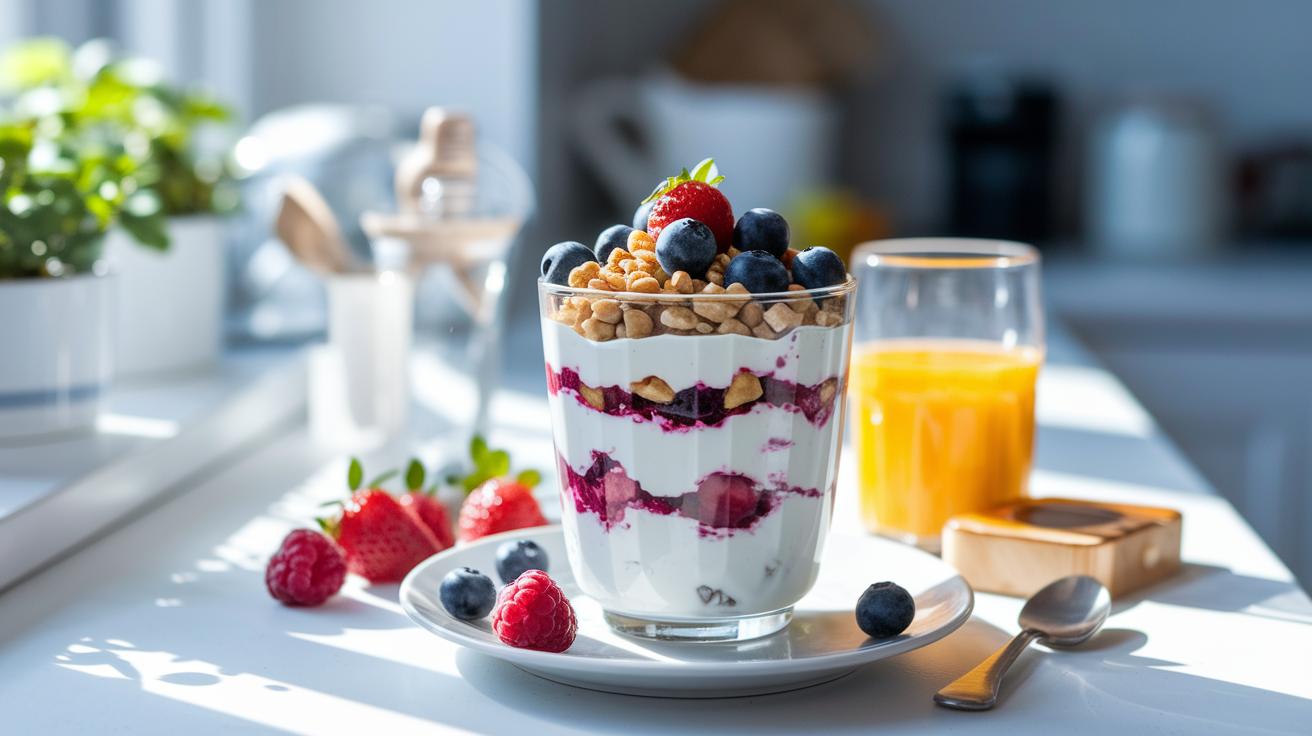
Kick off your morning with a colorful yogurt parfait mixed with berries and nuts. This breakfast packs a punch with loads of live cultures (that means at least five), and the mix of tangy yogurt, sweet berries, and crunchy nuts really wakes up your senses. It's like a little treat that helps set a cheerful mood for your immune system.
At lunchtime, treat yourself to a warm bowl of miso soup with tofu and seaweed, and add a small serving of kimchi (about 60 g). The rich flavor of miso paired with the spicy zing of kimchi creates a comforting meal that supports your gut. It’s a cool blend of old-fashioned tastes with smart, modern nutrition.
When you need a pick-me-up snack, try about one cup of kombucha or a kefir smoothie with a handful of spinach and a sprinkle of flax. This drink is not only refreshing but also fills you up with antioxidants and fiber, giving you a nice boost in the middle of the day.
Dinner could be a hearty salmon salad dressed with a couple of tablespoons of sauerkraut alongside some whole-grain bread. The omega-3 fats in the salmon pair perfectly with the benefits of sauerkraut to help keep your body balanced and strong over time.
If you add these fermented bites to at least two meals every day, you'll keep a healthy number of good bacteria in your gut. And really, who doesn't love a meal that tastes great and takes care of your body at the same time?
Final Words
In the action, we saw how probiotic foods for immune system help by introducing beneficial bacteria that boost your natural defenses. We touched on popular choices like yogurt, kefir, and sauerkraut, along with simple ways to add them into meals. Plus, we shared tips on serving sizes and precautions.
It’s exciting to think about how a little extra care with our diet can brighten our well-being. Enjoy exploring more ways to strengthen your daily health with these tasty, gut-friendly eats.
FAQ
What are some popular probiotic foods?
Popular probiotic foods include yogurt, kefir, sauerkraut, kimchi, and kombucha. These foods carry live cultures that help balance gut bacteria and support your overall well-being.
What are the top probiotic fruits and vegetables?
Although most fruits and vegetables don’t naturally offer live cultures, some fermented versions exist that add beneficial bacteria. Look for products that list live active cultures to boost gut health.
What probiotic Indian foods can support gut health?
Probiotic Indian foods, such as traditional pickles and yogurt-based dishes, deliver live cultures that promote a healthy gut while adding unique flavors to your diet.
Which probiotic foods are best for boosting gut health?
Probiotic foods like yogurt, kefir, kimchi, and kombucha are great for gut health because they supply live cultures that help maintain a balanced digestive system and support immunity.
What natural probiotic foods are available?
Natural probiotic foods include fermented dairy products and vegetables that contain live active cultures. They help improve your gut flora and assist in boosting your body’s natural defenses.
What food is highest in probiotics?
The concentration of probiotics varies across foods, but kefir often offers a higher diversity and number of live cultures compared to traditional yogurt, making it a strong choice for probiotic intake.
Which food is best to boost the immune system?
Foods that boost the immune system often contain probiotics, such as yogurt, kefir, kimchi, and kombucha. They provide beneficial bacteria that strengthen your gut barrier and support immune cell functions.
Can probiotics improve your immune system?
Probiotics improve your immune system by adding live cultures to your gut, which help reduce inflammation and enhance barrier defenses that protect your body against infections.


