
Ever wonder if your morning yogurt and banana might be your secret for feeling amazing? You see, prebiotics (fibers that feed good bacteria) and probiotics (live bacteria that help your gut) work together like a simple team inside your tummy. Prebiotics are like little snacks for the helpful bacteria in your yogurt. Studies even say that when they team up, your digestion can get a boost and your immune system gets stronger too. It's a bit like giving a plant a little water to help it grow tall and healthy. So, why not add these foods to your meals for that extra burst of wellness?
Prebiotic and Probiotic Foods: Radiant Health Boost
Prebiotics and probiotics sound alike but play very different roles in our bodies. Probiotics are live, helpful bacteria in our gut, while prebiotics are fibers that these good bugs love to munch on. I read about a study from 2022 which found that having a mix of these bacteria can boost digestion and may even help with obesity. Together, they work like a team to keep our gut balanced and our immune system strong.
Adding both kinds of food to your meals gives your gut a real lift. Picture a plate filled with bright, fiber-rich fruits and vegetables like bananas and oats (which are great for feeding your gut), paired with a serving of live-culture yogurt (full of good bacteria). This combo not only nourishes your gut but also soothes inflammation and supports overall health. It's a bit like tending to a garden, where healthy plants have the perfect nutrients to flourish.
Keep in mind that while these foods are usually very helpful, people with conditions like SIBO (too many bacteria where they don't belong) or IBS (constant tummy troubles) might see their symptoms worsen. So, before you make any big changes, it's a smart idea to chat with your doctor to see what works best for you.
Exploring Top Prebiotic Food Sources for Digestive Microbiome Enhancers

High-fiber foods are like a treat for the good bacteria in our stomach. They come from plants and work to keep our digestive system balanced by feeding the helpful bugs (tiny organisms that help break down our food).
Have you ever tried starting your day with a banana? It’s simple and packed with natural fiber that acts like a little boost for your gut. Barley and oats bring even more fiber to your meals, giving those healthy bacteria a reason to grow. Asparagus, with its crisp bite, fits nicely into salads or as a quick side dish.
Garlic and onions add a burst of flavor and also bring in powerful fiber to help your gut do its job. Berries, with their natural sweetness and fiber, make your tummy smile. Leeks, although they often play a quiet role in recipes, pack in important nutrients that help with digestion. And flaxseeds offer a nutty crunch while being great fuel for your good bacteria.
Next time you’re in the kitchen, try mixing these ingredients into your recipes. They create meals that not only taste good but also give your digestive system a nourishing lift.
Spotlight on Probiotic Foods: Fermented Dairy Delights and Non-Dairy Culture Boosters
Probiotic foods help bring friendly live germs into your tummy, which can keep your digestion balanced. And you gotta keep these foods in the fridge so they stay lively. Think about opening a jar of kimchi – you get its sharp tang and a load of helpful bacteria. Many people choose these foods over pills because they bring a natural mix of good germs working together to help your gut feel great.
Fermented dairy treats like cottage cheese, kefir, and yogurt add a smooth creaminess with a little bite, while non-dairy options like sauerkraut, pickles, and miso offer bold flavors and fresh variety. Ever noticed how a swig of kombucha feels both cool and energizing? That's all thanks to the live cultures! And even apple cider vinegar, which is usually kept at room temperature, gives you its own unique fermented perks. These choices suit different tastes and diets, so you can easily sneak some probiotics into your meals. Just remember, keeping them stored the right way is super important to get every bit of their benefits.
| Food | Type | Storage Tip |
|---|---|---|
| Sauerkraut | Fermented Vegetable | Refrigerate after opening |
| Kimchi | Fermented Vegetable | Keep chilled |
| Pickles | Fermented Vegetable | Refrigerate to retain crunch |
| Cottage Cheese | Dairy | Store at 35–40°F |
| Kombucha | Fermented Beverage | Refrigerate, avoid heat |
| Apple Cider Vinegar | Fermented Condiment | Room temperature OK |
| Parmesan Cheese | Dairy | Wrap and refrigerate |
| Kefir | Dairy Beverage | Keep in fridge |
| Yogurt | Dairy | Refrigerate at 4°C |
| Miso | Fermented Soy | Refrigerate to preserve cultures |
Incorporating Prebiotic and Probiotic Foods into Balanced Meal Plans
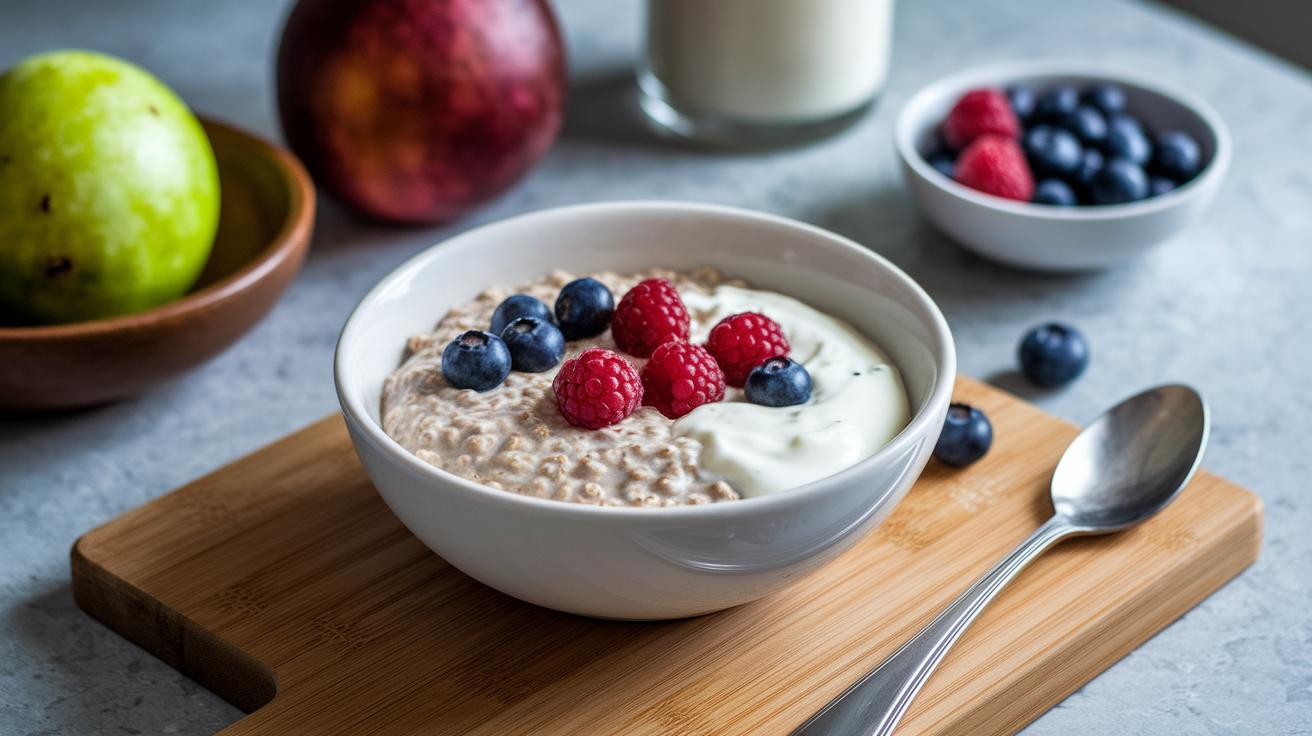
Ever thought about giving your gut a little boost? When you mix foods rich in natural fibers (prebiotics) with those full of good, live bacteria (probiotics), you’re treating your gut to a nutritious meal. It’s like your food is doing double duty: keeping your tummy happy while also helping out your immune system.
Imagine starting your day with a bowl of overnight oats mixed with berries. The berries bring a load of natural fiber, and when you add a bit of plain yogurt loaded with live cultures, you give your gut that extra kick it needs. Need something savory instead? You might try garlic-roasted asparagus with a warm bowl of miso soup. The asparagus is packed with prebiotic fiber and the miso offers a gentle probiotic punch.
If you’re in the mood for something out of the ordinary, how about oat-flaxseed pancakes paired with a kefir smoothie? The pancakes provide a solid dose of fiber, and the kefir brings in all those friendly bacteria. Another cool idea is a barley salad with onions and leeks, served with a side of kimchi. This dish is not only tasty but also works hard to nurture your gut.
And for a quick fix, try blending up a banana-spinach smoothie and topping it with a bit of cottage cheese. The sweet, natural flavors of the fruit and veggies, paired with the creamy, probiotic-rich topping, make a meal that feels just right and is great for your overall well-being.
Scientific Evidence on Prebiotic and Probiotic Foods’ Health Benefits
Research shows that eating foods loaded with natural fibers (prebiotics, which help feed good gut bacteria) and live cultures (probiotics, which are little live helpers) does more than just aid digestion. These foods have been linked to a stronger immune system, easier weight management, lower blood pressure, steadier blood sugar, stronger bones, and even a boost in mental well-being. One study even found that a balanced mix of gut bacteria might help lower inflammation and support better overall metabolism, which some believe could reduce signs of memory loss.
Clinical trials also suggest that fiber and live cultures team up to create a healthier gut. This smoother digestion might help your whole body run more steadily. Ever noticed that light, calm feeling after a good meal? That could be thanks to the natural powers of these foods as shown in recent research.
Regularly eating these gut-boosting foods might do more than improve your digestion. In fact, a healthier gut can mean a stronger immune system and better control over blood sugar levels. This reduces the risk of everyday health issues. It all points to one clear idea: what we eat directly affects our overall wellness.
Potential Risks and Guidelines for Prebiotic and Probiotic Foods

If you deal with SIBO or IBS, even a small serving of probiotics like plain yogurt might upset your stomach. Try a tiny spoonful to see how your body handles it, it’s like testing the waters.
Be careful with fermented foods that have a lot of sugar or fat. They might feed bacteria you don’t really want in your gut. For example, if a sweetened yogurt leaves you feeling off, it could be because the extra sugars are causing trouble.
Keep your live cultures cool. Storing them in the fridge helps keep the good bacteria strong and active.
Always chat with your doctor before changing your diet, even if the foods seem healthy.
- Start with small portions
- Pick low-sugar, low-fat options
- Keep probiotics stored in a cool, steady spot
- Check in with your healthcare provider first
Final Words
In the action, we saw how combining natural gut-friendly foods can boost overall wellness. The guide clearly explains prebiotic and probiotic foods by breaking down their roles and offering everyday meal ideas that feel easy to try out.
We wrapped up practical tips, solid research, and safety guidelines for crafting balanced, gut-supportive meals. Embracing these healthy steps can brighten your path toward improved wellness with every bite.
FAQ
Q: What is the best combination of prebiotic and probiotic foods?
A: The best combination means pairing fiber-rich prebiotic foods like garlic, bananas, or onions with live-culture probiotic foods such as yogurt or kefir. This mix helps boost gut health by feeding good bacteria.
Q: What are some common prebiotic foods?
A: Common prebiotic foods include bananas, barley, oats, asparagus, garlic, onions, berries, and leeks. They provide non-digestible fibers that fuel the beneficial bacteria in your gut.
Q: When should you eat prebiotic and probiotic foods together?
A: Eating prebiotic and probiotic foods in the same meal can maximize gut health. Enjoy balanced meals like overnight oats with berries and plain yogurt to support digestion and overall wellness.
Q: How do probiotics and prebiotics compare for weight loss?
A: Probiotics and prebiotics both support weight management. Probiotics introduce helpful bacteria, while prebiotics serve as fuel for these bacteria, aiding digestion and metabolism in ways that can help with weight loss.
Q: What are the top natural probiotic food sources?
A: Top probiotic foods include sauerkraut, kimchi, pickles, cottage cheese, kombucha, apple cider vinegar, parmesan cheese, kefir, yogurt, and miso. These foods add live cultures to boost your gut’s health.
Q: Which foods are highest in prebiotics and probiotics?
A: Garlic, onions, and asparagus are among the highest in prebiotics, while yogurt and kefir rank high as probiotic sources. These ingredients offer strong natural support for a balanced gut.
Q: Is there a probiotic and prebiotic foods list PDF available?
A: A probiotic and prebiotic foods list PDF compiles detailed food choices and storage tips. It’s a handy tool for planning meals that enhance your gut health with clear and practical guidelines.


