
Have you ever seen a red spot on your chest and wondered what it means? It might seem a bit scary at first, but it could also be your body's gentle way of healing. In this post, we'll talk about what these signals might be saying, why they happen, and simple steps you can try to ease any itch or burn. Stick with me as we break everything down in plain language so you can feel better and take charge of your skin's story.
Overview of Skin Rash on Chest: Causes, Symptoms, and Treatments
A rash on your chest can show up in different ways. It might look red, feel irritated, and sometimes have little blisters. It can appear all of a sudden or slowly over time. Some folks see dry, scaly patches that seem tight, while others struggle with a constant itch.
Sometimes the rash comes from everyday things like certain metals or cosmetics. Other times it might be linked to conditions inside the body, like acne (a common skin issue), psoriasis (a skin condition that causes red, scaly patches), or shingles (a viral infection that causes a painful rash). The way the rash looks and changes can make it hard to figure out what is causing it and how best to treat it.
- Causes
- Symptoms
- Treatments
When you notice a rash on your chest, start by taking a close look at it. Check for signs of redness, swelling, or any blisters. See if the skin feels dry, or if it begins to itch or burn. These clues can help you understand what might be causing the irritation.
For a mild case, you might just use a cream like hydrocortisone (an over-the-counter option to reduce swelling and itchiness). But if the rash has links to shingles, you could need a prescription for antiviral medicine. If the symptoms get worse, or if you develop a fever or see unusual drainage, it's important to visit a doctor. That way, you can get the right treatment and feel comfortable in your skin again.
Major Causes of Skin Rash on Chest
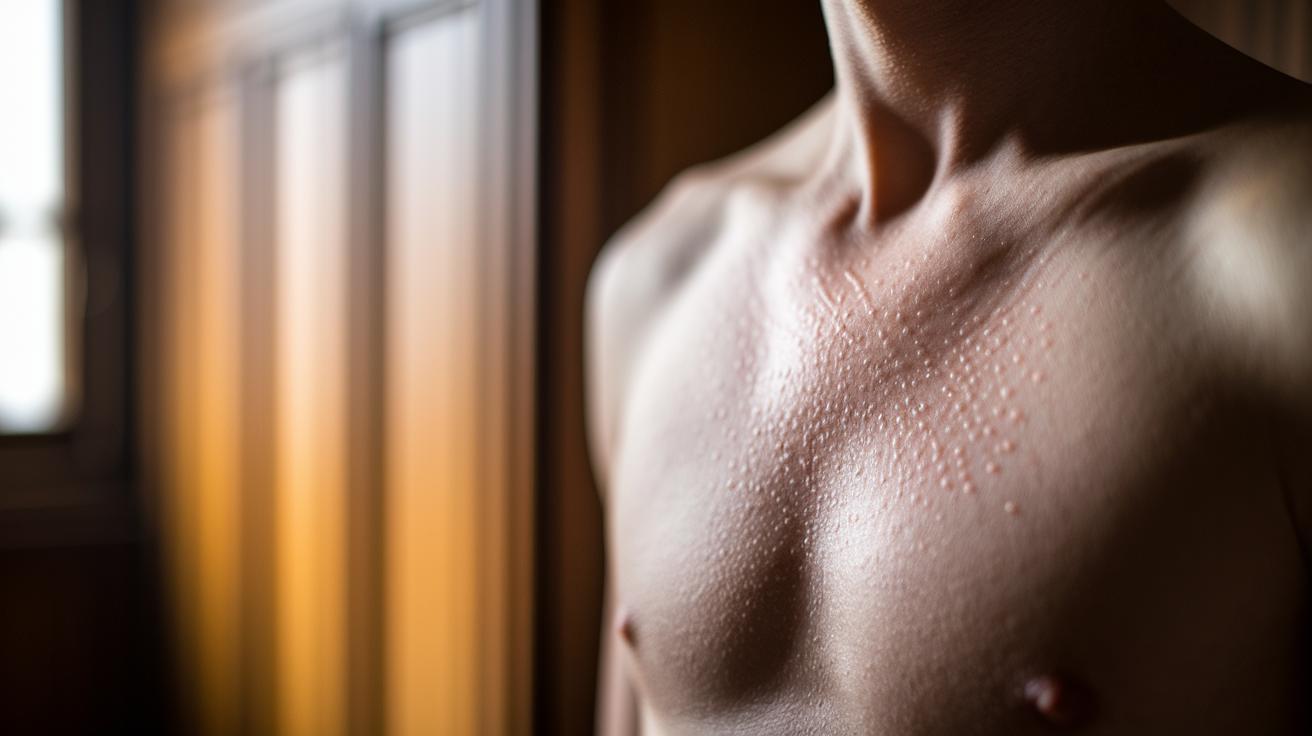
When your chest starts acting up, it might be sending you a little warning. Sometimes, everyday stuff like certain makeup or metal jewelry can make your skin flare up into red, blotchy patches. Other times, something deeper in your body can lead to dry, itchy, or even thickened skin. Infections from bacteria, viruses, or fungi can also change how your skin looks and feels. The signs can pop up fast or take their time, so it helps to keep an eye on what’s happening. Understanding what might be causing the rash is the first step in figuring out how to make it better.
Allergic Contact Dermatitis
Occasionally, a chest rash is the result of your body reacting to something harmless. When items like metals in jewelry or chemicals in cosmetics come into contact with your skin, they can cause redness, itching, and a bit of swelling. The rash might not have clear edges, which can make it hard to notice right away. The first time it happens, the rash can take days to develop, but if it happens again, it might show up much sooner. Using a cream like hydrocortisone can help calm the irritation.
Atopic Dermatitis (Eczema)
With atopic dermatitis, your chest can get inflamed over time, leading to dry patches and skin that grows thicker from constant scratching. This condition is that annoying cycle where the itch leads to a scratch that only makes the skin drier and tougher. Red, inflamed patches that feel tight can slowly appear and become more noticeable. To manage this, keeping the skin moisturized and using creams to ease the itch and inflammation are usually the best steps.
Infectious Causes
When an infection hits the chest area, things can get a bit tricky. Bacterial infections might show up with yellow pus or even a smelly discharge in serious cases. Viral outbreaks, like shingles, usually bring along blisters, burning, and a strong itch. Fungal infections often look like red, scaly patches in spots that tend to be moist. Each type of infection needs its own special care, so spotting the exact cause is key to picking the right treatment.
Recognizing Symptoms of Skin Rash on Chest
Sometimes you notice red, flat spots, round marks, or little bumps on your chest. They might mix with dry, flaky patches. Usually, these signs are small and harmless when they show up in one area.
How the rash feels is really important. A bit of itching or a light burning might be eased at home. For example, you can wet a soft cloth with cold water and gently press it on your chest for about 10 minutes. But if the rash quickly turns into strong burning or starts hurting a lot, it might be time to see a doctor.
If you also see swelling, feel warmth around the rash, notice a fever, or spot red streaks nearby, these could be signs that things are getting worse. When you feel extra pain or see the rash spreading, it's a good idea to decide if you need more than just home care.
Diagnosis of Skin Rash on Chest: Tests and Professional Evaluation

Doctors usually start by taking a close look at your chest rash. They check where it is, its shape and color, and how it has changed over time. This first look is super important because a rash that seems mild might actually hide something that needs more careful care. They also keep an eye out for any signs like yellow pus, red streaks, or a bad smell that could mean more tests are needed.
After the initial exam, the next step often involves some tests to find out what’s really going on. Sometimes they do a patch test to see if you’re allergic to things like certain metals or chemicals in cosmetics. If there's a chance it's a fungal infection (a type that causes skin problems), they might take a tiny bit of your skin for a scraping or a culture test. And if they suspect bacteria might be the culprit, they could swab the area to check for any germs.
If the rash doesn’t seem to get better or it looks a bit unusual, your doctor might suggest a skin biopsy. This means they take a small sample of your skin to study under a microscope. It might sound a bit scary, but it really helps to catch any hidden issues early on.
Once all these checks are done, your doctor will explain what the next steps are. They’ll recommend treatments that fit the cause and share tips to help stop it from coming back. It’s all about acting quickly and keeping track of any changes, which really helps in managing the condition better.
Treatment Strategies for Skin Rash on Chest
Many folks start with over the counter remedies to soothe a chest rash. Hydrocortisone cream helps calm swelling and lessen irritation from allergies or contact reactions. Sometimes, your doctor might suggest a stronger, prescription cream for extra relief. Oral antihistamines can also be used to ease a bad itch and make daily life a bit more comfortable.
When a rash is caused by a fungus, hives, or shingles, targeted treatments work best. For fungal issues, antifungal creams or specially made shampoos can clear them up. If hives are the problem, non-sedating antihistamines and a cold compress really cool things down. And in cases of shingles, antiviral medicines like acyclovir or valacyclovir help cut down pain and shorten how long it lasts. Home remedies such as an oatmeal bath, a dab of aloe vera gel, or a barrier cream add a gentle touch to support skin healing.
| Condition | Topical Treatment | Oral/Other | Home Remedy |
|---|---|---|---|
| Allergic/Contact Dermatitis | Hydrocortisone Cream | Antihistamines | Cool Compresses |
| Atopic Dermatitis (Eczema) | Prescription Steroids | Antihistamines | Oatmeal Bath |
| Fungal Infection | Antifungal Cream | N/A | Moisture Management |
| Hives | N/A | Non-sedating Antihistamines | Cold Compresses |
| Shingles | Antiviral Cream | Acyclovir/Valacyclovir | Aloe Vera Gel |
Mixing treatments can sometimes offer a balanced approach. For example, using hydrocortisone along with a prescription steroid can help manage swelling more effectively. At the same time, home remedies like an oatmeal bath or cool compress bring a soothing, natural touch. Everyone's skin is different, so it's smart to talk with your healthcare provider and adjust your treatment plan as your rash gradually improves.
skin rash on chest: Hopeful Signs and Solutions
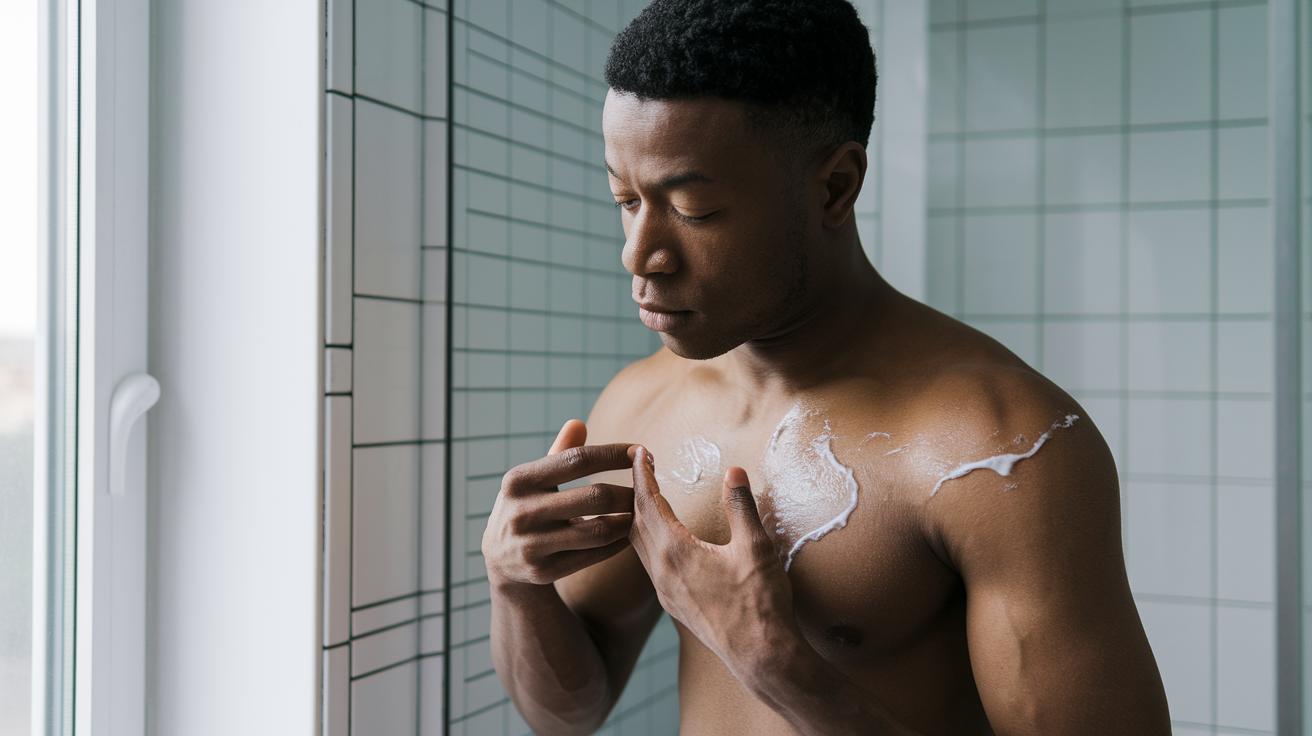
Taking care of your chest is easier than you might think. Start by using an unscented moisturizer every day to keep your skin soft and well-hydrated. I like to apply it right after a shower when my skin is still a bit damp, that extra moisture really helps lock things in and stops any tight, dry feelings.
Small changes in your habits can make a big difference. Try wearing loose, breathable fabrics, especially after a warm bath, to let your skin relax. Drinking plenty of water and eating a balanced diet also do wonders for your skin's health. And remember, even on cloudy days, a broad-spectrum SPF is key to keeping your skin safe from harsh sun rays.
When to Seek Medical Help for Skin Rash on Chest
Keep an eye out for serious signs that mean it's time to see a doctor. If your rash shows yellow pus, smells bad, or has red lines, it might be infected. Also, if you have a fever or your chest feels very painful or hot, you should get help right away.
Watch if the rash spreads quickly from your ribcage to your back or if the red area on your chest grows fast. A rapid increase in size or more intense itching might mean something else is wrong and you need a check-up soon. And if it doesn't get better after a week of treatment, it's best to consult your doctor rather than wait.
When you go to the clinic, try to recall all the details about your rash. Write down when it first appeared, what might have triggered it, and any treatments you've already tried. Also, mention if you've dealt with something like this before.
Final Words
in the action, this article broke down what you need to know about a skin rash on chest. We looked at its causes, symptoms, and ways to treat and prevent flare-ups.
The piece explored when to seek help and what tests and treatments might be best. Steps to manage and avoid future episodes were shared, so you feel more equipped to handle any concerns. Keep a positive outlook and remember that with the right insights, dealing with a skin rash on chest can become much easier.
FAQ
What does a rash on your chest mean?
The rash on your chest means the skin is showing signs of irritation or inflammation. It can be due to allergic reactions, infections, or other skin conditions that might need attention if persistent.
How do you tell if a rash is an allergy?
The way you tell if a rash is an allergy is by looking for redness, bumps, and intense itch after exposure to a substance. These signs often appear where the skin meets a trigger.
What diseases start with a rash?
The diseases that start with a rash include conditions like chickenpox, measles, and shingles. These usually begin with red spots or blisters that spread as the condition develops.
What viruses cause a chest rash?
The viruses that cause a chest rash include the virus linked to shingles and occasionally those from common colds. These viruses can trigger burning, blistering, or sore spots on the chest.
When should I worry about a rash in adults?
The time to worry about a rash in adults is when it spreads rapidly, is accompanied by fever, pain, or pus, or does not improve over a week. These signs might mean a health issue that needs a doctor’s check.
What do pictures of skin rashes show?
The pictures of skin rashes show various patterns, colors, and textures of irritated skin. They can help you recognize symptoms like redness, bumps, or blisters for an informed discussion with a healthcare provider.
How can pictures of skin allergy types help me?
The pictures of skin allergy types help by showing visual examples of allergic reactions. They allow you to compare your symptoms with common allergy signs, guiding you to seek advice if needed.
What causes chest rashes in both men and women?
The causes of chest rashes in both men and women range from allergic reactions and infections to conditions like eczema or contact dermatitis. While the symptoms might differ slightly, the trigger factors are often similar.


