
Ever wonder if your body holds the key to better security? Your fingerprints, eyes, and even your voice help create a unique digital code that keeps your data safe. These smart sensors not only protect your personal info but also make everyday tasks faster. In this article, we take a closer look at how they work and why they matter for safety and innovation in our fast-paced world. Get ready to see how little tweaks can lead to big improvements.
Understanding Biometric Sensors: Definition and Operation
Biometric sensors are cool gadgets that turn our unique features, like fingerprints, iris patterns, and even our voice, into electrical signals. They’re different from regular sensors that simply measure weather or pressure because they look at what makes you, well, you. Think of them as personalized keys that unlock your identity.
These sensors work using different tech, such as optical methods or digital imaging, to gather details like changes in light, temperature, or even electrical capacity. They come in two main types. One type checks physical traits like your face, fingerprints, hand shape, iris, or even DNA (your unique genetic code). The other watches behavioral traits like how you type, sign your name, or speak. This mix gives them an edge over other sensors that just pull routine data.
- Fingerprints
- Iris patterns
- Facial features
- Hand geometry
- Voice characteristics
- Signature dynamics
The magic behind these devices is a process called transduction, which is just a fancy word for turning things we can see into electrical signals. This means that when the sensor scans your traits, it creates a unique digital code that helps confirm your identity quickly and accurately. In short, these sensors make security tighter and authentication faster by comparing live scans to stored data.
Types of Biometric Sensors: Physiological vs Behavioral Technologies
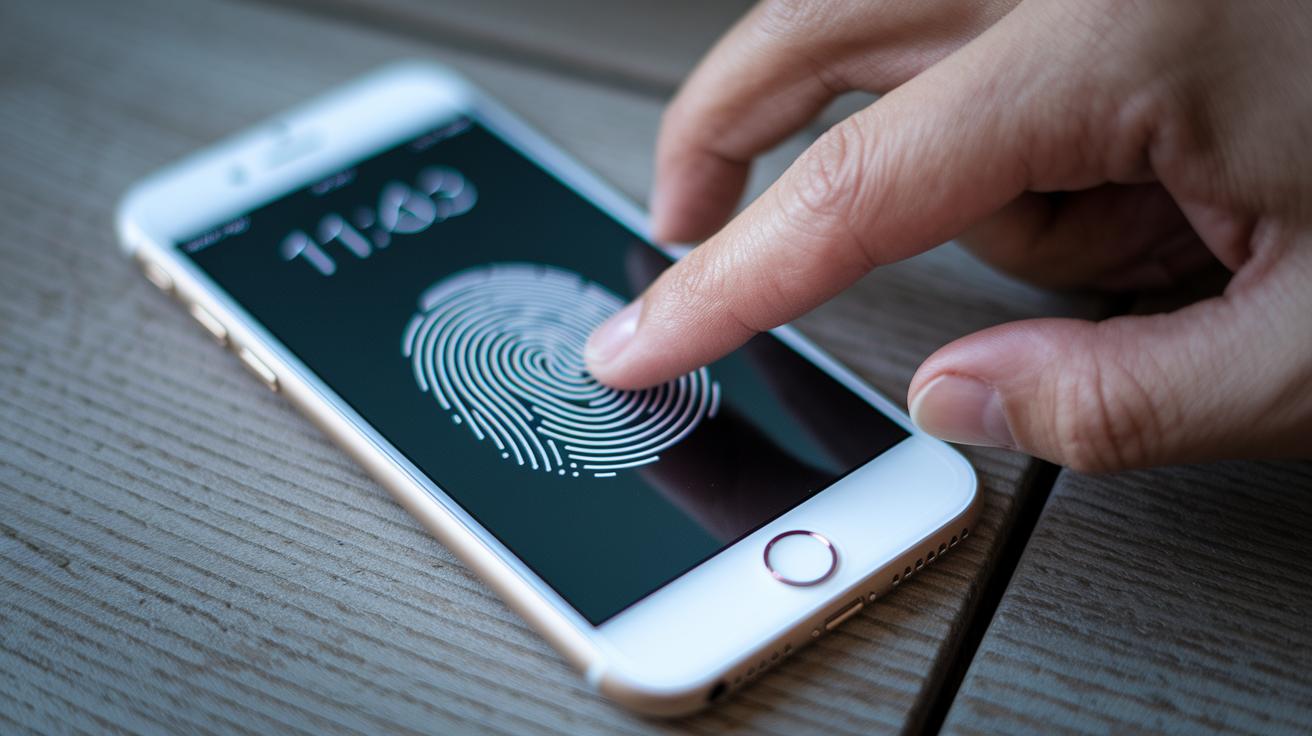
Biometric sensors generally fall into two groups. One group tracks physical features, like the unique swirls on your fingertip, while the other watches how you act or behave. Both groups help make sure that when you unlock your phone or door, it's really you. The physical sensors focus on what you can see and measure, whereas the behavioral ones capture actions that are always in motion.
| Sensor Type | Measured Trait | Key Features |
|---|---|---|
| Fingerprint | Ridges, arches, loops, minutiae details | Minutiae comparison, ridge analysis, correlation |
| Facial | Width of nose, cheekbone height, eye socket depth | Analysis of up to 80 key nodal points |
| Iris | Intricate iris patterns and color variations | Examination of detailed textures around the pupil |
| Voice | Nasal tone, fundamental frequency, inflection, cadence | Fixed-text, text-dependent, text-independent processing |
| Signature | Pressure, stroke order, speed | Static and dynamic mode analysis |
| Hand Geometry | Shape, size, contours of the hand | Measurement of physical dimensions and proportions |
As tech keeps getting better, it's getting easier to mix these sensor systems together. When you pair physical sensors, like fingerprint or facial scans, with behavioral checks such as voice or signature verification, your security gets a serious boost. Each system covers the gaps of the other, which means fewer mistakes and a much safer overall setup. In essence, blending the steady facts of physical traits with the natural flow of behavior not only ups the security game but also adapts to lots of different needs. And really, who doesn’t love a system that works smoothly and watches out for you every step of the way?
Biometric Sensors in Security and Access Control Systems
Fingerprint sensors are now a familiar sight when it comes to locking and unlocking doors or tracking attendance. They work by scanning the unique swirls on a person’s fingertip to make sure only the right person gets access. Plus, with special encryption protecting the stored data and secure on-device matching, it's really tough for anyone to trick the system.
Facial recognition cameras add an extra layer of safety at entry points. They snap digital photos and run live checks by analyzing key spots on your face. This smart process not only confirms your identity but also cuts down on mistakes, ensuring that only genuine users can get through.
These days, many mobile devices blend fingerprint and facial scanning for unlocking phones and authenticating payments. They combine these methods with strong encryption, meaning every check is quick and secure. It’s a smooth, reliable way to keep things safe in today’s fast-moving, technology-driven world.
Healthcare and Wearable Biometric Sensors for Monitoring
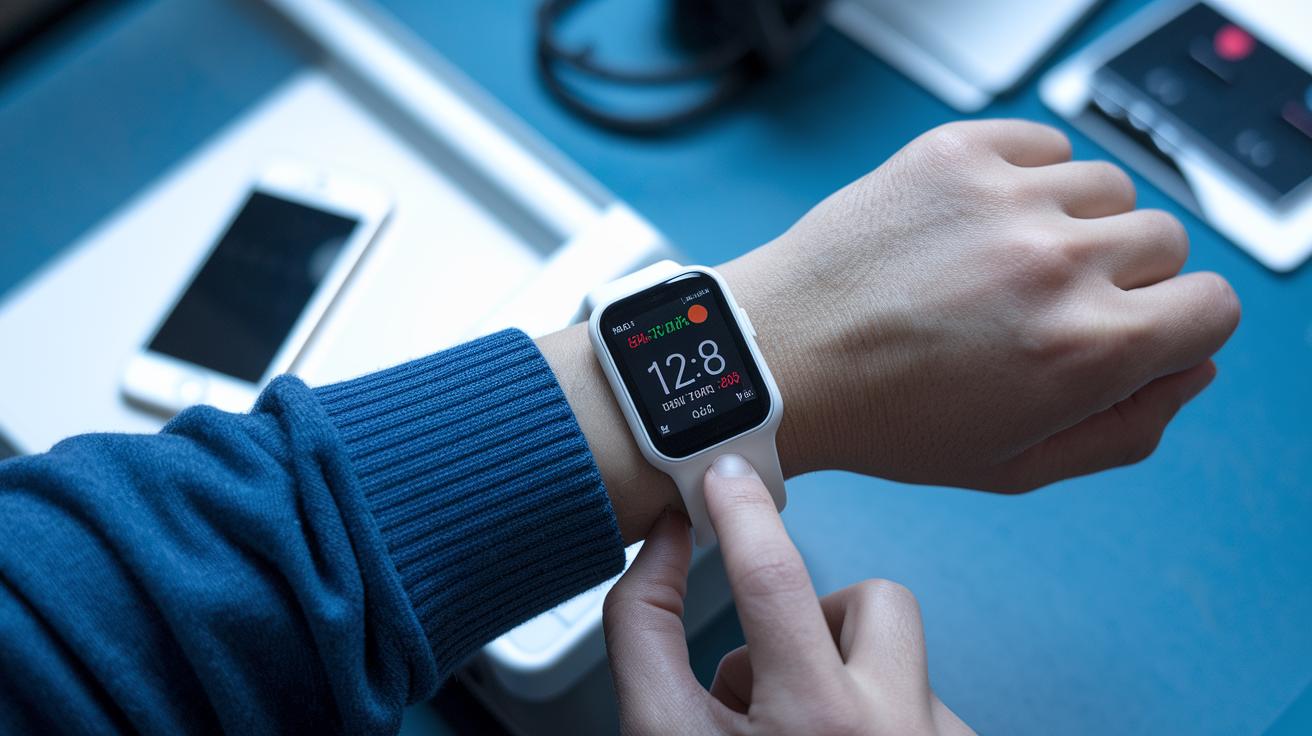
Wearable devices are changing how we check who we are when we use healthcare tools. They use fingerprints, palm scans, or even facial recognition to quickly confirm that a patient is really who they say they are. It's a lot like a secure lock that only opens for the right key.
Once your identity is set, these gadgets keep a close watch on things like your heart rate, blood pressure, sugar levels, and oxygen in your blood. Imagine a little device that checks your pulse and gives you a heads up when something seems off. It works all day and night, quietly sending real-time updates to both you and your doctor.
Many of these devices even have a fall-detection feature. They can sense a hard impact or sudden change in your movements and then trigger an emergency alert. This system often links straight to hospital help, so assistance arrives fast when you need it most.
Smart algorithms (using artificial intelligence, which means machines that can mimic human thinking, and machine learning, where computers learn from data) analyze all the information these devices collect. They send you personalized health tips, reminders for your medications, and even suggestions for a healthier lifestyle. In truth, these wearables are not just sensors; they are like personal health companions on your journey.
biometric sensors: Elevating Security and Innovation
Researchers are making strides with new devices like continuous glucose monitors, ingestible wearables, and tools that spot diseases early. Thanks to flexible electronics and tiny nanomaterials (small particles that can change tech game), we can now build super-thin optical and touch sensors. For example, researchers have shown sensors so thin they can stick to soft, bendy surfaces, almost like a second skin. This marks a big step forward in sensor technology and biometrics.
Reliable circuit protection parts and precise connectors are key to meeting strict medical rules. Quick prototyping and custom case designs speed up the process of getting these cool devices to market. Think about sensors built into wearable patches that can monitor patients continuously. These early models are already showing promise and pushing the boundaries of what biometric sensors can do.
Artificial intelligence (AI) and machine learning (tech that learns from data) are changing the game for biometric systems. Picture a sensor that remembers your unique patterns and adjusts its sensitivity just for you. This smart approach helps cut down on mistakes, like wrongly accepting or rejecting data, and makes these devices work smoother in everyday life.
Recent research goes far beyond traditional uses. Next-generation wearables pack in sensors that constantly check your vital signs while keeping your identity secure. This blend of health monitoring and security shows how new these innovations really are and hints at a future filled with smart, intuitive devices.
Hardware and software breakthroughs are setting new standards for trust and performance. Combining AI-driven sensors with fast design cycles not only boosts accuracy but also makes it possible to tailor devices for both still and moving conditions. All these advancements point to even more exciting times ahead for biometric sensors in both health care and security.
Limitations and Reliability Challenges of Biometric Sensor Systems
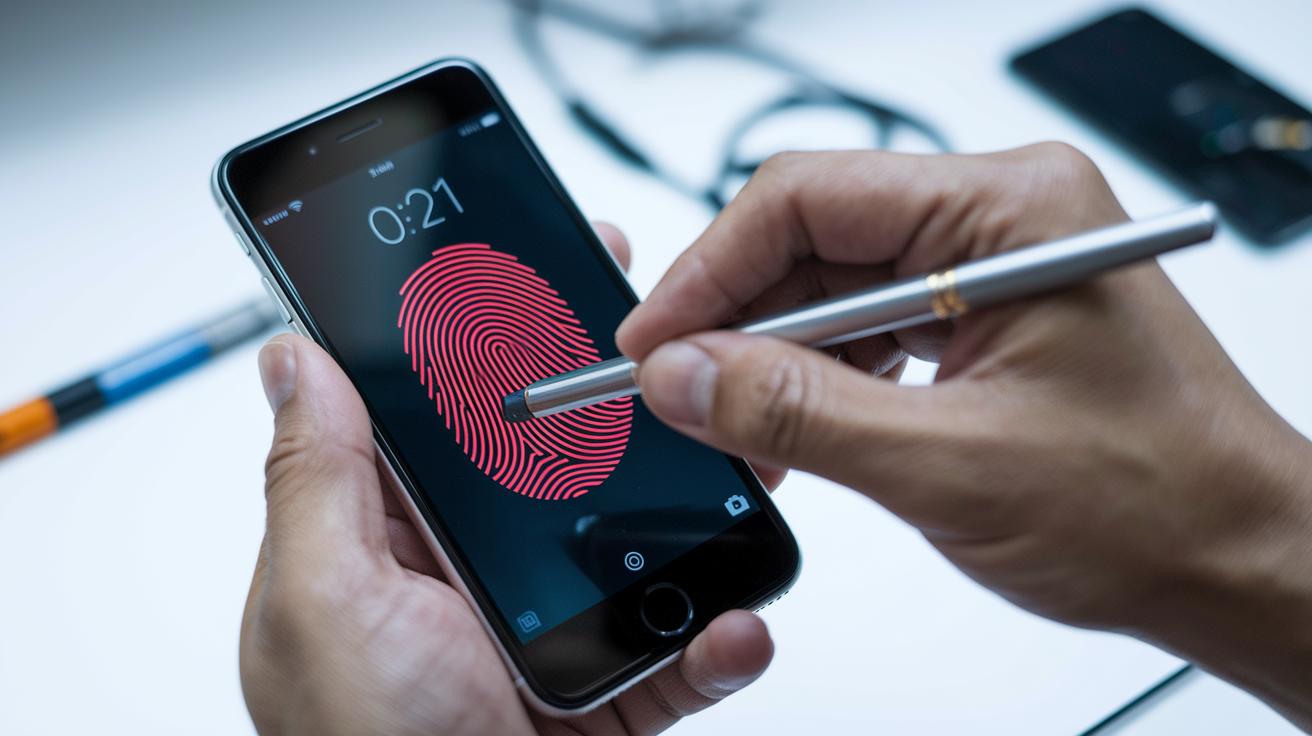
Lighting, background noise, and even skin conditions can mess with how well facial and voice sensors work. For instance, in a very bright room or when there’s lots of background chatter, the sensor might miss the tiny details it needs to catch. Imagine a voice sensor hearing someone speak softly in a noisy place, sometimes it just gets it wrong. And when it comes to fingerprint sensors, if the sensor is dirty or someone’s ridges are worn out, it might reject a match even when it should accept the print.
Keeping these systems accurate means checking and tuning them regularly. Calibration is like giving your sensor a little tune-up; using test patterns and reference points helps it stay on track. Think about how you occasionally tune a musical instrument to keep it sounding just right. Routine maintenance and firmware updates work in the same way by making sure the system meets the strict standards needed for medical devices and other uses.
We also need to track how these sensors perform under different conditions. Each sensor is tested regularly to see if it still does a good job even when things change, like when lighting is low or voices come in different tones. This ongoing testing makes it easier to spot problems early on so that the software and hardware can be adjusted. This way, the sensors keep running smoothly and reliably in everyday use.
Market Trends and Ethical Considerations for Biometric Sensors
Biometric sensors are popping up everywhere now. We see them used by police, in office security, in our smart homes, and even in cars. Companies are working faster to make these tools because more people need better ways to lock down spaces like offices, borders, and personal gadgets. For example, lots of businesses now keep an eye on sensitive areas using these sensors. It’s pretty cool to see tech doing so much.
Rules and laws are a big deal too. Policies like GDPR and CCPA say companies must get permission, only keep a little bit of data, and make sure to scramble all the stored biometric info (that means turning it into secret code). These rules mean makers have to pay close attention to keeping our privacy safe while still bringing us top-notch security. It’s a balancing act for sure.
People also talk a lot about the ethics. There are worries about whether users really agree to how their data is used and if facial recognition sometimes makes mistakes (like getting things wrong about who someone is). These issues spark plenty of chats between tech people and privacy fans, touching on how to avoid mistakes and protect identities.
Manufacturers are stepping up their game with new ways to follow the rules. They now use set tests and regular check-ups to make sure their devices do what they’re supposed to and keep our info private. These steps are essential for keeping the excitement over new tech balanced with strong, clear ethical practices.
Final Words
In the action, this post broke down what biometric sensors are and how they work by converting unique traits like fingerprints and voice into digital signals. It compared these devices with older sensor types, explained authentication in security, highlighted wearable tech for health, and looked at the latest tech advances.
We wrapped up with a peek at the challenges and market trends shaping these tools. Biometric sensors are powering a smarter, healthier future. Keep exploring and stay positive as tech improves everyday life.
FAQ
What is biometric sensors wearable technology?
The term biometric sensors wearable technology refers to devices worn on the body that capture traits like fingerprints or heart rate for identity verification or health monitoring in everyday settings.
What are some common examples and applications of biometric sensors?
The common examples include fingerprint sensors, iris scanners, and voice recognition devices. These sensors are applied in phones, cars, and security systems to quickly verify an individual’s identity.
How are biometric sensors used in cars?
Biometric sensor car systems enhance vehicle security by verifying a driver’s unique features, such as fingerprints or facial patterns, to enable engine start and prevent unauthorized access.
What is a biometric scanner?
The biometric scanner converts unique physical traits like fingerprints or iris patterns into digital signals. This device plays a key role in safely and efficiently verifying identities in various systems.
What types of biometrics exist, and which are most common?
The biometrics include fingerprint, facial, iris, voice, signature, hand geometry, and DNA. Typically, fingerprint, facial, iris, and voice are the primary methods, with others sometimes added for extra accuracy.
What should I know about biometric sensor prices?
Biometric sensor prices vary widely based on technology and application. Simpler models offer basic functionality, while advanced units with extra features may cost more, reflecting their enhanced performance and security.


