
Have you ever considered that a simple tool could change the way you manage long-term health issues? Telehealth devices let you handle your daily care without ever leaving home.
Nearly 60% of American adults live with chronic conditions (long-lasting health problems), and these devices are like having a trusted friend who checks in on you throughout the day. They give you real-time updates and help your doctor stay informed quickly.
Keep reading to learn how the best telehealth devices make everyday health care a smoother, simpler experience.
Comprehensive Overview of Leading Telehealth Devices for Chronic Disease Management
Telehealth is changing the way we manage long-term illnesses. It gives people continuous care through online check-ups, remote monitoring, and health apps. Today, almost 60% of American adults live with at least one chronic condition. Back in 2023, the telehealth market was worth $115 billion, and experts say it might reach $286.22 billion by 2030. These numbers show why smart and dependable devices are now more important than ever. It reminds me of the story of Marie Curie who, before she was famous, carried test tubes with dangerous substances in her pockets, small actions can sometimes lead to big changes.
New tech in remote care is making virtual visits even better. Modern systems now use tools like Bluetooth blood pressure monitors and glucose meters. These devices send real‑time data to doctors. This helps them keep an eye on a patient’s health from home and adjust treatments quickly. Secure messaging and video calls give patients a fast way to get in touch with their healthcare teams. It’s not just about convenience; these gadgets meet tough health standards while working reliably.
Safety and trust are top concerns in telehealth. All devices must follow strict rules (like HIPAA, which protects patient information) and are tested for accuracy and ease of use. This way, both patients and providers can feel safe during regular check-ups. This clear, hands-on approach shows which telehealth tools make a real difference in managing long-term health issues every day.
In-Depth Product Comparison of Telehealth Devices for Chronic Disease Management
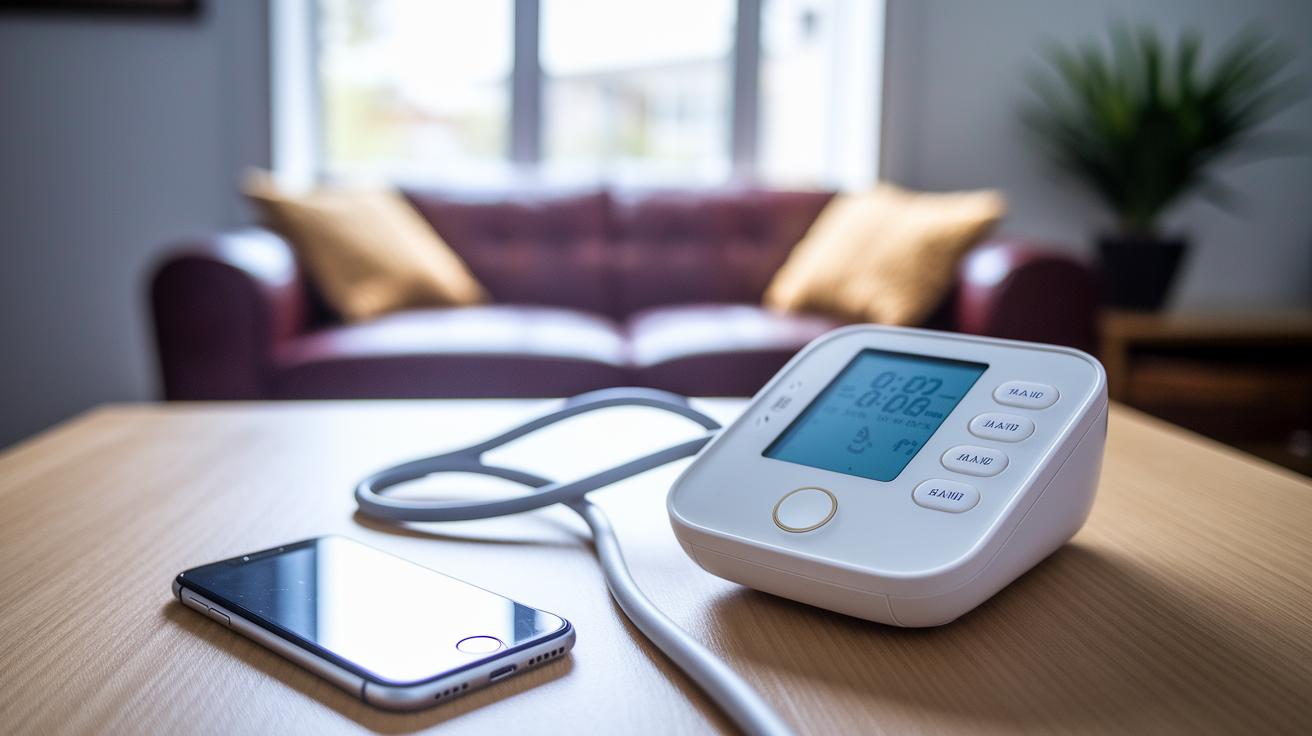
Remote Patient Monitoring Devices
Remote patient monitoring devices include handy gadgets like blood pressure monitors and pulse oximeters that check your health in real time. They send data safely to your healthcare provider (using HIPAA, which are rules that protect your personal health info). Think of it like a Bluetooth cuff that sends your readings immediately, so your doctor can change your meds if needed, kind of like getting a quick weather update to plan your day. Their ease-of-use and reliable readings may catch warning signs before they turn serious.
Wearable and Mobile Diagnostic Instruments
Wearable and mobile diagnostic tools are designed for comfort and constant monitoring. They come in forms like glucose trackers or small diabetes sensor modules that let you check your vital signs on the go. Imagine wearing a band that reminds you to relax or check your blood sugar while you stroll outside. These devices not only help you stay in control of your health but also send your data directly to your doctor, which can mean fewer trips to the clinic.
Integrated Telehealth Platforms
Integrated telehealth platforms mix both hardware and software into one smooth system for online care. They let you send secure messages, book appointments automatically, and view your test results in one place through electronic health records. This user-friendly setup simplifies your care routine and cuts down on extra paperwork.
| Device Type | Key Features | Typical Use Case |
|---|---|---|
| Blood Pressure Monitor | Real-time tracking, Bluetooth connectivity | High blood pressure management |
| Pulse Oximeter | Non-invasive, continuous oxygen monitoring | Managing lung conditions |
| Glucose Level Tracker | Automated readings, sensor modules | Diabetes care |
| Wearable Diagnostic Gadgets | Activity tracking, seamless data integration | General health monitoring |
By comparing the key functions, performance, and how well these systems work together, it’s clear that each option serves a unique role in managing chronic care. Choosing the right mix of devices and platforms can really tailor care to each patient’s needs.
Enhancing Chronic Disease Management: Clinical Outcomes with Telehealth Devices
Telehealth devices are really changing how we manage long-term illnesses. They give constant readings and send quick alerts, which helps catch problems early. These devices work by keeping track of your health in a secure way and linking the info directly to your records. They check vital signs like blood pressure, heart rate, and oxygen levels. So, if a patient gets a sudden alert about a heart rate change in the middle of the night, it means help can come right away.
Patients are noticing the benefits in real life. One person said, "It feels as though my doctor is always by my side, even at home." Access to test results, booking appointments, and handling medication details makes many feel much more at ease. Lots of people have enjoyed fewer emergency visits and more control over their daily health routines.
Medical teams are also reaping rewards from this tech. Doctors, nurses, and specialists can share patient data instantly, which means they can adjust treatment plans quickly. Secure online platforms help the whole team verify information and work together smoothly. This collaboration leads to quicker, more personalized care.
Studies show that these devices reduce hospital stays and improve treatment plans. Continuous monitoring and fast alerts help spot issues before they get serious. People are reporting that they feel more stable and stick to their treatments better. Overall, technology and remote care are truly changing chronic disease management, and these positive outcomes are encouraging more people to embrace telehealth.
Future Innovations in Telehealth Devices for Chronic Disease Management
New tech is really reshaping how we handle long-term illnesses. AI-powered health gadgets and smart wearables are already starting to predict health changes. Imagine wearing a device that knows your body almost as well as a diary. I once wondered if a watch could tell me when my heartbeat was about to change, now, it practically does. These smart wearables catch tiny health shifts and open the door for future mobile tools that alert us before problems arise.
Cloud-based monitors are also making a big difference. They're helping doctors keep a close eye on your health every day. Augmented reality tools now let patients chat with their doctors in a lifelike, interactive way during virtual consultations. Plus, all your data is safely stored under strict privacy rules (like HIPAA guidelines), making remote care a trusted part of everyday health support.
There's also a trend toward combining many functions into one simple package. By linking smart wearables with automated care modules, these devices provide real-time insights and even look ahead to potential issues. It feels like continuous monitoring and timely alerts are becoming as normal as checking your watch.
Final Words
In the action, we explored top telehealth devices with clear comparisons of features and performance. We covered how remote monitoring and wearable tools boost everyday health outcomes. The blog walked through clinical improvements, patient experiences, and evolving tech that simplifies care. We even peeked at what tomorrow holds for digital health tools. It’s all about finding the best telehealth devices for chronic disease management that offer reliable guidance and tech-enabled wellness. Stay encouraged by these promising advances, every step helps you feel more secure and informed.
FAQ
Frequently Asked Questions
Q: What are remote patient monitoring devices and examples?
A: Remote patient monitoring devices include tools like Bluetooth blood pressure cuffs, glucometers, and wearable sensors. They collect and send health data to providers, supporting chronic care with FDA-approved, continuous tracking.
Q: How do wearable remote patient monitoring devices work?
A: Wearable devices are compact sensors worn on the body that track vital signs in real time. They transmit daily data to healthcare teams, helping manage conditions effectively.
Q: What home health monitoring devices are available for everyday use?
A: Health monitoring devices for home include blood pressure monitors and digital scales designed for everyday use. These systems help patients, especially the elderly, keep track of their health safely.
Q: Which companies offer remote patient monitoring solutions?
A: Remote patient monitoring companies specialize in integrated systems that collect health data, meet HIPAA standards, and support chronic disease management. Many firms provide user-friendly solutions for both clinicians and patients.
Q: What are telehealth interventions for chronic disease management?
A: Telehealth interventions for chronic disease management offer virtual consultations, secure messaging, and connected monitoring devices. They allow continuous data sharing and fast responses from healthcare providers.
Q: How can telehealth help patients with chronic diseases?
A: Telehealth aids patients by offering remote monitoring and timely alerts that lead to quicker care adjustments. It simplifies self-management and enhances communications between patients and their care teams.
Q: Is chronic care management considered telehealth?
A: Chronic care management is a form of telehealth because it uses remote patient monitoring, virtual check-ins, and digital communication tools to support ongoing, effective care.
Q: What are the four types of telehealth?
A: The four types of telehealth include real-time video consultations, store-and-forward systems, remote patient monitoring, and mobile health apps. Each type offers unique benefits for chronic disease management.
Q: What is a remote patient monitoring system for chronic disease management?
A: A remote patient monitoring system for chronic disease management collects patient data via devices like glucometers and blood pressure monitors. It transmits this data to healthcare providers for ongoing care adjustments.


