
Have you ever wondered why people love letting cabbage do its thing? Fermented cabbage has a tangy kick and loads of nutrients that might just change the way you see your meals. In this post, I'll share everything you need, from the right salt mix to the best tools, to help you make this tummy-friendly treat at home.
Imagine turning a simple cabbage into a tasty, healthy surprise in your kitchen. It's easier than you think, and soon you'll be enjoying a whole new way to snack or add flavor to your dishes.
Lacto Fermentation Essentials: Definition, Salt Ratios, Equipment, and Microbial Culture
To make fermented cabbage, you mix shredded cabbage with salt. The salt pulls out the natural juices and forms a tasty brine that starts the fermentation. For a normal batch, you need about 1.5 to 2.5 percent salt by weight. So if you have 1000 grams of cabbage, you'll add between 15 and 25 grams of salt. Fun fact: one chef once used exactly 20 grams per 1000 grams and ended up with a perfectly tangy flavor.
The cool part is that live bacteria on the cabbage leaves change its sugars into acids, which gives the cabbage that tangy kick. These little helpers not only pack great flavor but also make the kraut good for your gut. Using just the right amount of salt helps these bacteria work their magic and create a nutritious, probiotic treat.
When you're picking your tools, go for non-metal options like glass or ceramic jars, and wooden or plastic utensils. Metal can sometimes mess with the taste because the acids react with it. Think of it like preparing your favorite salad with the best tools – the right equipment keeps the flavor just right.
Temperature plays a big role too. Keep your cabbage at a cozy 65 to 72 °F for 1 to 3 weeks. This mild warmth lets the bacteria work steadily while keeping the bad microbes away. Using an airlock lid or a tightly sealed cloth cover is smart, as it lets out carbon dioxide but stops oxygen from spoiling your batch.
| Cabbage Weight (g) | Salt Amount (g) |
|---|---|
| 1000 | 15 – 25 |
Fermented Cabbage in Your Kitchen: Step-by-Step Homemade Kraut Recipe
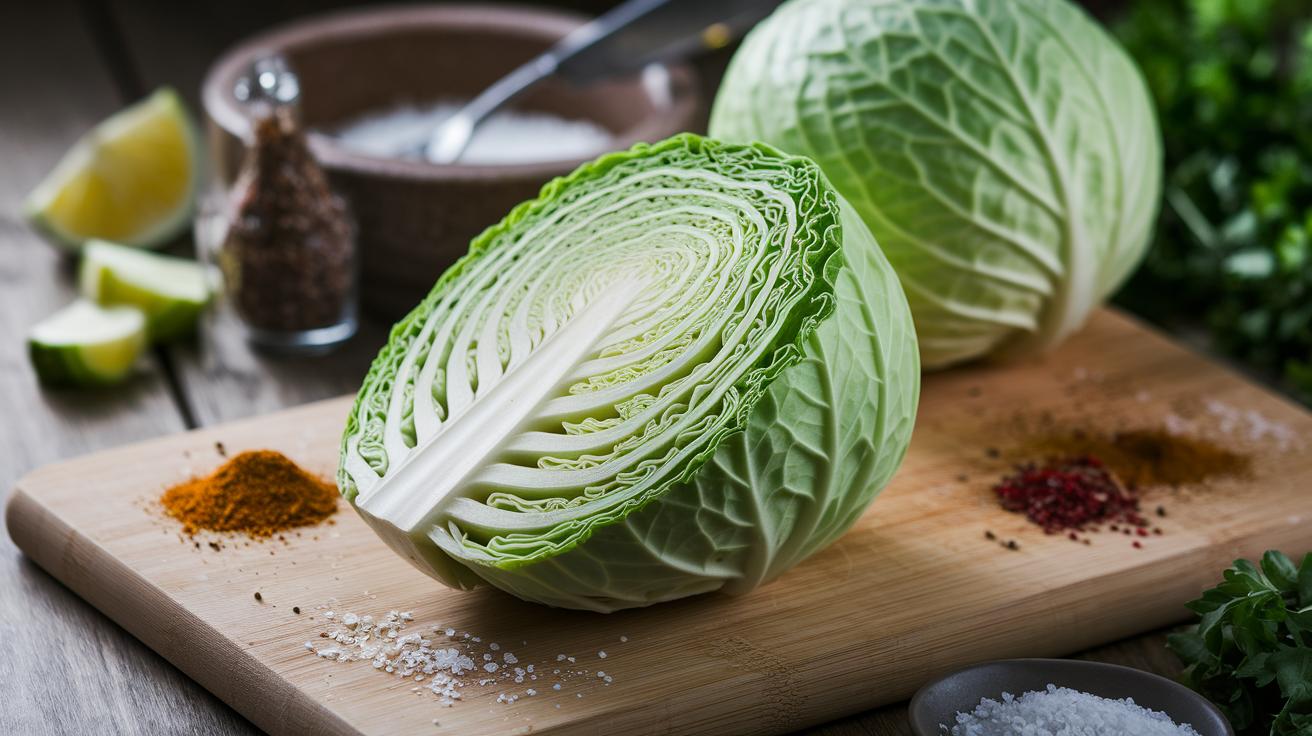
Start by grabbing a fresh 2 lb cabbage (about 1000 grams). First, peel off the outer leaves and give it a good wash. Then, cut the cabbage into thick slices and shred it finely. This hands-on approach gets you ready to create some really tasty kraut.
Next, toss the shredded cabbage into a non-metal bowl. Sprinkle about 1 tablespoon of salt evenly over it (that makes roughly a 2% salt mix). Add in some slivered garlic and any spices you like, whether it's a little caraway or just a dash of dill. Mix it all well so the salt can start pulling out the cabbage’s natural juices. If you want extra flavor, you can even gently squeeze the mix with your clean hands. Let the mixture sit for about 1 to 2 hours so that the flavors meld together nicely.
Then, pack everything into a clean glass or ceramic jar. Press the cabbage down firmly so it stays completely submerged in its own juices. Cover the jar with an airlock lid or a tightly secured cloth. This lets carbon dioxide escape while keeping any bad air out. Keep the jar in a spot that stays between 65 and 72°F and let it ferment slowly for about 1 to 3 weeks. As it ferments, you'll notice the kraut turn a lighter yellow and get a slight, translucent look. And if you choose red cabbage, expect a lovely burst of color in your homemade kraut.
| Step | What to Do |
|---|---|
| 1 | Peel off outer leaves, wash, slice thickly, and shred finely |
| 2 | Mix shredded cabbage with salt, garlic, and your favorite spices |
| 3 | Massage lightly and let it rest for 1-2 hours |
| 4 | Pack into a jar ensuring the cabbage is covered by its own juices |
| 5 | Seal and ferment at 65-72°F for 1-3 weeks |
Fermented Cabbage Variations: Sauerkraut vs Kimchi Techniques
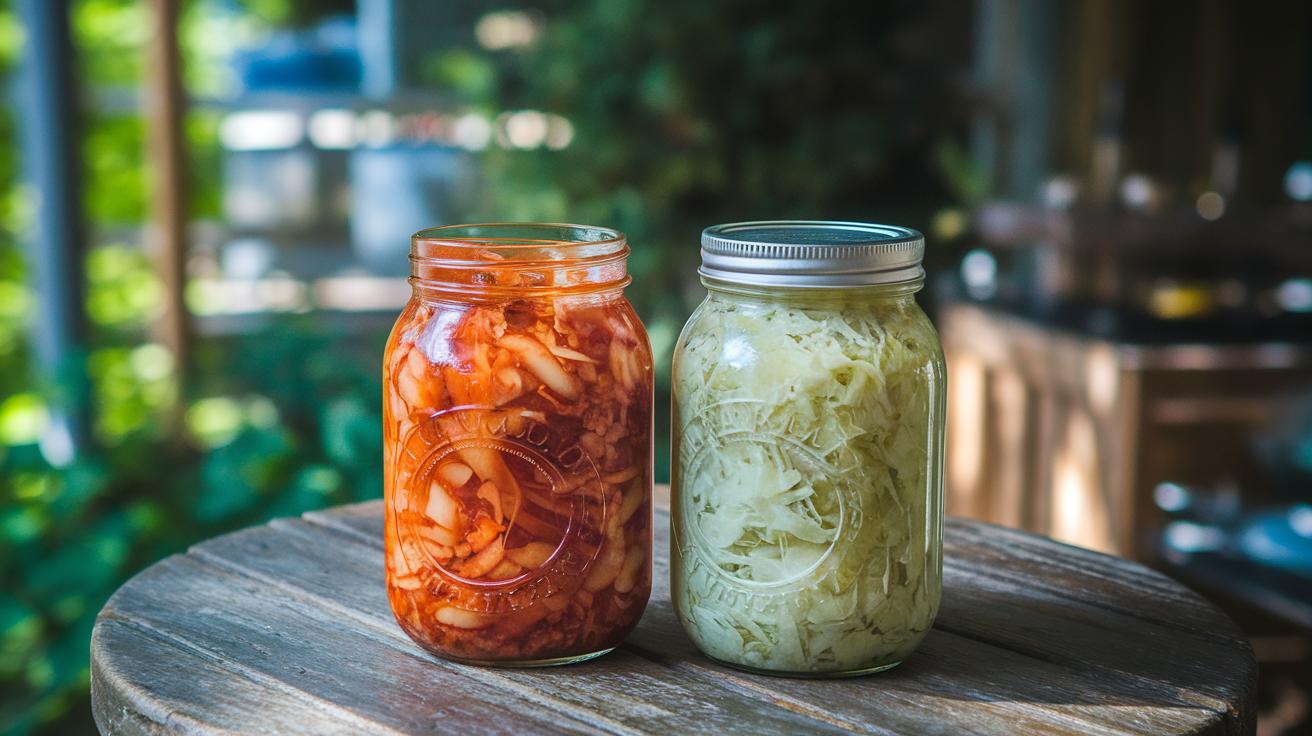
Classic sauerkraut is really simple. You just use cabbage and salt. The cabbage gets mixed with salt and then left to sit for one to three weeks. The natural bacteria on the cabbage slowly work their magic, turning it tangy and just a bit sour. Imagine slicing up a fresh cabbage, sprinkling in some salt, and packing it tightly in a jar. Soon enough, you have a crispy, tangy side dish.
Kimchi, however, is a totally different story. For genuine kimchi, you use napa cabbage along with bold, spicy extras. Traditional recipes usually call for gochugaru (red chili pepper powder), ginger, garlic, and sometimes fish sauce or just a simple salt brine. Picture this: take half a head of green cabbage, mix in plenty of ginger, and you end up with a lively kimchi variation bursting with flavor!
There are plenty of creative twists from around the world too. For instance, Green Ginger Kimchi uses half a head of green cabbage with fresh ginger for a zesty kick. Meanwhile, Purple Beet Sauerkraut blends half a head of purple cabbage with beets to give a deeper, earthy taste. Other versions include Haitian pikliz, which adds carrots and peppers, and the Vietnamese dua cai chua, which sweetens things up with a mix of sugar and vinegar. You can even mix in spices like caraway, cumin, or dill to really make it your own.
- Traditional sauerkraut: made with cabbage and salt
- Korean kimchi: uses napa cabbage with zesty, savory extras
- Global variations: fun, unique twists with different ingredients
Fermented Cabbage Health Benefits: Nutritional and Probiotic Value
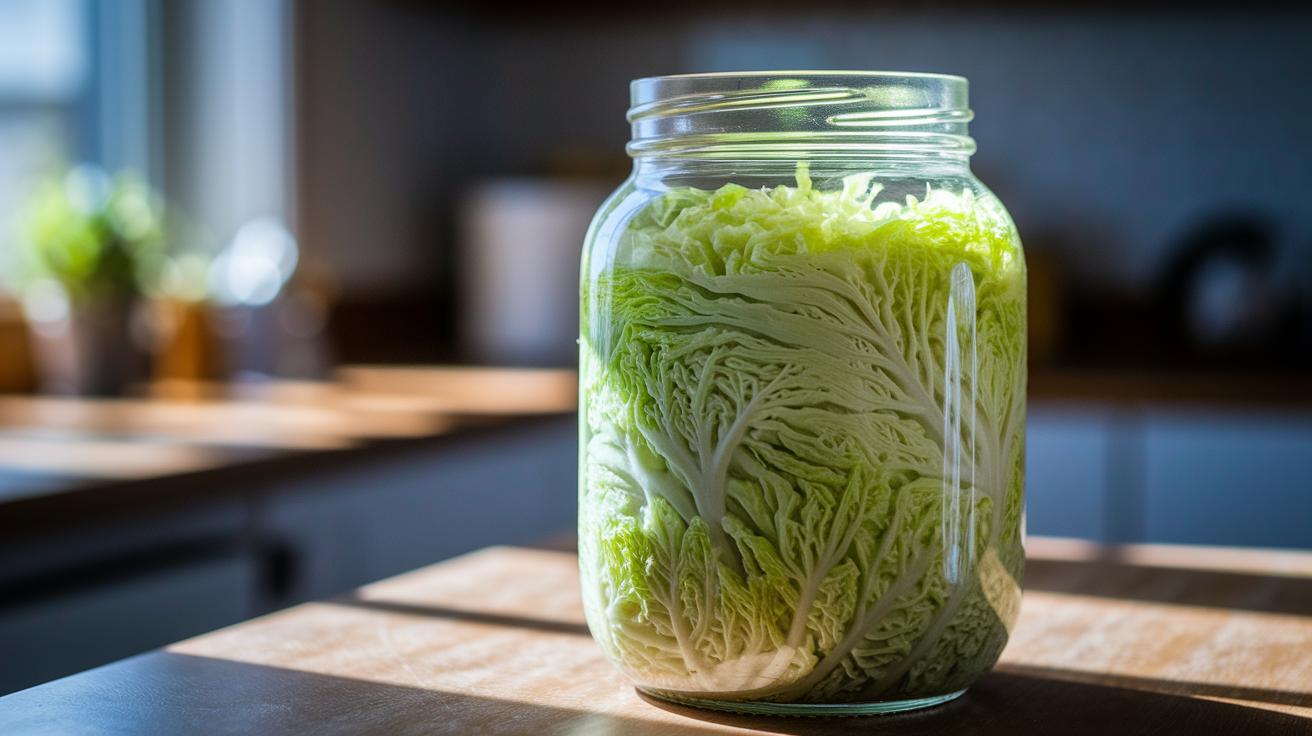
Have you ever enjoyed fermented cabbage? It’s a delicious treat filled with living good bugs that help keep your gut in balance. Those good bacteria (lactobacilli) change natural sugars into acids that are great for your tummy. This neat change not only helps you digest food better but can also give your immune system a boost.
Every batch of fermented cabbage is low in calories while packing plenty of fiber, vitamin C, vitamin K, and antioxidants. Picture a 2-pound serving that turns into a crunchy, enzyme-rich slaw that helps your body absorb nutrients and might even help with weight control. It’s like a natural, probiotic power-up for your overall wellness. Fun fact: people in ancient times loved fermented cabbage for its tangy taste and health benefits, using it as an early source of probiotics.
Try it as a side dish that lifts up any meal without adding extra calories. It works great in salads, wraps, or even in a cozy bowl of soup. Every bite brings a satisfying crunch and a tangy kick that can ease inflammation and support good digestion. The live cultures act like little helpers in your gut, making each meal feel more lively and delicious.
Fermented Cabbage Storage: Preservation and Shelf-Life Tips
After your cabbage has done its main fermentation at room temperature, pop the jars into the fridge. This cool storage helps slow down any extra fermentation, keeping that bright, tangy taste intact. Make sure you pack your cabbage in an airtight container and always keep it under the brine (that’s the salty water). It really stops any unwanted mold from showing up. I always press the cabbage down firmly so it stays nicely covered by its own juice.
If you think about freezing your kraut, just know that the freezing process might cut back on some of its healthy, live cultures. Another neat trick is trying a lower-sodium version. Using about a 1% salt ratio may let your kraut ferment for a few extra days, giving it a softer, milder flavor.
Here are some simple preservation tips for your fermented greens:
| Tip | Description |
|---|---|
| Keep it cool | Store your kraut in a tightly sealed jar in the fridge |
| Stay submerged | Ensure that all the cabbage is covered by the brine |
| Try low-sodium | A lower salt option can extend the fermenting time |
Proper storage means you'll be able to enjoy your homemade kraut for a long time, as long as it stays consistently cold.
Fermented Cabbage Traditions: Cultural and Historical Perspectives
Fermented cabbage has been savored for centuries. It all began in places like ancient China and Europe when families needed a simple way to keep their food safe during long, chilly winters. In Germany, sauerkraut quickly became a favorite dish, carrying warm old traditions down through the generations. Did you know that even in the coldest winters, many European homes kept a small jar of sour, probiotic-rich sauerkraut to brighten their meals?
In Korea, the craft of making kimchi has been honed for over 1,500 years. They mix fresh spices with the cabbage and let it ferment slowly, resulting in a dish that bursts with flavor and history. In the Caribbean, Haitian pikliz gives fermented cabbage a spicy twist that really fires up your taste buds, while in Southeast Asia, Vietnamese dua cai chua offers a unique balance of sweet and savory. Even indigenous communities honor fermented cabbage, often adding it to seasonal rituals as a sign of survival and skill.
Each style tells its own story. They all bring people together through delicious flavors and time-tested techniques that have been passed along for many, many years.
Final Words
In the action, we unpacked the art of lacto fermentation, explored simple steps to mix and pack cabbage, and compared techniques for both savory kraut and spicy twists. We touched on storage secrets and celebrated centuries-long traditions behind these tasty, healthy creations. Each section built on practical guidance and honest insights to steer you through enjoying the natural goodness of live cultures. Keep experimenting and savor the benefits of fermented cabbage.
FAQ
Q: What is fermented cabbage called?
A: The fermented cabbage is often called sauerkraut when simply salted or kimchi in a spicy Korean style. Different cultures use various names based on the ingredients in each recipe.
Q: What are some popular recipes and ingredients for fermented cabbage?
A: The fermented cabbage recipe usually starts with shredded cabbage, salt, and spices. Some variations add garlic, ginger, chili, or even seafood for an extra kick, as seen in Korean and Chinese styles.
Q: What is the proper salt ratio when fermenting cabbage?
A: The fermented cabbage salt ratio is about 1.5% to 2.5% of the cabbage weight. For 1000g of cabbage, using 15 to 25g of salt helps draw out juices and create the protective brine.
Q: How do you ferment cabbage?
A: The fermented cabbage process involves shredding the cabbage, mixing it with the right amount of salt and spices, packing it in a non-metal container, and letting it rest at room temperature for one to three weeks under an airlock or cloth cover.
Q: Is fermented cabbage good for you?
A: The fermented cabbage provides live probiotics and essential vitamins. It supports digestion, offers fiber, and may help boost your immune system, making it a beneficial addition to your diet.
Q: What’s the difference between fermented cabbage and sauerkraut?
A: The fermented cabbage is essentially sauerkraut when made with just cabbage and salt. When extra ingredients like chili and fish sauce are added, as in kimchi, the taste and texture become notably different.
Q: How do regional variations like Japanese, Korean, and Chinese fermented cabbage differ?
A: The fermented cabbage styles differ by region. Korean versions mix in chili, garlic, and seafood, Japanese adaptations tend to be milder with extra vegetables, and Chinese recipes may incorporate unique spices for a distinct flavor profile.
Q: How does fermented cabbage compare with other fermented products like kefir, kombucha, miso, and tempeh?
A: The fermented cabbage is a crunchy vegetable food rich in probiotics, while kefir and kombucha are liquid ferments. Miso and tempeh, made from beans, offer different textures and nutrients but share the benefits of fermentation.


