
Ever thought the tangy snack you love might end up upsetting your stomach instead of soothing it? Fermented foods pack good bacteria (those helpful germs that improve digestion), yet too many might throw your gut off balance. Some studies even suggest they can lead to stress, gas, or bloating.
The idea is simple. Enjoy these foods in moderation to keep your gut happy and healthy. In this post, we'll chat about how overloading your system can cause discomfort and why being mindful about what you eat is so important.
Fermented Foods Health Risks Overview
Fermented foods pack in good bacteria that help our guts, but having too many can bring along some unwanted side effects. Studies have shown that eating too much can cause gas, bloating, and an upset stomach. It seems like when you overload your system with the same types of bacteria, it pushes out the variety that your gut needs. One study with 372 medical students even found that having more than 3.5 cups a week was linked to feeling more stressed, depressed, and anxious during exam time. It’s kind of like drinking too much water – you need it, but too much can throw your balance off.
Some research tells us that just trusting the sour or tangy taste to mean these foods are fresh might be a trap. Even if they taste just right, if they’re stored badly or not made properly, they might develop harmful byproducts. That’s why keeping a close eye on the fermentation process matters so much. Good quality control can stop bad batches from sneaking in risks you can’t detect by taste or smell. Also, science backs up the idea that mixing fermented foods with things like fiber, prebiotics (foods that feed the good bacteria), and omega-3s (fats that are good for you) helps keep your gut happy and diverse.
In short, the trick is to enjoy fermented foods in moderation. Mixing them with a range of other nutrients helps build a strong gut while lowering the risk of taking in too many of these potent bacteria. Watching your portions and ensuring they’re made right means you can enjoy the old-school health benefits without the drawbacks.
Digestive Side Effects of Fermented Foods
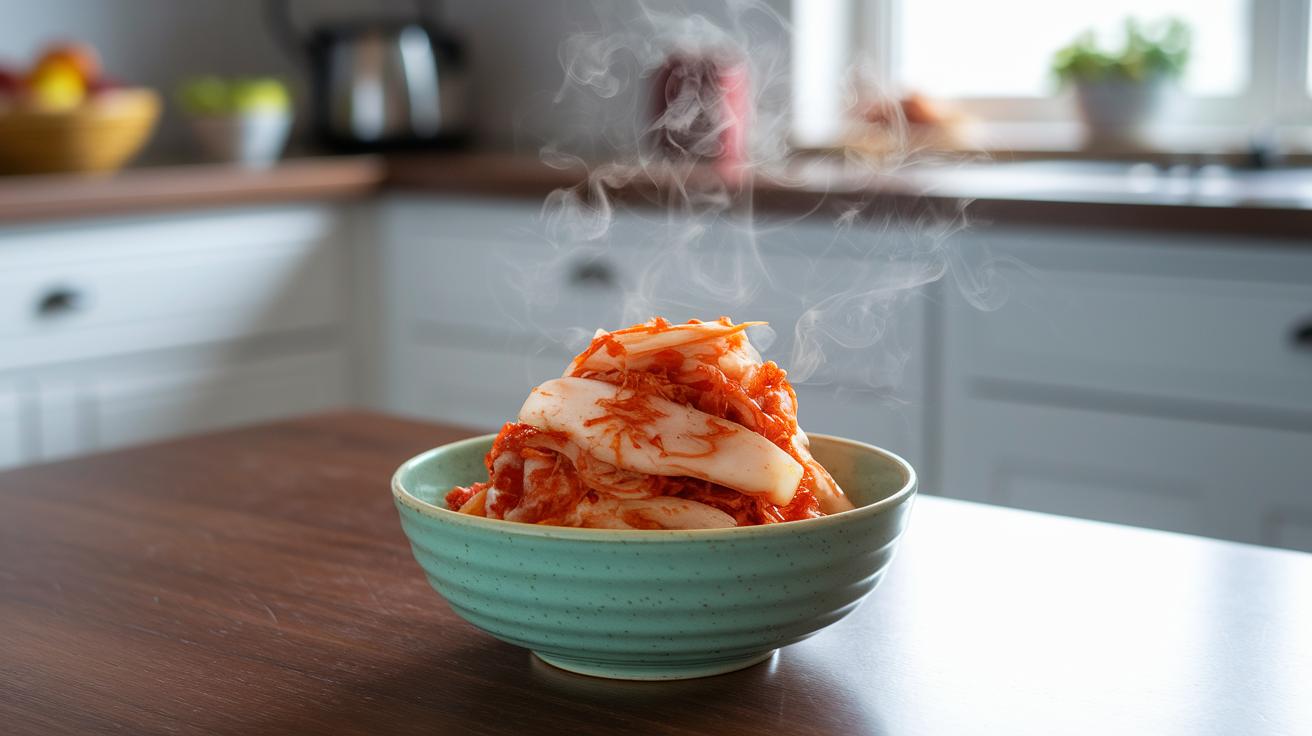
Fermented foods bring along lots of good bacteria, but having too many at once might throw your gut off track by cutting down on the mix of normal microbes. When one type jumps up quickly, you might feel bloated, gassy, or even have diarrhea. One curious example: a person shared that just a small spoon of kimchi every day cut their bloating and gave their gut time to adjust.
It helps to introduce these foods slowly. Start with a tiny serving and add a little more over a few days. This gradual shift lets your stomach get used to the change without overwhelming your natural gut bugs. Experts and personal experiences back up this careful approach.
- Bloating
- Too much gas
- Diarrhea
- An unbalanced mix of gut bacteria
Eating moderate servings along with fiber-rich and prebiotic foods can ease your digestive worries over time. Listen to your body and adjust your portions so your gut finds its own balance and you lower the risk of long-term discomfort.
Histamine Risks in Aged Fermented Foods
Fermented foods like aged cheese and pickled veggies come with natural chemicals called histamine and tyramine. These help our bodies work normally, but when your system is a bit slow breaking them down, they might trigger headaches, hives, or itchy skin. It's a bit like using too much spice in your meal, a little adds flavor, but too much can upset your stomach.
Even if something tastes sour or tangy, it doesn't mean it's safe for you if you have a sensitivity. Any aged food might have higher levels of these chemicals if your body isn't ready for them.
If you start feeling a headache or notice your skin acting up after eating these foods, keep an eye on what you're eating. I once heard about someone who stopped eating aged cheese and found that their recurring headaches vanished. It might be a good idea to slowly cut back on these foods and chat with your doctor about your symptoms.
Pathogen and Contamination Dangers in Fermented Products
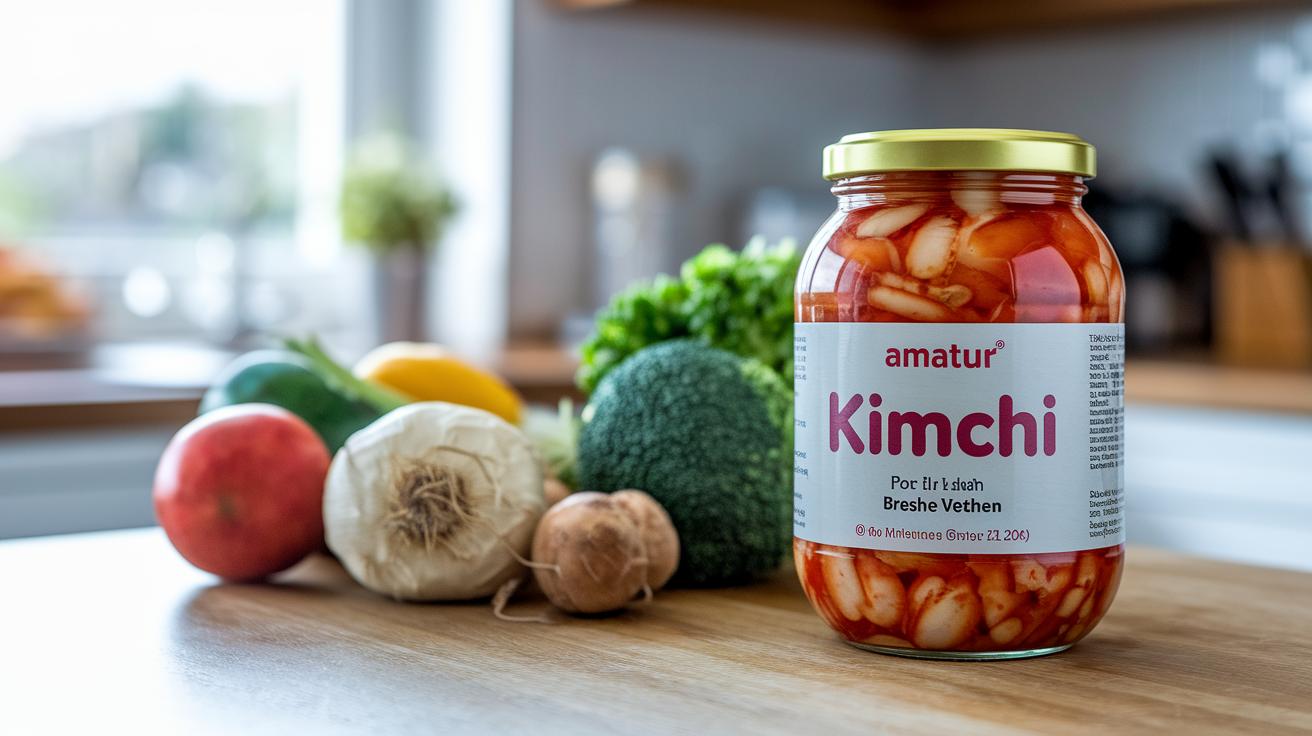
Fermenting foods takes care and attention. Keeping the right conditions makes a big difference between a safe, tasty product and one that could hide dangerous germs. If the temperature goes above 40°F or your tools get dirty, it sets the stage for bacteria like Listeria and E. coli (a type of germ that can make you sick) to multiply. Even if everything looks and tastes fine, these risks might be growing quietly. Knowing the key points in the process is super important to avoid trouble.
You might not always see or smell mold spores or harmful bacteria. Sometimes, food that seems just right can actually be unsafe. There have been plenty of cases in small-scale and home fermentation where problems occurred because strict guidelines were ignored. Relying only on a sour taste or the look of the food isn’t enough to keep things safe.
Good cleaning and using the right equipment can really cut down these risks. Always stick to the set temperature and wash all your containers well. A little sourness, while tasty, shouldn’t be taken as proof that preservation was done right. The best way to fend off foodborne illnesses in fermented foods is to follow the proper steps and check your setup every day. Trust me, a little extra care goes a long way.
High Sodium and Nutritional Imbalance Concerns in Fermented Foods
Many of us enjoy the tangy bite of fermented foods, but sometimes they come with more salt than you'd expect. This extra salt can mess with your body’s balance and even put extra pressure on your heart. If you’re watching your blood pressure or just trying to eat healthy, it's a good idea to know how much salt you're really getting.
| Fermented Food | Sodium Content (mg per 100 g) |
|---|---|
| Sauerkraut | 800 |
| Kimchi | 600 |
| Pickles | 500 |
It can be really smart to keep an eye on how much of these salty treats you eat. Try pairing a little fermented snack with fresh veggies and foods that are low in sodium. And when you get a chance, check the nutrition labels so you know what you’re really taking in. By being a bit more mindful about how you add these foods to your meals, you can still enjoy their zesty flavor without overloading on salt.
At-Risk Groups and Fermented Food Contraindications

Histamine-Intolerant Individuals
If your body struggles with histamine, you might get headaches or skin flare-ups after eating aged ferments. Sometimes even a little bit of histamine in foods like old cheese or pickled veggies can cause discomfort. It might be best to cut down on these or pick foods that naturally have less histamine.
Immunocompromised Patients
If your immune system isn’t strong, living microbes in fermented foods could be risky. These foods might introduce bacteria that could make you sick all over. In such cases, it’s a smart idea to either avoid these foods or keep them to a minimum.
Pregnant Women and Infants
Those who are pregnant or babies younger than one year should be cautious. Raw cheeses, fermented meats, and ferments made with mold can have live bacteria that might not be safe for them. Instead, they should stick to pasteurized options that are a safer choice.
Digestive Disorder Sufferers (IBS/IBD)
If you have digestive troubles like IBS, IBD, or sensitivities to FODMAPs (certain types of carbohydrates that might upset your stomach), fermented foods might lead to more bloating or even diarrhea. It’s wise to watch how your body reacts and adjust your diet to keep discomfort at bay.
Sodium-Restricted Diets
A lot of lacto-fermented foods pack in a lot of salt. For anyone on a diet where salt needs to be limited, too much can put stress on your heart and blood pressure. Reading labels carefully and enjoying these foods in moderation can help manage that salt intake.
Safe Practices and Guidelines for Fermented Food Consumption
When you're fermenting food, keep an eye on any changes in smell or texture. If something seems off, like a sour scent or a different feel, use pH strips (tools that show how acidic or basic something is) and a food thermometer to check that your mix is sitting between 65°F and 72°F. Even a small shift in temperature can bring on changes you don't want.
Start by testing a little bit of your batch with these tools. For example, if your brew starts to develop a slightly sour smell, check its pH to see if it has fermented correctly. Have you ever noticed how a tiny difference can signal a bigger problem? It's a good idea to get into the habit of checking early on.
Also, pay attention to your body after you eat. If your batch shows signs like fuzzy growth or odd smells, or if you end up feeling a bit off in your stomach, don't hesitate to talk to a professional. It helps to be careful and listen to your gut, literally.
Final Words
In the action, we explored the risks tied to fermented foods, from digestive upset with bloating and gas to potential histamine overload that can trigger headaches. We broke down how improper storage might invite contamination by harmful bacteria, and we discussed the sodium issues linked to products like sauerkraut and kimchi.
The post also highlighted groups that need to be cautious and shared safe practices to follow. Overall, thoughtful consumption can help manage the dangers of fermented foods and keep you feeling your best.
FAQ
Who should not eat fermented foods?
Individuals like pregnant women, infants, those with weakened immune systems, or people sensitive to histamine should avoid fermented foods to reduce the risk of adverse reactions.
What are some disadvantages of fermented foods?
Fermented foods can cause digestive issues such as bloating, excess gas, diarrhea, and even disrupt the natural balance of gut microbes, especially when eaten in large amounts.
What dangers are mentioned in the fermented foods PDF?
The PDF highlights risks like pathogen growth, unwanted histamine buildup, high sodium intake, and digestive discomfort if fermentation practices aren’t carefully followed.
When is the best time to eat fermented foods?
The best time to enjoy them is with or shortly after a meal since pairing them with a balanced diet helps your gut adjust to the probiotics and reduces discomfort.
What are some examples in the top 10 fermented foods?
Top choices include sauerkraut, kimchi, yogurt, kefir, kombucha, miso, tempeh, pickles, sourdough, and natto, each offering a unique taste and potential health boost.
What benefits do fermented foods offer?
Fermented foods deliver gut-friendly probiotics that help digestion and boost immunity while adding a tasty zing and variety to your daily meals.
Is it safe to eat fermented foods every day?
Daily consumption can be safe when portions remain small and balanced with other nutrients; too much may trigger digestive upset for some individuals.
What are the side effects of fermented foods?
Common side effects include bloating, excess gas, diarrhea, and an imbalance in gut flora, especially if your body isn’t used to the probiotics in large quantities.
Are fermented foods inflammatory?
Fermented foods aren’t typically inflammatory, but if you’re sensitive to histamine or high sodium, you might experience mild inflammation or discomfort.


