
Have you ever thought about why a full picture sometimes says more than just its parts? Think of it like a puzzle, where each piece shows a hint of a bigger image. Small actions, ideas, or choices all work together to shape our lives. Sometimes, we mix our gut feelings with clear thinking to spark creative results that surprise us. In this post, I'll share how looking at the whole scene can lead to fresh ideas and better solutions.
Defining Holistic Thinking: A Complete Perspective
Holistic thinking is all about seeing problems as more than just separate parts. It looks at situations as pieces of a bigger puzzle. You can say that every choice we make touches on our mind, body, and spirit. Even the small hints in our body language can matter a lot. This way of thinking started when people began to question the old habit of focusing on one tiny piece at a time.
This idea comes from a long history of thinking that everything is connected. Early scholars began seeing problems as webs instead of simple chains of events. They didn't just look at their immediate tasks; they asked, "How does this affect the rest of the picture?" In truth, it helps us notice details that may not be obvious, mixing gut feelings with clear, logical thought.
- The connection between different parts
- A clear sense of the surroundings
- Seeing the full picture instead of just one piece
- Questioning the basic assumptions
- Understanding hints from body language
- Weighing the cost of missed chances
To take it all in, you develop a mindset that looks at the whole picture. People who think this way never take things at face value. They ask plenty of questions to peel back the layers of everyday details. They consider not only the job at hand but also how each part fits into the larger system. When we mix clear thinking with our gut feelings, it's like reading the soft signals around us. This balanced way of looking things over creates a space where personal growth and creative ideas can really take off.
Theoretical Frameworks Underpinning Holistic Thinking

Holistic thinking comes from a mix of ideas that are all connected. It lets us view the world as a living, breathing system where every part matters. By blending careful analysis with gut instincts, this approach helps us see things clearly and get creative. It also draws on ideas from many fields, so we can understand how different pieces interact in new and unexpected ways.
Systems Thinking
Systems thinking lets us see problems as ever-changing processes with parts that depend on each other. Think of it like a garden, where each plant, insect, and drop of water plays its part. This way of looking at things shows us that one small change can affect many areas, often leading to long-term effects we might not see right away.
Integrative Reasoning
Integrative reasoning is all about putting together ideas from different areas to form one big picture. Imagine mixing colors on a palette; each shade adds to the overall artwork. When we combine insights from science, art, and everyday life, we uncover hidden links. By questioning what we assume and exploring different viewpoints, this method sparks creative ideas for solving problems.
Gestalt Cognition
Gestalt cognition focuses on the overall patterns that emerge instead of just looking at separate details. Picture gazing at a constellation in the night sky; a single star might seem ordinary, but together they tell a beautiful story. This way of thinking encourages us to notice trends and relationships, giving us a clearer picture of how everything fits together.
Together, these ideas mix careful thought with creative leaps. They offer a well-rounded way to make smart decisions, helping us understand not just each part but the meaningful connections between them that can lead to real, creative change.
Holistic Thinking Versus Analytical Thinking
Analytical thinking is a bit like following a simple recipe; you take one step at a time. You break a problem into small pieces and handle each one on its own. Holistic thinking, on the other hand, makes you step back and see everything as a whole. It helps you notice how different parts work together and how they might shape the future. Sometimes, if you focus only on tiny details, you miss the big picture. Have you ever seen how switching between detailed steps and a broader view can bring a fresh, creative twist?
| Approach | Key Features | Typical Use Case |
|---|---|---|
| Analytical Thinking | Breaks problems into smaller parts and follows clear steps | Tasks that need quick, clear solutions |
| Holistic Thinking | Looks at how parts affect each other and long-term results | Situations where the overall impact is important |
| Hybrid Approaches | Merges detailed analysis with a big picture view | Complex challenges that need both focus and vision |
When picking a method, think about your goal. Use analytical thinking if you need quick fixes. But, if a situation calls for both clear details and a sense of the whole system, a mix of both methods might be just right.
holistic thinking Sparks Creative Impact

Holistic thinking can change the way companies plan and act. It means every part of an organization is seen as part of one big system. Leaders no longer just work in small bits. Instead, they make choices that help the whole company work together, like pieces of a puzzle. For instance, when launching a new product, smart leaders think about how each decision will affect marketing, operations, and customer care. In healthcare, doctors and nurses blend physical, mental, and social care to treat the whole person. Even in environmental management, planners look at nature as one connected system so that both resource care and community welfare can last over time. Think of it like one drop of water making ripples all around.
In schools, holistic thinking changes how subjects mix together. Educators create courses that bring different topics into one to spark creative problem-solving and teamwork. Non-profit groups and community leaders also benefit from this broad view. By taking a wide-angle look at everything, they match programs to what local people really need and make sure every voice is heard. This approach brings fresh ideas to charity work and local projects, connecting small details into a complete and meaningful picture.
Benefits of Embracing Holistic Thinking
When you mix together many different factors in your decisions, you tend to make better choices and catch problems early. It’s like planning a community event where you check every little detail, just as you would pick the best path for a long road trip. Thinking about both the short and long-term effects helps you notice issues before they turn into real troubles.
This way of thinking also opens the door to creative problem-solving. Imagine a random comment in a brainstorming session sparking a breakthrough in product design. By connecting ideas from different areas, new and useful solutions can pop up when you least expect them.
Also, this method brings people together as a team. When everyone sees how their part fits into the whole, it’s easier to work together. Sharing your role in the big picture makes conversations flow and builds a team that’s strong and ready to face challenges head-on.
Developing Holistic Thinking Skills
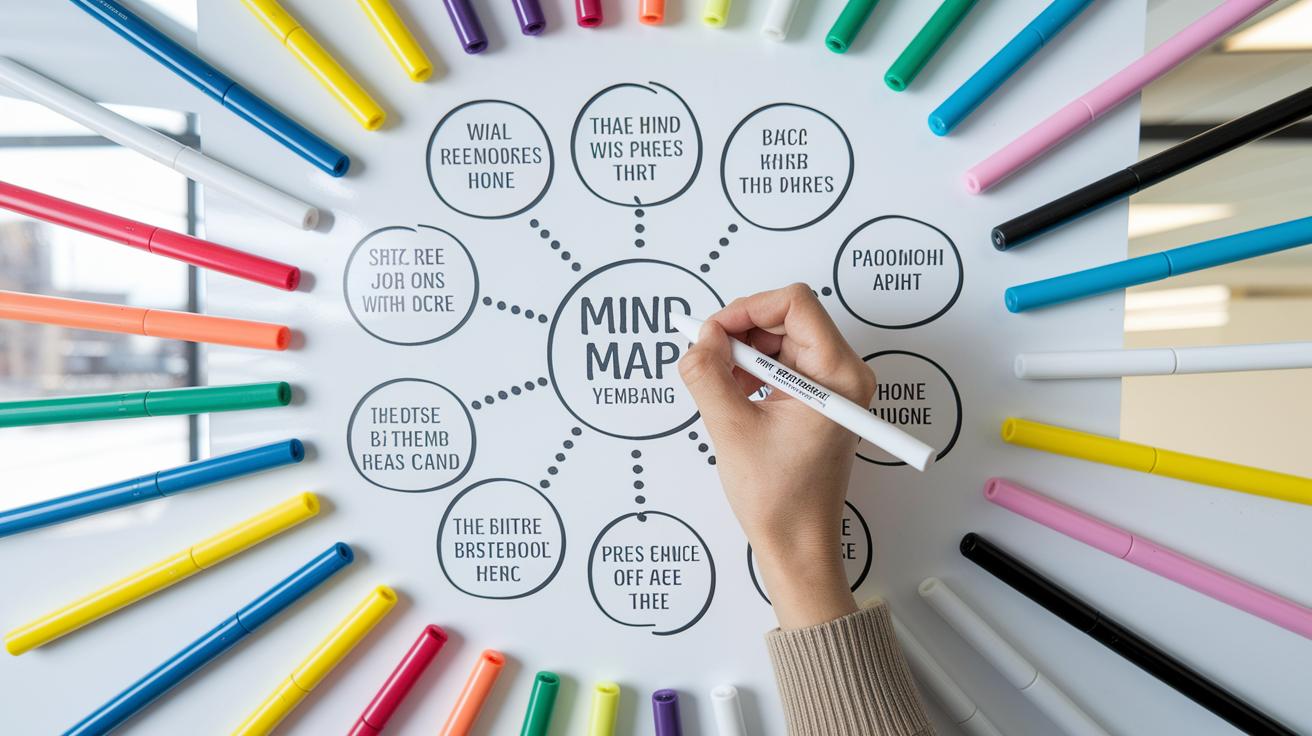
Building a way of thinking that fits every idea into a bigger picture starts with everyday habits. It’s about noticing how different thoughts and experiences link together, whether you’re planning for next month or looking back on the past. For example, trying out scenario exercises can help you see how the choices you make now might change your future.
A big part of this skill is doing simple brain exercises. Mind maps are a great tool for this. They let you see how ideas and people connect, kind of like drawing a family tree for your thoughts. You start with one idea and then add related ideas around it. Also, asking basic questions like, “What is this idea made of?” can help break things down. This simple trick can clear up confusion and even spark a fresh way of seeing things.
And when it comes to working with others, it's super helpful to build habits that let you look at problems from different angles. Regular team meetings can show you parts of a problem you might have missed, and having feedback sessions lets everyone share their insights and adjust plans. Whether it’s a planned discussion or a casual chat, these moments help you pick up on hidden patterns that steer projects toward a more unified goal.
In short, mixing these brain exercises with regular group chats and reflections gives you a strong, all-around way of thinking.
Final Words
In the action, we examined holistic thinking as it ties together mind, body, and practical insights. We unraveled how seeing things with a big picture perspective can change health, business, and education. Short exercises like mind maps and first-principles questioning show how everyday choices add up. Our look at core principles reminds us that combining clear steps with broad thinking helps us make wise choices. Embracing holistic thinking brings a fresh, positive edge to improving everyday health outcomes.
FAQ
What is the meaning of holistic thinking?
The meaning of holistic thinking is a mindset that views challenges as interconnected systems, where all parts and contexts are considered to craft well-rounded solutions.
What is an example of holistic thinking in real life?
An example of holistic thinking in real life is when a leader examines economic, social, and environmental factors together to solve an organizational problem without isolating one element.
What is holistic thinking in psychology?
The concept of holistic thinking in psychology means how individuals process information by considering overall patterns and relationships, rather than breaking things down into isolated details.
What is a holistic thinker?
A holistic thinker is someone who looks at problems by considering the whole picture, integrating various factors like context, relationships, and potential long-term effects.
What is holistic systems thinking and how does it differ from systems thinking?
Holistic systems thinking refers to combining overall human and environmental factors with interconnected networks, while systems thinking typically focuses on feedback loops and mechanical interactions across parts.
What is the opposite of holistic thinking?
The opposite of holistic thinking is linear thinking, which isolates individual components and follows a step-by-step process instead of looking at all interconnected elements.
How do linear and holistic thinking differ?
Linear and holistic thinking differ in that linear thinking focuses on separate steps, while holistic thinking embraces the full context, recognizing how each part relates to the broader picture.
What are the benefits of holistic thinking?
The benefits of holistic thinking include improved decision quality, reduced risks by considering broader contexts, and enhanced creativity by integrating diverse ideas into a comprehensive approach.
What is a synonym for holistic thinking?
A synonym for holistic thinking is big-picture thinking, which emphasizes seeing the complete context and how various factors interrelate rather than isolating specific details.
How does holistic thinking assist in problem solving?
Holistic thinking assists in problem solving by encouraging a comprehensive view that blends analytical reasoning with creative insights, ensuring that solutions address both immediate issues and long-term impacts.


