
Ever thought that home care might really save lives? Remote monitoring makes that possible. It works by using simple wearables and everyday home tools to catch health issues before they turn urgent. Imagine someone with heart problems feeling safe at home because their smart device keeps everyone in the loop. Instead of waiting until there’s a crisis, care becomes a constant, gentle watch. It’s a new way to boost health while keeping help close at hand.
Comprehensive Overview of Remote Patient Monitoring Solutions
Remote patient monitoring solutions mix telehealth and RPM systems to improve care coordination and clinical results while keeping costs low. These platforms help hospitals lower patient stays by offering virtual health checks across 16 different care settings. For example, picture a patient with serious heart disease being watched over at home with regular updates from connected blood pressure monitors and wearables. This approach shifts care from waiting until problems arise to spotting issues early on.
These systems work especially well for cost-effective home monitoring in underserved areas and for people in palliative or end-of-life care. They support patients with chronic conditions like heart disease and diabetes by helping them stick to their treatments and feel more satisfied with at-home care. With fewer readmissions, patients get timely help that leads to better long-term health.
Another big perk is the extra income these tools can generate. The scalable in-home platform works with any electronic health record (EHR) system, making billing smoother through telehealth payment options. Combined with full logistics and inventory management, these solutions build steady revenue streams while providing real-time support. Providers even get 24/7 technical assistance and guidance on telehealth reimbursements, ensuring a smooth experience from start to finish.
It’s worth noting that these systems have won the Best in KLAS award for RPM four years in a row, proving their consistent impact on clinical care. With the RPM market valued at $8.5 billion in 2023 and expected to grow by 34.9% through 2030, these remote care solutions are truly changing the way virtual health and telehealth monitoring improve patient care.
Remote Patient Monitoring Device Ecosystem
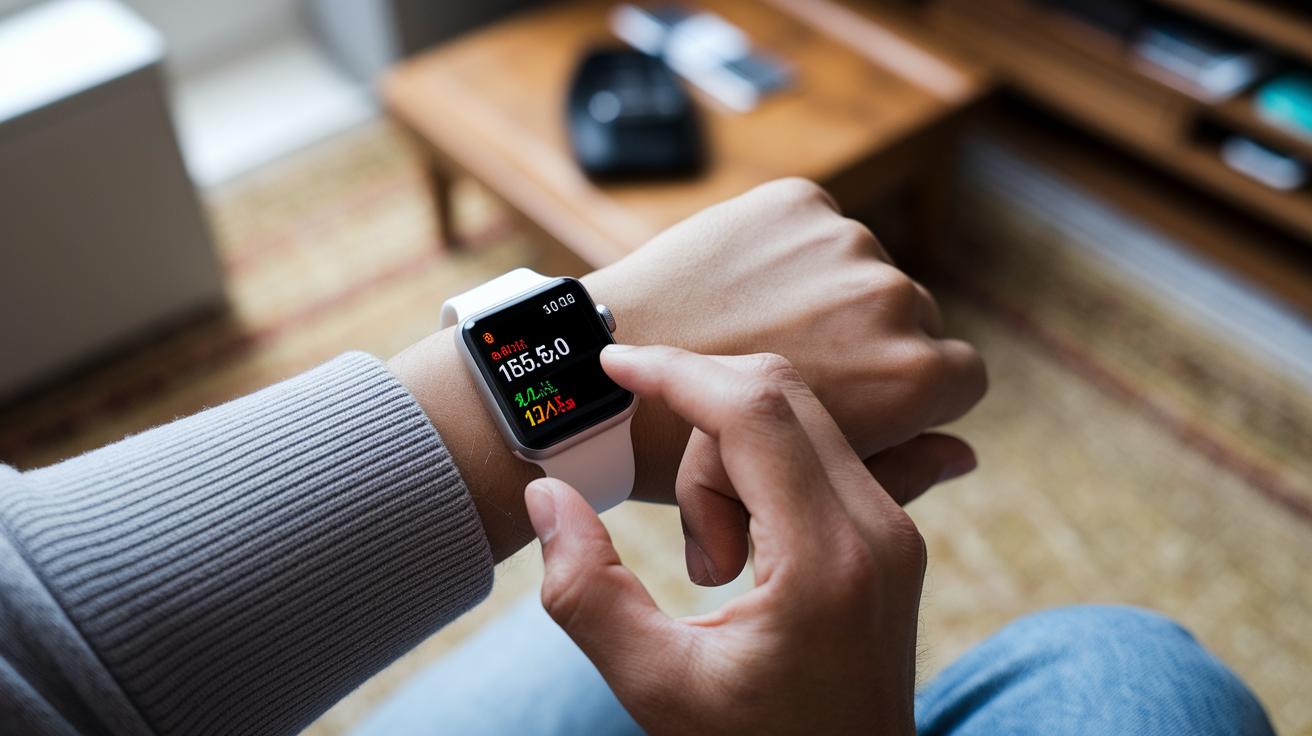
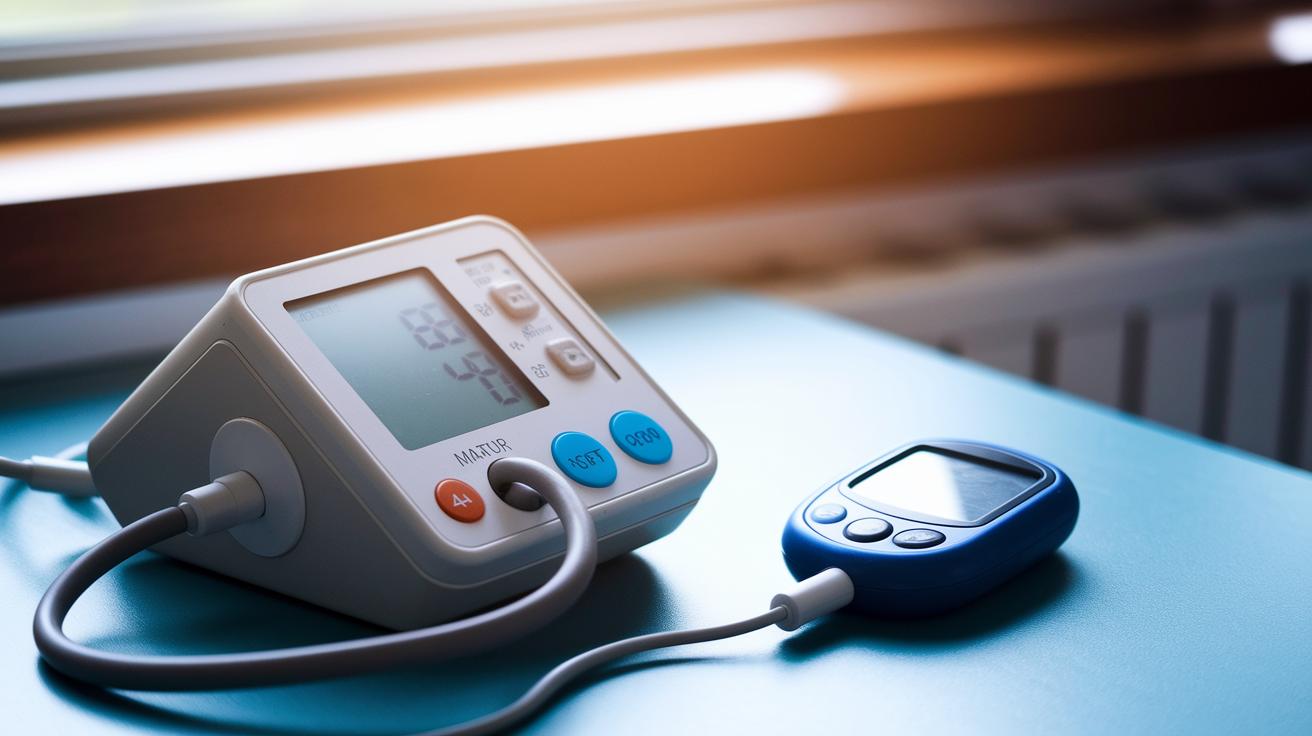
Remote patient monitoring systems use a mix of smart wearables and home devices to keep track of your health. They help both patients and their care teams stay in touch with important health signs all the time. For example, blood pressure cuffs give instant heart rate and blood flow info so doctors can catch any changes quickly.
Glucometers keep an eye on your blood sugar all day, while pulse oximeters check oxygen levels and pulse. This way, if something seems off, care providers know right away. Some devices, like the combo of an ECG and a stethoscope, capture detailed heart and lung sounds. This gives a closer look at your heart and breathing health.
Activity trackers such as Fitbit or Apple Watch monitor your daily steps and overall movement trends. Bluetooth thermometers offer quick temperature checks, and Bluetooth scales keep track of weight changes, which is key for people managing heart issues like CHF (a condition where the heart doesn't pump well). All these at-home sensors send their data straight to special software that alerts care teams when a number goes out of range.
Imagine a patient wearing a device that sends an alert when their pulse suddenly shifts. It’s one small change, but it plays a big role in keeping everyone on top of the situation and ensuring the data stays accurate.
Remote Patient Monitoring Solutions: Elevating Care
RPM platforms connect easily with any EHR system, making everyday clinical work smooth and clear. They use care frameworks that are built to work together (think of it like puzzle pieces fitting perfectly). For example, a doctor might check six different care platforms all in one handy portal. It’s like having all your health records neatly organized in one file, which makes fast decisions a lot easier.
These systems also come with solid reporting and analytics that turn a jumble of data into simple, clear trends. Imagine getting an alert when small changes in a patient’s vitals show up so that care can be adjusted before a small issue grows. Pretty neat, right?
Providers also get support around the clock and friendly advice on telehealth billing, which really helps busy practices feel at ease. Plus, many systems include a five-part telehealth certificate program made just for their partners.
- Real-time updates from six different platforms
- Ongoing analytics for quick, proactive changes
- Full support to make system integration a breeze
All this helps lower the day-to-day workload while boosting clinical efficiency. It’s a win-win that creates a more responsive, data-driven care environment.
Data Security and Regulatory Compliance in RPM Solutions
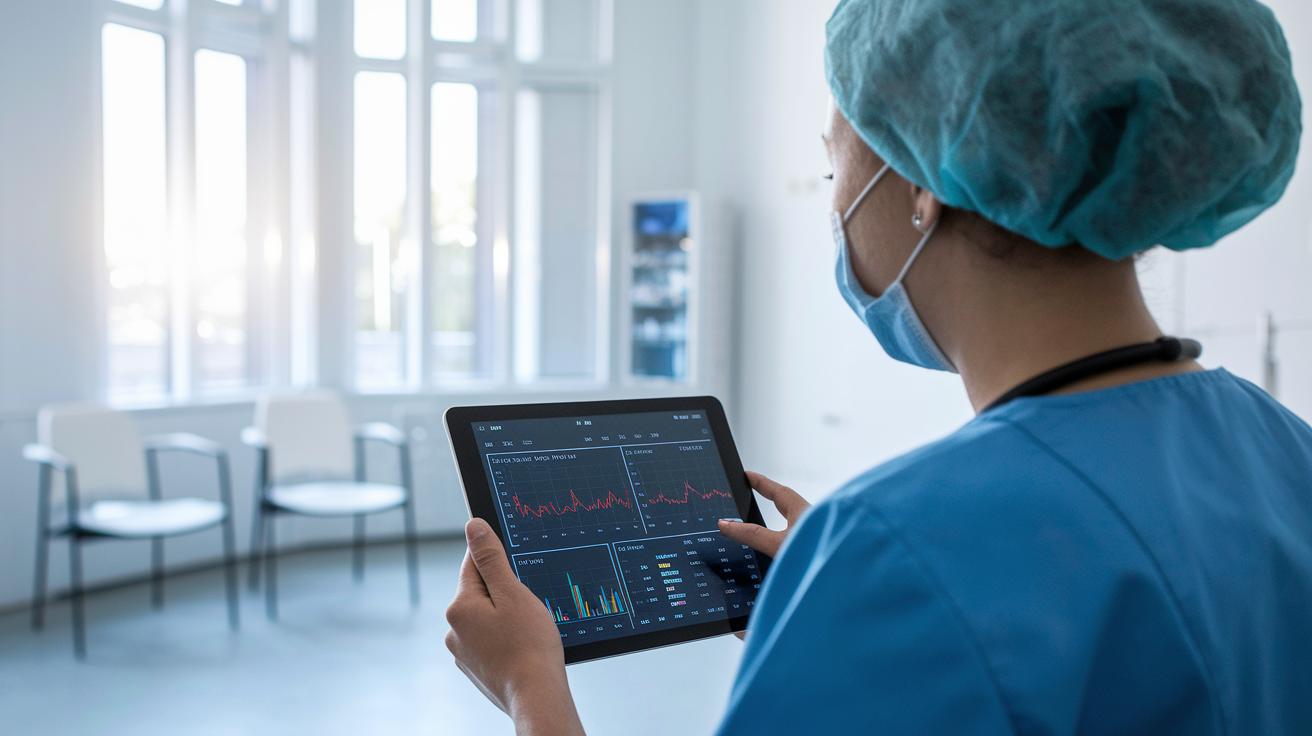
RPM systems keep patient info safe by using strong encryption and HIPAA-approved storage (HIPAA means special rules for keeping health information private). They also use home sensors that are FDA-approved, which means they meet strict standards for setup and data storage so everything stays accurate. Every time someone checks the data, the system writes it down in a log, making it easy to see who accessed what and when. For example, a connected blood pressure monitor saves each reading securely so health teams can easily track any changes.
These systems stick to all the right billing codes, like 99453, 99454, 99457, and 99458, which means billing follows the official rules exactly. Care providers get extra help with audits and risk management support built right into the service, so any time digital health data is looked at, it's all tracked. This careful approach makes it much harder for security problems to happen. It also helps ensure every device meets telehealth guidelines, protecting our health information in the digital world. Regular checks and system updates keep everything safe and in line with the rules.
Use Cases and Clinical Impact of Remote Patient Monitoring
Remote patient monitoring really helps people manage long-term health issues like heart problems, diabetes, and COPD (a lung condition that makes breathing hard). Imagine someone with diabetes who gets a quick alert when their blood sugar shifts suddenly. This lets doctors step in immediately. It’s a smart way of catching problems early, and it can cut hospital readmissions by as much as 15%.
Doctors can now watch changes in a patient’s vital signs (like heart rate and blood pressure) as they happen. One study found that regular at-home checks cut hospital stays by 20% for those in palliative care (special comfort-focused care), letting patients stay relaxed and comfortable at home instead of facing the stress of a hospital.
These systems cover 16 different care settings, which means clinics can handle more patients who need a close eye. Studies also show that patients stick to their medication schedules about 30% better when they know someone is tracking their progress. And when patients feel cared for all the time, satisfaction jumps by roughly 25%.
For those in remote or low-resourced areas, 24/7 monitoring is a game changer. It makes sure that even underserved folks get expert care. By keeping constant tabs on chronic conditions, doctors can spot issues early and provide care that stops problems before they get worse.
Comparative Analysis of Leading RPM Vendors
HealthSnap really sets itself apart by using devices like scales, blood pressure monitors, glucose meters, and pulse oximeters that work with cell connections. These devices can bring in about $1,883 for each patient each year. The cool part is that the data comes in almost right away so the care team can jump in quickly if something seems off.
Then there's Optimize Health. They get things moving fast with a 60-day reimbursement plan that helps providers see money quickly. On top of that, their design is super user-friendly and the coaching is affordable. It’s a nice all-around option if you want to see results sooner rather than later.
Cadence Care is well-known for checking vital signs every day and offering custom-made clinical plans that help hospitals cut down on long stays. Athelas is another option; it uses SIM-connected devices (gadgets that use a SIM card like a cell phone to send data) for non-stop data tracking so patients are always under watch.
Health Recovery Solutions brings years of trust with systems like PatientConnect Core, Mobile, and Voice that have been tried and tested in top hospitals. Accuhealth grabs attention by giving free EHR (electronic health record, a digital record of patient information) integration, full-day clinical and billing help, and strong checking systems to make sure everything stays in line. TimeDoc Health also plays a key role by fitting neatly with EHR systems, sending custom alerts, and monitoring several chronic conditions at once.
- Devices that gather data all the time in near real-time
- Revenue plans that work through clear reimbursement strategies
- Easy-to-use interfaces made for smooth clinical workflows
- Round-the-clock support services
These vendor highlights give a clear picture of the many strengths available. This helps healthcare teams pick the right RPM platform to boost patient care and streamline everyday work.
Pricing Models and ROI for Remote Patient Monitoring
RPM solutions come with different pricing options that help keep care monitoring affordable for both providers and patients. There are subscription plans, monthly fees for each patient, and even device leasing. For example, a small clinic might spend between $30 and $100 per patient each month, which makes the whole setup budget-friendly.
Reimbursements using CPT codes 99453 to 99458 (billing codes used in healthcare) add an important financial boost. Providers can earn about $600 to $1,200 per patient every year. Imagine a practice with 1,000 patients using RPM, it could bring in an extra $600,000 to $1,200,000 every year. Pretty neat, right?
- Subscription models keep costs steady and predictable.
- Per-member monthly fees grow as patient numbers increase.
- Device leasing lowers those large upfront costs.
Plus, these systems can cut hospital readmissions by 15 to 20%. This not only saves money but also eases the pressure on hospitals. Some experts even say that virtual care could one day help reduce annual healthcare spending by around $250 billion. And many providers see a return on their investment in less than 12 months. All in all, RPM turns remote monitoring into a practical way to boost patient care and support financial health for clinics, patients, and the wider healthcare community.
Step-by-Step Guide to Implementing a Remote Patient Monitoring Program
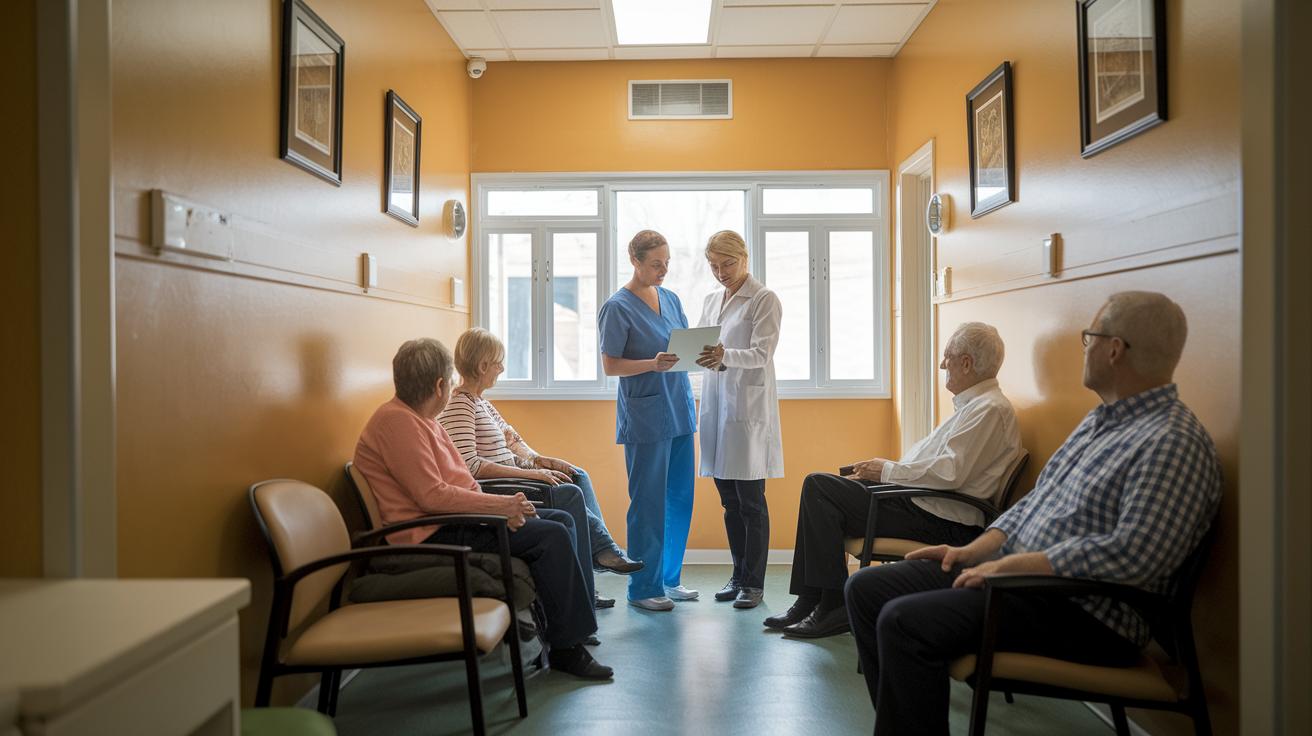
Let’s start by building a strong base. First, decide what you want to achieve and pick the patient groups that will benefit the most. Imagine a small clinic choosing patients with serious chronic illnesses to focus on first.
Now, choose the tools and platform that fit your needs. Look for devices that give you solid readings and work well with your daily tasks. Then, connect these tools to your electronic health record system and check that all security rules are met.
Train your team and patients so everyone feels confident using the new system. A few hands-on sessions can make a big difference. Just think of it like learning to ride a bike, practice helps everything click.
Then, try the program out with 50 to 100 participants for about three months. This test period lets you see how often patients follow the plan, how many need to come back to the hospital, and whether they are happy with the process.
| Step | Action |
|---|---|
| 1 | Set clear goals and select the right patient groups |
| 2 | Pick devices and a platform that fit your work style |
| 3 | Link to electronic records and check security |
| 4 | Train staff and patients |
| 5 | Test the program with 50-100 participants |
| 6 | Watch for how well the plan sticks, readmissions, and satisfaction |
| 7 | Grow the program and add CPT code workflows |
As you move forward, keep steady technical support and consider telehealth certification to make expansion even smoother.
Final Words
In the action, we covered how tech can improve patient care with real-world data and practical steps. We looked at essential features of advanced platforms, key devices for monitoring vitals, and tough security measures that keep patient information safe. You saw examples of better clinical outcomes, smart cost models, and clear steps for launching a new program. This guide shows how thoughtful use of technology can boost care, all while keeping things affordable and efficient. There’s promise ahead with remote patient monitoring solutions.
FAQ
What are remote patient monitoring devices, and can you see some examples?
The remote patient monitoring devices include blood pressure cuffs, glucometers, pulse oximeters, and wearables like the Apple Watch. They collect home-based health data to track vital signs and support care decisions.
What do remote patient monitoring companies offer, and which ones lead in the USA?
The remote patient monitoring companies offer at-home care systems that integrate with clinical software. Top U.S. vendors deliver reliable support, device management, and streamlined data integration for effective patient care.
What are remote patient monitoring services?
The remote patient monitoring services track health metrics such as vital signs to alert care teams. They help manage care at home, reduce hospital visits, and support timely clinical interventions.
Which technology is commonly used for remote patient monitoring?
The technology used in remote patient monitoring relies on smart wearables, Bluetooth-connected sensors, and cloud-based data systems that transmit real-time health information to care providers.
How much does remote patient monitoring cost, and how much profit can it bring?
The remote patient monitoring cost typically ranges from $30 to $100 per month per patient. With reimbursement models, these programs can generate significant revenue and improve a provider’s earnings over time.
What remote patient monitoring jobs are available?
The remote patient monitoring jobs include roles in technical support, data analysis, clinical coordination, and system integration. They blend skills in healthcare and technology to maintain smooth, remote care processes.
What is Health Recovery Solutions in remote patient monitoring?
The Health Recovery Solutions name refers to a trusted vendor known for its PatientConnect platform. It supports hospitals with dependable device integration, technical support, and proven solutions for patient care management.


