
Ever thought about how a quick video scan might give your health a tune-up like a car service? Digital care is shaking up the old ways by mixing handy tech with your usual check-ups.
By pairing wearables (small gadgets you can wear) with mobile apps, doctors can quickly see what you might need. This helps catch small problems early and saves you time and stress.
In this post, we'll explore how combining tech with regular visits is changing the way patients get care. It makes checking your health simpler, faster, and more effective for everyone.
Connected Health Overview: Integrating Digital Platforms and Care
Connected health mixes digital tools and mobile apps with regular health care to give you a clearer look at your well-being. It’s like a fresh update in how we take care of ourselves, focusing on prevention and quick fixes. Imagine checking your health with a quick 30-second video, kind of like a mini tune-up for your body. This method helps you spot any early warnings before they turn into bigger problems.
The system pulls in data from wearables and mobile apps to create one big picture of your health. It uses something called a Health Risk Assessment (HRA) to review 18 different aspects of your health and point out areas that might need a bit more care. Plus, a short 30-second video scan checks over 24 metabolic and biometric markers. In other words, it gives you fast, clear insights you can act on right away.
By catching even small signs early, nothing slips by unnoticed. Both you and your health care team can use this combined information to tackle little issues before they become larger concerns. In a nutshell, every bit of data helps guide you towards a healthier, more proactive lifestyle.
Telehealth and Virtual Care Integration in Connected Health
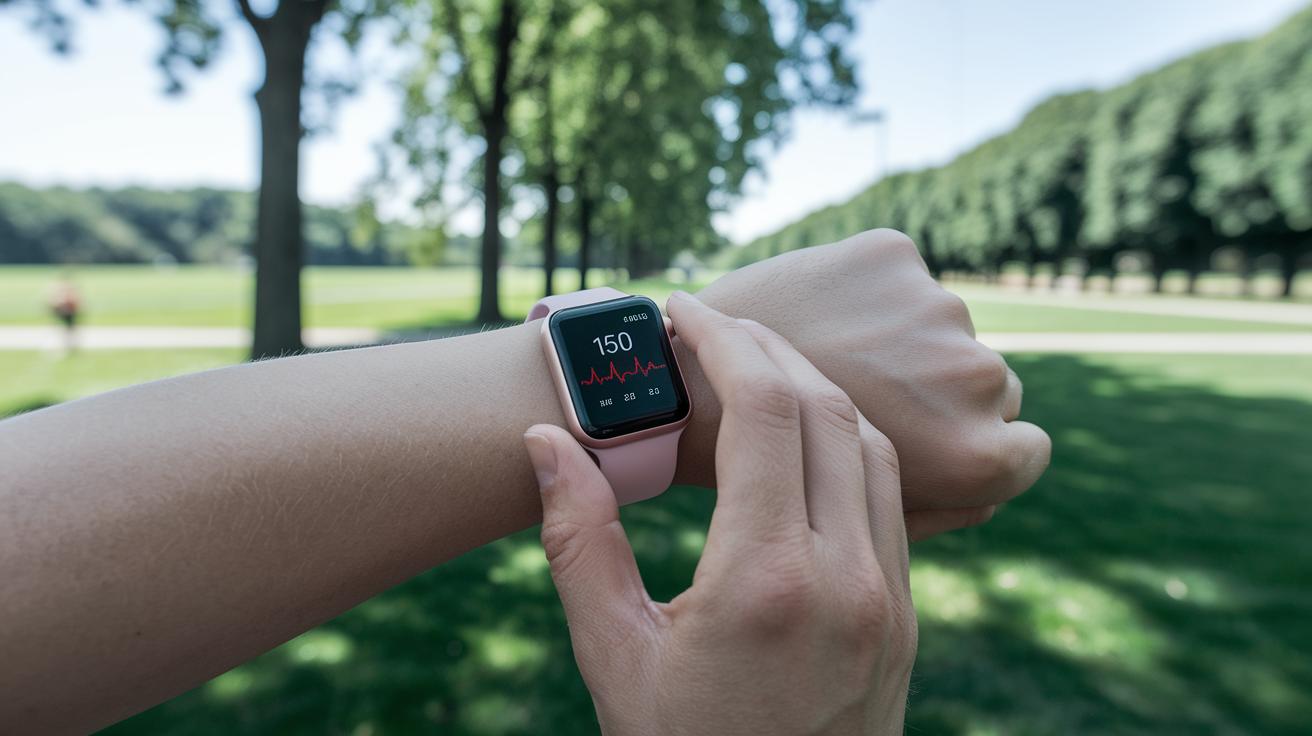
One big trend in telehealth is using deep linking and single sign-on smartly. It means patients can click one link and jump right into a virtual doctor visit without juggling a bunch of different logins. It's a bit like skipping the long line at your favorite café. This easy process makes getting care faster and builds trust, especially when quick help is needed.
Real-time data sharing is important too. Health details from wearables (small devices that track your steps or heart rate) and digital scans come together and flow directly to doctors. This setup lets providers see what’s happening as it happens, which leads to faster follow-ups. It also helps make every online visit feel more personal and on point.
Wearable and IoMT Integration for Real-Time Health Tracking
Our platform gathers data from popular apps like Apple Health, Google Fit, and Fitbit. It brings everything together into one smooth stream of health info. By using IoMT guidelines (simple rules that let gadgets share data), it collects details like your heart rate, daily steps, and sleep quality into an easy-to-read dashboard.
Picture checking your wearable while out for a brisk walk and seeing your heartbeat update instantly. It feels a bit like watching a live score for your health.
Users love the dynamic dashboards that mix data from wearables with lab results and biometric scans. These clear reports make it simple to follow trends, whether you're checking how well you slept or keeping an eye on your activity throughout the day. The visuals are clean and help you see your progress at a glance, making it a breeze to share insights with your care team and take action when you need to.
Remote Patient Monitoring and Preventive Care Technology in Connected Health
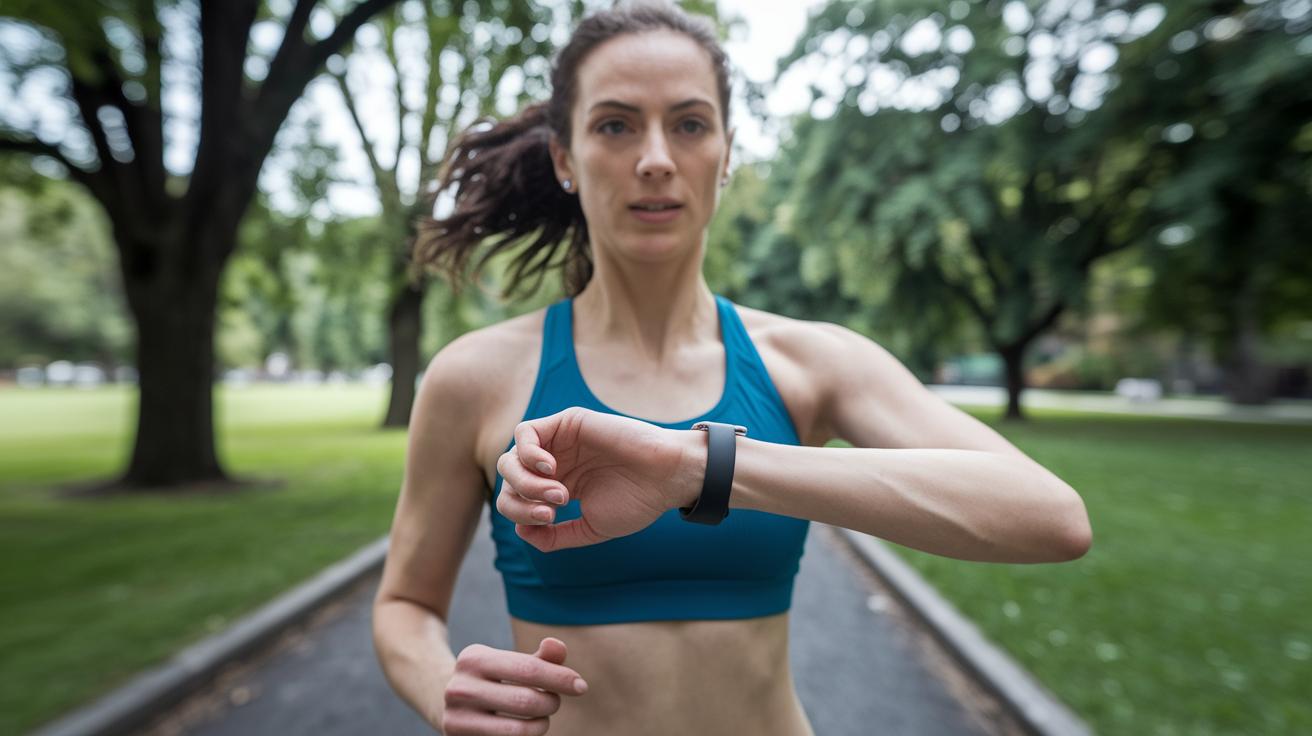
Remote patient monitoring kicks off with a quick Health Risk Assessment (HRA) and a fast Health Scan that picks up early signs of potential trouble. These checks look at your overall health and capture small snapshots of your body’s key numbers (like your heart rate or blood pressure). Then, a digital health coach suggests simple, personalized activities to help you build healthy habits. Sometimes, you can even join in solo or team challenges for an extra boost. It all feels like a friendly reminder to keep up with your daily wellness.
The system also uses mobile care options and health apps to keep an eye on important details, making it easier for your care team to catch any issues before they grow. Here are five handy features that support ongoing monitoring:
- Real-time alerts
- Medication adherence tracking
- Asynchronous messaging (chatting without the need for an immediate reply)
- Trend analytics (seeing patterns over time)
- Wearable alerts
When readings hit a set point or start to shift, your care team gets a prompt notification. This lets them step in right away, making the transition from remote tracking to personal consultations smooth and reassuring. It’s all about keeping your care proactive and just right for you.
Data Interoperability and Cloud-Based Care Services
We pull data from wearables, lab tests, and electronic records. The system uses trusted standards so devices can easily talk to each other. This creates one full health record that shows you a clear picture of your overall well-being without repeating old details.
Your secure health record now holds appointments, lab results, vaccination info, and your complete medical history. Our cloud-based care services use safe online methods (cloud computing in medical informatics means running data on powerful remote servers) to manage and protect your sensitive information.
Health Connected Boosts Digital Patient Care

Digital care platforms now come with lots of new features that help patients get better faster. For example, a real-time analytics system works with wearable devices (tiny gadgets that monitor your health) to offer quick feedback. It feels like having a caring friend who gently points out when your heartbeat might need extra care.
Many patients have shared their success stories, showing that these tools do more than simple remote monitoring. Custom alerts reach out immediately, helping both patients and care teams adjust plans on the spot. One patient even said that a well-timed alert helped prevent a health setback, turning raw data into a life-improving moment.
| Tool | Key Benefit |
|---|---|
| Real-Time Health Analytics | Gives instant insight into vital signs and progress |
| Wearable Device Integration | Keeps a constant check on your activity and health |
| Custom Alert System | Sends notifications to patients and care teams about key changes |
| Patient Success Stories | Shares real examples of how digital care has made a difference |
Connected Health Innovations: Future Trends in Digital Care Connectivity
Age Adjuster is a smart example of how digital care is changing personal health management. It uses results from health risk assessments and everyday data, like how you sleep or what you eat, to guess your biological age. Picture it like a tiny report saying, "Your daily choices really shape how fast you age." It shows us that our health isn’t set in stone and that smart, data-driven insights can guide us along the way.
AI-driven care platforms are now key players in this digital change. They learn from loads of personal and device data, catching little trends before they turn into big problems. Plus, blockchain (a secure way to store records) locks down your medical info so it stays safe. Together, these technologies are making patient data more useful and secure, opening up exciting new directions in care connectivity.
New tracking technology and global digital health trends are setting a fresh standard for real-time monitoring. Modern sensors and smart devices work in sync to give you quick, clear health updates. It’s like every device and bit of data is part of a connected network that keeps you and your care team informed. This ever-changing system helps everyone stay proactive about health, paving the way for a future where digital care feels both smart and personal.
Final Words
In the action, we saw how digital tools mark a shift in the health connected space, blending biometric data and remote monitoring to form a comprehensive view of wellness. Small segments showed ways telehealth and wearables work together while spotlighting data sharing and patient tips. The post carved out how digital strategies help spot early signs before issues grow. It leaves us with hope and a clearer way to boost everyday health with smart technology.


