
Have you ever thought your health insurance could be as smart as your smartphone? It sounds a bit wild, but imagine if your plan used everyday digital tools along with traditional coverage to make getting care faster and easier.
Think of it like a friendly helper who keeps an eye on your health in real time and lets the right people know what you need. Lots of folks are excited about these plans because they do so much more than just cover costs.
This new approach means clearer messages, quicker check-ups, and a smoother experience overall. Isn’t it cool to see how modern tech can make things run a little bit better?
How Connected Health Insurance Integrates Devices, Telehealth Services, and Traditional Coverage
Connected health insurance is changing how patients get care by mixing digital tools with traditional coverage. This system brings together digital insurance networks with telehealth services and virtual care to fit today’s needs. In fact, studies say 84% of consumers value this coordinated approach. I once read, "Imagine getting a health check at home, with every step of your care tracked online."
This change offers real benefits, like:
- real time monitoring
- personalized plan adjustments
- smooth telehealth consults
- constant data capture
- care coordination analytics
- easy claims submission
These benefits work together to make everything clearer and more efficient. For example, real time tracking can send alerts if your health changes suddenly, much like a weather app warns you before a storm.
In everyday practice, linking devices with digital platforms not only helps doctors pinpoint health issues faster but also improves how patients and providers communicate. Over 200 primary care providers have noticed that connected care makes it easier to catch concerns early and have better chats with patients. Even though only 69% of people trust their health plans compared to 96% who trust their doctors, digital tools are helping to close that gap. Combining technology with hands-on care is slowly changing our expectations for health insurance.
Technological Components of Connected Health Insurance
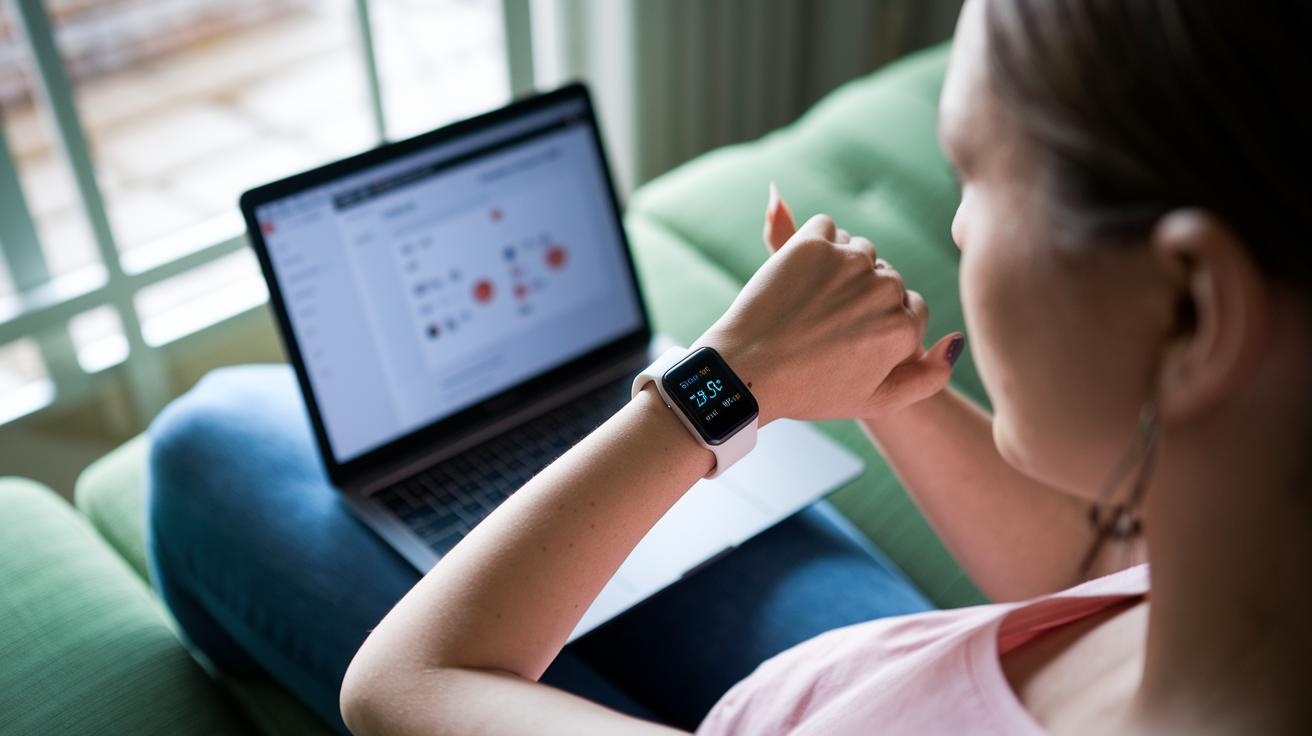
Connected health insurance is growing fast thanks to digital tools that tailor care to you while keeping a constant watch on your health. Insurers are mixing traditional coverage with smart tech like digital check-ups, connected devices, and online doctor visits. Andrea Silvello, CFO of Neosurance, shared that a trial run has shown these new approaches work well. With the RiskMinds Insurance event on November 18, 2024, more insurers are joining the trend. They are rolling out care portals, online sign-ups, mobile coverage, and remote support so you can stay linked to your health records anytime.
Wearable and Remote Monitoring Devices
Wearable devices like fitness trackers and smart scales really make a difference. These gadgets keep an eye on your daily routines and vital signs, much like checking the weather forecast for your body. They send real-time updates so changes in your health can be spotted quickly.
Telehealth Consultation Platforms
Telehealth platforms let you chat with doctors over video and handle initial questions online. It’s a bit like checking in at your regular doctor’s office, but from the comfort of your home. This way, urgent concerns get the prompt attention they need, even when you’re not in the waiting room.
Mobile Apps and Patient Portals
Mobile apps and patient portals are designed to make managing your health simple. They let you sign up for benefits and track your claims on the go, almost like checking your favorite social media app. This integration makes keeping track of your health care a breeze.
Analytics and AI-Driven Insights
Analytics along with AI tools sift through loads of data from wearables and online consultations. They help shape advice that fits your personal health patterns better. In plain terms, these smart systems turn everyday health details into neat, customized care tips.
Comparing Smart Insurance Integration Across Leading Providers
Insurers are mixing the old with the new by combining traditional coverage with digital tracking and connected devices. Andrea Silvello points out that Neosurance is a real trailblazer in this smart approach, setting the tone for others. With 84% of consumers wanting a more connected experience and a 69% gap in trust between health plans and doctors, providers really need to stand out with smart tech.
This review shows us how top insurers are using clever features to make care better and benefits easier to manage. Smart tech not only builds trust with customers but also raises the bar for how policies are connected and reviewed.
| Provider Name | Key Connected Features | Plan Highlights |
|---|---|---|
| Neosurance | Digital monitoring, telehealth consults, mobile apps | Trailblazing model, high consumer demand |
| Provider Two | Real-time data, connected devices | Quick claims processing, smooth care coordination |
| Provider Three | Telehealth platforms, wearable integration | Better diagnostic support, direct doctor access |
| Provider Four | Mobile enrollment, analytics tools | Easy-to-use interface, simple policy management |
Looking at these examples, it's clear that smart insurance brings benefits to both customers and insurers. New tech is changing how care is given, making health plans more personal and trustworthy by blending everyday digital tools with good old-fashioned care management.
Ensuring Data Security and Compliance in Connected Health Insurance

Insurers need to step up their security game to guard patient data and follow the rules. They use secure, tested ways to exchange data so that sensitive health details from telehealth sessions or connected devices stay safe under HIPAA guidelines. With people sometimes trusting health plans less than their doctors, having strong measures is a must. This extra care not only keeps personal info under wraps but also makes folks feel secure.
Cloud policy management plays a big part too. It helps run automated claims portals and makes sure data flows smoothly between systems. By relying on secure cloud services, insurers meet strict guidelines and keep information moving effortlessly from care providers to patients. In doing so, they not only earn more trust from consumers but also keep in step with regulations in a digital health world.
Case Studies Demonstrating Outcomes and Cost Efficiency in Connected Health Insurance
Connected health insurance models are really proving themselves in the real world. Neosurance recently ran a pilot project where they mixed smart care management tools with simple, data-driven insights from insurers. This helped doctors diagnose problems faster and catch issues early. Over 200 primary care providers said they could diagnose more accurately and step in quicker, with 84% of patients feeling the results were almost like a cure. It shows that using basic cost check tools and making insurer processes smoother not only saves money but also improves patient care.
Neosurance’s project is a clear example of how smart insurance can work better. They slashed the time needed for claim processing and made members happier along the way. By using data from devices paired with proactive care techniques, the system became much more efficient. Insurers using this kind of information not only run their operations more smoothly but also stay in better touch with their patients.
Other real-life studies back up these findings too. Combining digital monitoring, video health visits, and simple backend cost checks leads to big improvements. When insurers blend their traditional policies with easy claims automation and clear analytical tools, they open up new ways to work smarter. These better operational results show that such models not only enhance clinical outcomes but also cut costs. This progress lines up with fresh research and points to a future where connected health solutions make care smarter, faster, and more affordable.
Future Trends and Innovations in Connected Health Insurance

The connected health insurance field is changing fast with new technology. Insurers are now using cool tools like AI (artificial intelligence) and GenAI (a type of smart computer program) to turn lots of health data into real, useful advice. With current trends in insurtech (technology for the insurance industry) and forecasts for the future, experts are trying out fresh ideas to make coverage feel more personal. On November 18, 2024, the RiskMinds Insurance event will offer more details about new ways to improve technology use in healthcare and how to overcome old obstacles.
Investors and providers are keeping a close eye on these shifts. We’re seeing better virtual broker services and more remote coverage options that adjust quickly to what people need. This new wave of tech isn’t just making things run smoother; it’s also giving patients faster and more accurate interactions. With clever data tools and real-time monitoring, the future looks set for connected health insurance to become a key part of overall care. And honestly, it feels like we’re on the brink of a smarter, more friendly health care system.
Final Words
In the action, this post showed how connected health insurance blends digital tracking with classic care, using telehealth services, wearable devices, and secure data handling. It broke down key benefits like real-time monitoring, personalized plan tweaks, and enhanced doctor-patient chats.
This mix of tech and traditional methods paints a clear picture for informed decisions on your wellness path. The insights here leave us feeling positive about the bright future of integrated care.
FAQ
What is connected health?
The concept of connected health means blending classic insurance with digital tools like telehealth and real-time monitoring that keep patients active in managing their own care.
Is Connected Healthcare legit?
Connected healthcare is indeed genuine, combining digital tracking with live medical support to improve care. It’s backed by real providers and strong data security measures.
What is the connected health insurance phone number?
The connected health insurance phone number is the dedicated line for customers to ask about policy details, claims, or support. Refer to your plan or website for the exact number.
Who are the connected health insurance providers?
Connected health insurance providers are companies that offer plans with integrated digital monitoring, telehealth access, and coordinated care, working with local healthcare networks.
How much does connected health insurance cost?
Connected health insurance cost varies based on the plan and region. Most prices reflect traditional coverage rates paired with extra fees for digital services and telehealth features.
What is Connect for Health Colorado, and how do I log in, what is the income limit, and can I find affordable coverage?
Connect for Health Colorado is the state’s official marketplace for health plans that combine digital tools and standard coverage. Users log in online, and income limits follow federal criteria, helping residents access affordable options.
What does Kaiser health insurance Colorado offer?
Kaiser health insurance in Colorado provides integrated care that mixes digital tools with classic benefits. It supports direct patient care, telehealth options, and efficient policy management.


