
Have you ever noticed your skin get red and itchy all of a sudden? It might seem a bit odd, but our bodies sometimes react too much to things we use every day. It could be a lotion, a food, or even a plant that causes the trouble.
In this post, I’m sharing some simple tips to calm the itch and ease the discomfort. We’ll explore common causes and quick remedies so you can start feeling better fast.
Allergic Skin Rash Explained: Causes, Symptoms, and Treatment Pathways
When your skin turns red, bumpy, and really itchy, it might be because you came in contact with something like poison ivy, certain foods, medicines, or even an infection. You might see rough patches that itch a lot, and sometimes they even form little blisters. A lot of people notice the rash popping up suddenly, and if you don't figure out what caused it, the rash might stick around for a while.
Eczema is one of the most common allergic skin problems. It affects about 15% of kids and nearly 7 in 10 adults in the U.S. With eczema, your skin can go from a mild irritation to feeling dry, red, and full of tiny bumps that sometimes leak a bit of fluid. Then there are hives, which are red, raised spots that can last up to six weeks if they flare up, and sometimes even longer with chronic cases. And if your skin touches something irritating directly, you might get contact dermatitis – a rash that only shows up where you touched the allergen. Roughly one out of every ten people gets this kind of reaction.
A smart first step for handling these rashes is to try an over-the-counter hydrocortisone cream (a medicine that helps reduce swelling and irritation). Use it for no more than two weeks to avoid causing more problems. If the rash doesn’t get better or even gets worse after that time, it's a good idea to see a doctor. Knowing what might cause an allergic rash and spotting its symptoms can help you decide if a simple remedy is enough or if you need a bit of extra care.
Common Triggers Behind Allergic Skin Rash

There are lots of things that can make your skin red and bumpy. You might try a new lotion or wear metal jewelry and suddenly feel itchy. Even using regular dish soap can sometimes set you off. Plants like poison ivy are really well known for this. Basically, your body can overreact to everyday items and show it in the form of bumps and irritation.
Food can be a big trigger too. If you're sensitive to nuts, shellfish, or eggs, eating them might cause a skin reaction. Some medications, like antibiotics or common pain relievers (NSAIDs, which help with pain and swelling), can also cause your skin to break out. These reactions can come on quickly and look similar, which makes it hard to tell what really caused the flare-up.
Your furry friends, weather, and even heat can stir up skin problems as well. Proteins from pet fur, like that of cats or dogs, can irritate your skin and lead to a small rash or even something that covers a larger area. And when it's really hot, or if you sweat a lot or get bug bites, these can make your skin act up even more. All these triggers prompt your immune system to send out signals that show up as rashes.
Visual Guide to Types of Allergic Skin Rash
When your skin reacts to something, it's like it's sending a message. You might notice dry, red, and itchy spots with tiny bumps (a typical sign of eczema, which makes your skin dry and irritated). Sometimes those bumps may even leak a bit of clear or yellowish fluid, especially in skin folds like behind your knees or on your elbows. Recognizing these clues can help you decide if a cool compress might soothe your skin or if you need to see a doctor.
Look closely at your rash. If you see red, raised bumps popping up and then fading quickly, it's likely hives, which often only last a few minutes or hours. And if the rash appears only where you touched something like metals, fragrances, or cleaning products, it might be contact dermatitis. Knowing these differences can help you choose the right care, whether you head for a mild lotion for hives or avoid the irritant causing the flare-up.
| Type of Rash | Key Features | Duration | Common Triggers |
|---|---|---|---|
| Eczema | Dry, red, itchy skin with small fluid-filled bumps | Chronic, with flare-ups lasting days to weeks | Environmental allergens, irritants, and genetic factors |
| Hives | Raised red welts that itch intensely and may merge | Acute episodes lasting minutes to hours, sometimes recurring | Foods, drugs, and infections |
| Contact Dermatitis | Rash with blisters, itching, and burning limited to contact site | Varies from a few days to longer if exposure persists | Metals, fragrances, cleaning agents |
Home Care and Over-the-Counter Treatments for Allergic Skin Rash
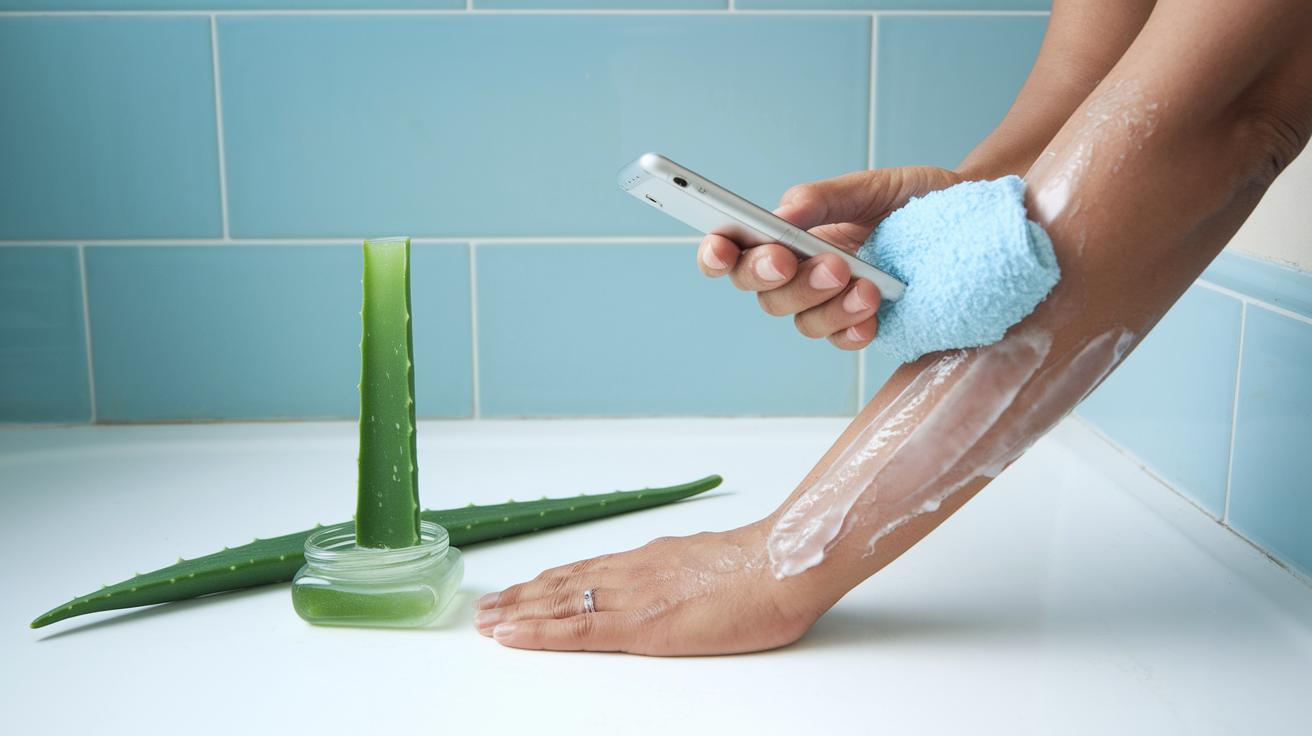
If your skin feels irritated, a little home care can really soothe the flare. Try using a cool compress or a gentle dab of aloe vera gel on the affected spot. An oatmeal bath might also help calm the itch and reduce the irritation. It can feel like giving your skin a quiet moment of relief on a warm, breezy day.
Many people find that over-the-counter allergy remedies do the trick when it comes to easing discomfort. A cream with hydrocortisone, which lowers redness and swelling, works well for a short time. Just remember to use it for no longer than two weeks to keep your skin healthy. This step-by-step approach lets you manage the flare-up at home until you see real improvement.
Sometimes a topical antihistamine or some calamine lotion can provide quick relief, especially when the itch becomes too hard to ignore. These products help by calming your skin and cutting down the urge to scratch. If the reaction covers a larger area, taking an antihistamine like diphenhydramine or loratadine might help you feel more comfortable during the day.
For cases that are more serious, you might need prescription treatments. In these cases, a doctor may suggest a corticosteroid cream or a medication like tacrolimus. These should only be used with proper medical advice. If home remedies and over-the-counter options are not enough, it is best to talk to a healthcare professional for more guidance.
Professional Diagnosis and When to Seek Medical Advice for Allergic Skin Rash
If your rash starts spreading, feels really painful, or just won't clear up after about two weeks of home care, it's a sign you should see a doctor. A careful check can figure out whether you're dealing with an infection, an autoimmune issue (where your body mistakenly attacks itself), or a reaction to a medicine. Getting the cause right makes treatment a whole lot easier. For instance, allergic contact dermatitis is often labeled with codes like ICD-10 L23, which tells us that spotting the allergen is super important. Ever wondered how asking the right questions can help? Try looking at some symptom assessment questions online, they might just clear things up for you.
Board-certified allergists and dermatologists can run a few tests to pinpoint what's triggering your rash. They might perform a skin-prick test (a quick, small prick to see how your skin reacts), a patch test (where patches are left on the skin to check for reactions), or even a blood test (which looks at what's happening inside your body). These tests help rule out other causes and guide you on the next steps for getting better care. And if your skin keeps acting up or just doesn't seem right, don't wait, it's time to get professional advice. You might even consider a personalized symptom assessment to address your specific concerns and tailor your treatment.
When to Consult a Specialist
If the rash spreads rapidly, causes severe discomfort, or shows signs of infection like worsening pain or swelling, it's best to consult a specialist. Watch out if the rash occurs in sensitive areas like your face or near your eyes.
Diagnostic Tests for Allergic Skin Reactions
Doctors may use skin-prick tests, patch tests, and blood tests to zoom in on the allergen behind your symptoms. This approach helps them make a clear diagnosis so they can pick the treatment that's right for you.
Final Words
In the action, we explored how an allergic skin rash appears, the forces behind it, and ways to manage its symptoms. We took a clear look at what the rash looks like, the triggers that may set it off, and helpful home care remedies. We even discussed when it makes sense to seek expert advice for persistent issues. Keep the insights in mind and face your next encounter with an optimistic spirit, knowing improved skin health is just around the corner.


