
Ever notice how your belly can feel a little off sometimes? Think of your gut like a small garden. Prebiotic foods work like natural nutrients that feed the good bacteria, while probiotic foods are like new plants that help keep everything balanced.
This simple harmony might be the start of a happier tummy. Today, we're diving into these two types of foods to see how they help your gut feel better. Stick around, and you might just find the key to a healthier, happier you.
Prebiotic vs Probiotic Foods: Boost Gut Vitality
Imagine your gut as a little garden. Prebiotics are like natural fertilizer that feeds the good bugs in your tummy. These come from fibers such as inulin, fructooligosaccharides, and resistant starch (fibers your body leaves alone so that good bacteria can use them). They help those tiny helpers grow strong.
Probiotic foods, by contrast, bring live bacteria and yeasts into your system. Think of them as lively plants joining your garden to help fight off irritations and infections. Foods like yogurt and kefir deliver these active cultures that work hard to stop bad germs and ease inflammation.
When you mix prebiotic and probiotic foods in your meals, you're really setting up a balanced system. Adding whole foods like garlic or chicory root gives the nutritious fuel, while a spoonful of yogurt or kefir adds fresh helpers to maintain a calm, smooth-running gut. Have you ever noticed how a small change in your diet can make you feel much better? This combo might just be the key to a healthier, happier belly.
Comparing Nutritional Profiles of Prebiotic vs Probiotic Foods
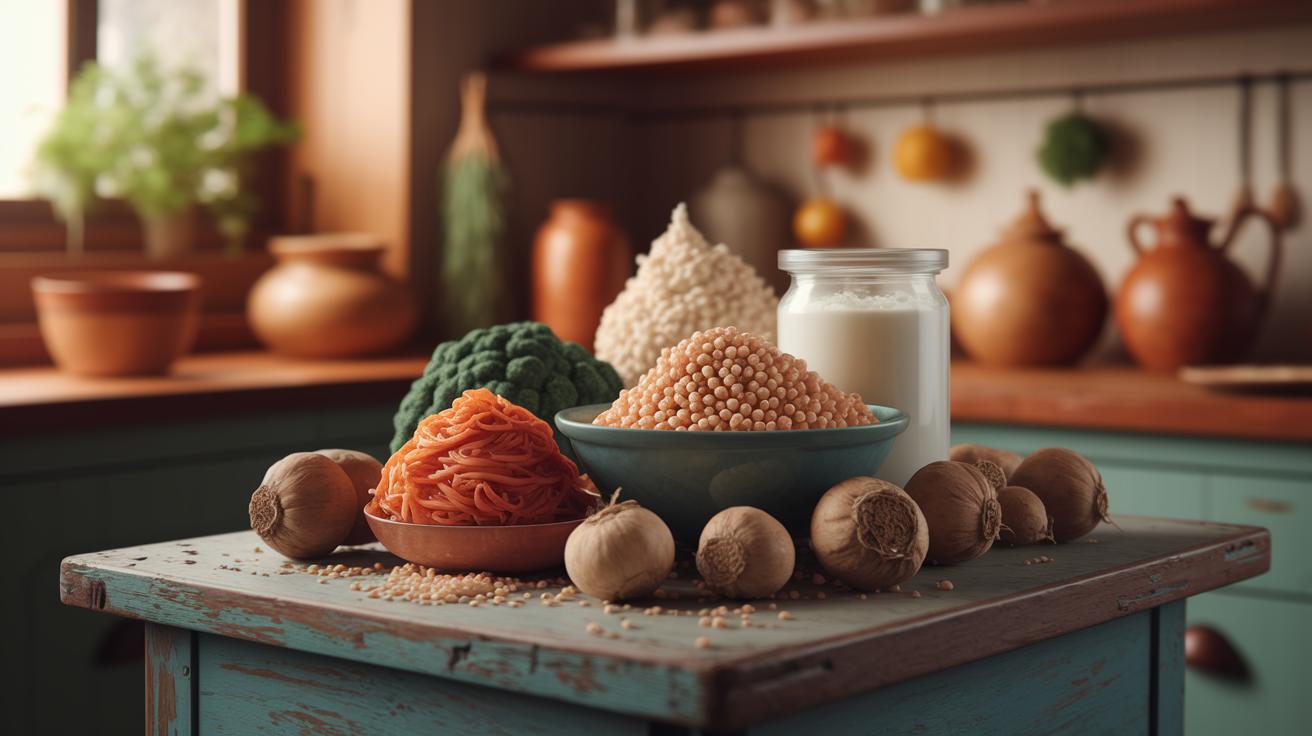
When you look at the nutrition of prebiotic and probiotic foods, you quickly notice that each type brings its own perks to keeping your gut happy. Prebiotics are like a yummy treat for the good bacteria in your stomach, while probiotics bring in live cultures that get right to work in your gut.
For instance, chicory root contains about 47% inulin (a natural fiber that helps bacteria grow). Garlic offers roughly 17% fructooligosaccharides (simple sugars that feed those friendly bacteria), and green banana comes with between 2.3 and 6% resistant starch, which also helps support a smooth-running digestive system.
Switching over to probiotic foods, yogurt packs in between 10^7 and 10^8 colony forming units per gram, giving you a burst of live cultures straight away. Sauerkraut not only brings helpful Lactobacillus but also gifts you with vitamin C for extra nutritional boost. And then there’s kefir, which contains several strains of Lactobacillus and Bifidobacterium, offering you a diverse mix of good microbes.
| Food Item | Type (Prebiotic/Probiotic) | Key Nutrient/Component |
|---|---|---|
| Chicory Root | Prebiotic | ~47% Inulin |
| Garlic | Prebiotic | ~17% Fructooligosaccharides |
| Green Banana | Prebiotic | 2.3–6% Resistant Starch |
| Yogurt | Probiotic | 10^7–10^8 CFU/g |
| Sauerkraut | Probiotic | Lactobacillus + Vitamin C |
| Kefir | Probiotic | Lactobacillus & Bifidobacterium |
Top Prebiotic Foods for Natural Fiber Support
Whole food prebiotics give you fibers that help feed the good bacteria in your gut. You can easily add these ingredients to your meals with a few simple tweaks.
- Chicory Root (Inulin): Try roasting chicory until it gets tender. Its nutty taste makes it great for salads or even as a coffee substitute.
- Jerusalem Artichoke (Inulin): A light drizzle of olive oil and a bake in the oven will bring out its natural sweetness.
- Garlic (Fructooligosaccharides): Give it a quick, gentle sauté to boost flavor while keeping its gut-friendly compounds intact.
- Onion (Fructooligosaccharides): Enjoy it raw in a salad or slowly caramelize it for a softer, sweeter taste.
- Leek (Inulin): Chop it up and add to soups or stews. Its soft texture blends in nicely without stealing the show.
- Asparagus (Inulin): A quick steam will keep its crisp bite and natural benefits.
- Green Banana (Resistant Starch): Blend it into your smoothie or warm it gently to soften its texture.
- Oats (Beta-Glucan): Cook into a warm bowl of porridge or stir into your favorite baked goods for a hearty fiber boost.
Key Probiotic Foods to Enhance Microbiome Diversity
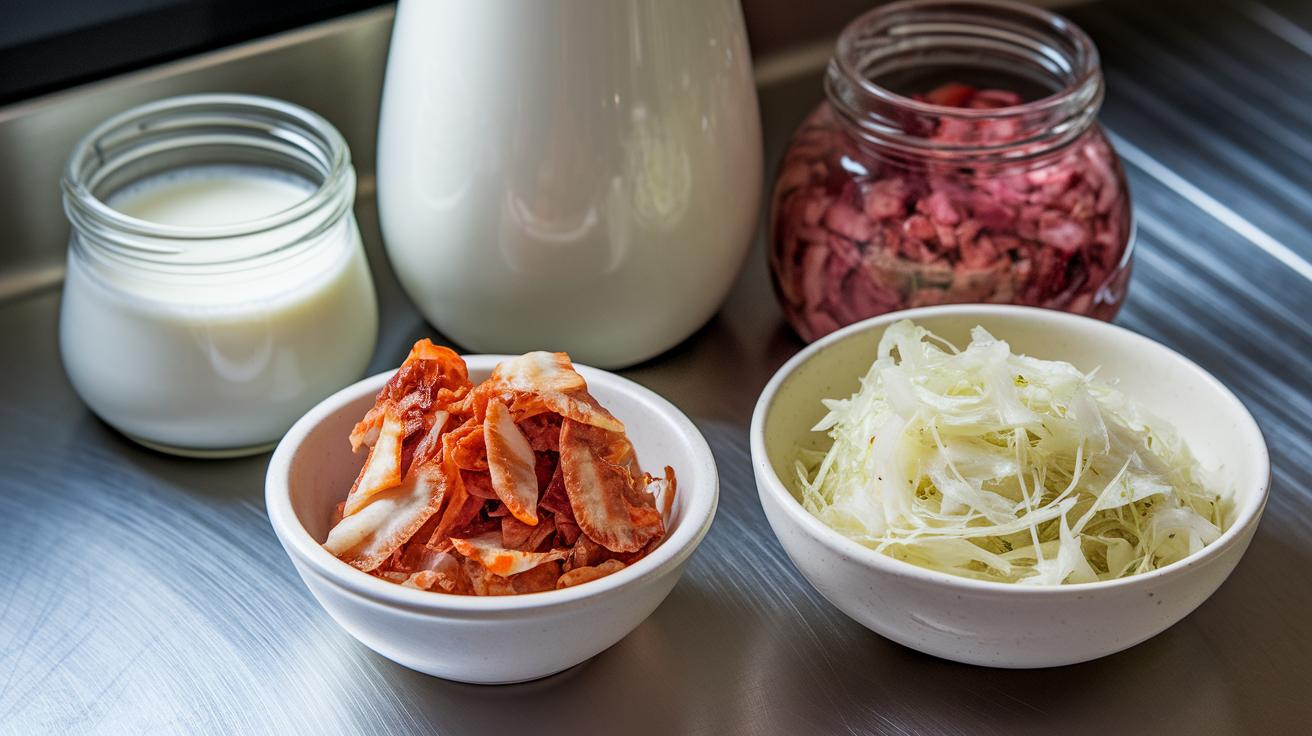
Fermented foods bring live cultures to your plate that help boost the variety of friendly microbes in your gut. For example, yogurt is full of Lactobacillus strains (good bacteria) that give it a creamy texture and tangy taste. Kefir, which is like a drinkable yogurt, mixes Lactobacillus with Bifidobacterium (another type of helpful bacteria) to support your digestion. Kimchi, a spicy, fermented vegetable dish, not only tickles your taste buds but might also help curb hunger and lower the chance of colon cancer.
Miso and kombucha are other simple ways to add variety to your gut. Miso is a savory paste made from fermented soybeans that brings helpful enzymes for digestion. Kombucha is a lightly fizzy tea packed with a mix of bacteria and yeast, which can create a more balanced gut environment. Every spoonful of sauerkraut or crunchy pickled vegetables delivers live cultures plus extra nutrients like vitamin C, making them a delicious, nutritious boost to any meal.
When you shop, try to pick up probiotic foods that are kept in the fridge. That way, the live cultures stay intact. Products that sit on the shelf and get pasteurized might have lost some of those good microbes. And if you mix up your fermented food choices, you're giving your gut the best chance to stay diverse and keep your digestive system in tip-top shape.
Health Benefits and Microbiome Balance with Prebiotic vs Probiotic Foods
A healthy mix of gut microbes keeps inflammation low and helps fight off infections. When you enjoy both prebiotic fibers (the food that nurtures good bacteria) and probiotic foods (those containing live bacteria), your gut gets a two-fold boost. It's like watering your garden with fertilizer and then planting fresh seeds all at once. For example, try adding garlic and yogurt to your daily meal. Fun fact: a well-fed gut community may cut down on discomfort and improve digestion, much like a team that works well together.
Eating these foods together also gives your immune system a big lift. A thriving gut flora not only keeps harmful bugs at bay, but it also helps maintain your clarity of mind and steady energy levels. And don’t forget that a balanced gut might help keep issues like diabetes and obesity in check. Some even say that regular servings of fermented foods and natural fibers work just as well as a daily vitamin boost.
Mixing prebiotics and probiotics into your meals does wonders for overall gut stability. Your gut bacteria influence everything from how you handle sugar to your heart and brain health. Try pairing a spoonful of kefir with your oats or enjoy a bowl of miso soup with a sprinkle of chopped leeks. Quick tip: combining these foods not only pleases your taste buds but also helps build a more resilient, healthy system.
Scientific Insights on Prebiotic vs Probiotic Foods: Evidence and Safety
Have you ever thought about how our food can help our bellies feel better? Recent studies by the International Science Association for Probiotics and Prebiotics show that fermented foods and supplements with live cultures can really help our gut. These live bugs, like certain bifidobacteria (friendly germs that support digestion), work to lower inflammation and keep our digestive system in balance. Even though many people grab probiotic supplements, most folks with a healthy diet actually get enough good bacteria from the foods they eat. But if you have specific health issues, a doctor might suggest a particular strain that fits your needs. It’s cool how research like this can guide us in choosing the right supplements.
Safety is a big deal too. Probiotic products have live cultures that need to stay cool in the refrigerator so they remain powerful. Prebiotic fibers, on the other hand, don’t need special temperature control, which is pretty convenient. Doctors always suggest you check with them before starting any new supplement, especially if you’re dealing with other health problems or medications. These tips help ensure that you use these foods safely and effectively. With all this science-backed advice, you can feel confident about adding these foods to your diet and taking simple steps toward a balanced, healthy life.
Practical Strategies with Prebiotic vs Probiotic Foods for Daily Nutrition
Start your morning off right by including probiotic foods with breakfast. Try mixing live cultures into your solid meals so the good bacteria can make it through your stomach. For example, stir a spoonful of yogurt into your cereal or blend some kefir into your smoothie. It’s a small change, but it really gives your gut a boost early on.
Throughout the day, enjoy a colorful mix of foods. Fill your plate with fruits, veggies, whole grains, and lean proteins that naturally come with prebiotic fibers (substances that feed the good bacteria). Have you ever thought about pairing prebiotic-rich foods with probiotic ones? For instance, banana slices mixed into a bowl of yogurt is a simple, tasty way to keep your gut healthy.
Watch what you eat too. Try to avoid sugary and fatty foods because they can encourage the growth of bacteria you might not want. Think of it like giving your gut the best tools to work with. Here are a few quick tips:
| Tip | Description |
|---|---|
| Fruit Salad | A mix of berries and apples for an extra dose of fiber |
| Raw Snacks | Nuts or veggie sticks to keep you energized between meals |
| Fermented Foods | Try kimchi or miso to add a burst of flavor and support your gut |
These little tweaks in your meal planning can really help promote a happy, healthy gut. Remember, when you combine these prebiotic and probiotic foods, you’re making a small team that works together to keep your digestive system strong.
Final Words
In the action of exploring the roles of prebiotic vs probiotic foods, this article broke down definitions, nutritional comparisons, and practical tips for daily nutrition. It showed how prebiotic fibers feed good bacteria and how probiotic foods add live cultures to our gut. We looked at food details, safety insights, and dietary strategies to help balance your microbiome. The guide leaves you with actionable ideas and a positive outlook on technology-based wellness improvements. Enjoy making simple changes that support a healthier, happier gut.
FAQ
What are prebiotic foods?
The prebiotic foods are natural sources of fiber that feed the good bacteria in your gut. Items like chicory root, garlic, and onions help maintain a healthy digestive system.
What is the difference between prebiotics vs probiotics?
The prebiotics vs probiotics comparison shows that prebiotics are fibers that nourish good bacteria, while probiotics provide live cultures that enhance gut balance and overall digestive health.
What foods are on the probiotic and prebiotic foods list?
The probiotic and prebiotic foods list includes yogurt, kefir, and sauerkraut for live bacteria, along with fiber-rich foods like chicory root, garlic, and onions to support gut health.
What should I know about prebiotics and probiotics supplements?
The prebiotics and probiotics supplements deliver concentrated doses of fibers and live cultures, offering extra support for your gut. It is wise to talk to a doctor before starting any supplements.
How do probiotics compare to prebiotics for weight loss?
The probiotic vs prebiotic for weight loss debate highlights that probiotics help balance metabolism, while prebiotics feed the beneficial bacteria that govern digestion, both playing roles in overall weight management.
What is the best prebiotic and probiotic combination?
The best prebiotic and probiotic combination pairs a live culture food like yogurt or kefir with fiber-rich items such as bananas or garlic, which together create a balanced and thriving gut environment.
Can you take prebiotics and probiotics together?
The prebiotics and probiotics can indeed be taken together, as combining fiber sources with live cultures supports the growth and balance of beneficial gut bacteria for improved digestion.
What are some top probiotic foods?
The top 20 probiotic foods typically include fermented items like yogurt, kefir, kimchi, kombucha, miso, and sauerkraut, which each provide live cultures to help boost the diversity of your gut bacteria.
Is Greek yogurt a probiotic or a prebiotic?
Greek yogurt is a probiotic food because it contains live cultures that aid digestion. It does not act as a prebiotic since it lacks the fibers that feed beneficial bacteria.
Is it better to take a prebiotic or a probiotic?
The decision between a prebiotic and a probiotic depends on your gut health needs. Prebiotics feed the good bacteria, while probiotics add live cultures; many people benefit from a balanced mix of both.
What are the signs you might need prebiotics?
The signs you might need prebiotics include digestive issues like bloating or irregular bowel movements, suggesting that more fiber from prebiotic foods could support your gut and overall digestion.
Can probiotics help with heartburn?
Probiotics help with heartburn by promoting a balanced gut environment, which can reduce acid reflux symptoms and improve overall digestion when incorporated into a well-rounded diet.


