
Have you ever wondered if your baby's tummy might be missing some key friends? Probiotic foods are like little helpers that quietly work in the background to support a small digestive system. Imagine planting a seed that grows into a strong plant, with each bite, your baby builds up a natural shield. The helpful bacteria improve how food gives nutrients to the body, which means these foods help boost digestion and overall well-being right from the start. This guide explains how to gently add these safe, natural foods into your baby's diet.
Infant-Friendly Probiotic Foods for Healthy Digestion and Immunity
Introducing probiotic foods early is really important. A baby's gut is still growing, and these friendly cultures help with digestion and build up a strong immune system. Think of it like planting a tiny seed that can grow into a healthy, strong plant with a little care.
Foods like plain whole milk yogurt have live cultures that work like little helpers in a baby's tummy. They balance the enormous number of tiny cells (10 to 100 trillion, believe it or not) in the gut. These good bacteria even help the baby bounce back after taking antibiotics (medicines that fight germs). Did you know that even a soft, delicate baby gut is home to billions of bacteria? Each one plays a part, just like players on a team helping to win a game.
- They help the baby get more nutrients from food.
- They boost the baby's natural defenses.
- They lower the chance of diarrhea by keeping the tummy steady.
- They keep a healthy mix of good bacteria in the gut.
- They might even help prevent allergies.
Parents can keep supporting their little one’s gut by slowly adding safe, low-salt, unflavored probiotic foods when the baby is around six to eight months old. Stick with your pediatrician’s advice and gradually introduce new tastes. This slow, careful approach helps the baby's stomach adjust and grow stronger day by day.
Understanding Probiotics and the Infant Gut Microbiome

A baby's gut is like a busy little world filled with helpful tiny creatures. Probiotics are live little bugs that help with digestion, while prebiotics are the fibers that act as food for these good bugs. Postbiotics are simply the friendly leftovers when these bugs break down food. Think of it like planting a garden: probiotics are the seeds, prebiotics are the water and nutrients, and postbiotics are the fruits that grow. Fun fact: probiotics work like little gardeners, keeping your baby's inner world balanced and healthy.
Defining Probiotics, Prebiotics, and Postbiotics
You can often find probiotics in foods like plain yogurt. They are live organisms that help your gut work well. Prebiotics, on the other hand, are the fibers that serve as food for these organisms. And postbiotics are the helpful bits left behind after the bacteria do their job, helping to keep the gut in balance. Each one has its own important part in supporting digestion and boosting the immune system.
Early Gut Microbiome Development in Infants
A baby's gut microbiome starts to change right from birth. This little ecosystem is shaped by factors like the way the baby is born, whether they're breastfed or formula-fed, and even if they need antibiotics early on. Once solids make their debut, you can see the bacterial community shifting from mainly Bifidobacterium to more Bacteroides and Firmicutes, which help break down tougher carbohydrates. Including foods rich in probiotics can support these natural changes and help the gut develop smoothly.
Age-Appropriate Introduction and Dosage of Probiotics for Babies
When babies reach around six to eight months, they often start trying different foods. This is a good time to add in some probiotic foods. Experts recommend using a small amount of plain, whole milk yogurt at first. Studies show that certain strains, like B. infantis (a type of helpful bacteria) and L. reuteri (another friendly bacteria), may help lower the risk of diarrhea and allergies. Always check with your pediatrician since every baby is different, and preterm infants need extra care.
- Start with 1 teaspoon of plain whole milk yogurt.
- Watch your baby closely for any signs of discomfort.
- Slowly increase the yogurt amount in small steps.
- Talk with your pediatrician before you try any probiotic supplements.
Every baby is unique. Adjust the amounts based on how your baby reacts and what your doctor says. This careful approach helps make sure the probiotics support your baby’s growing tummy in a safe way.
Probiotic Foods for Infants: Nurturing Digestive Health
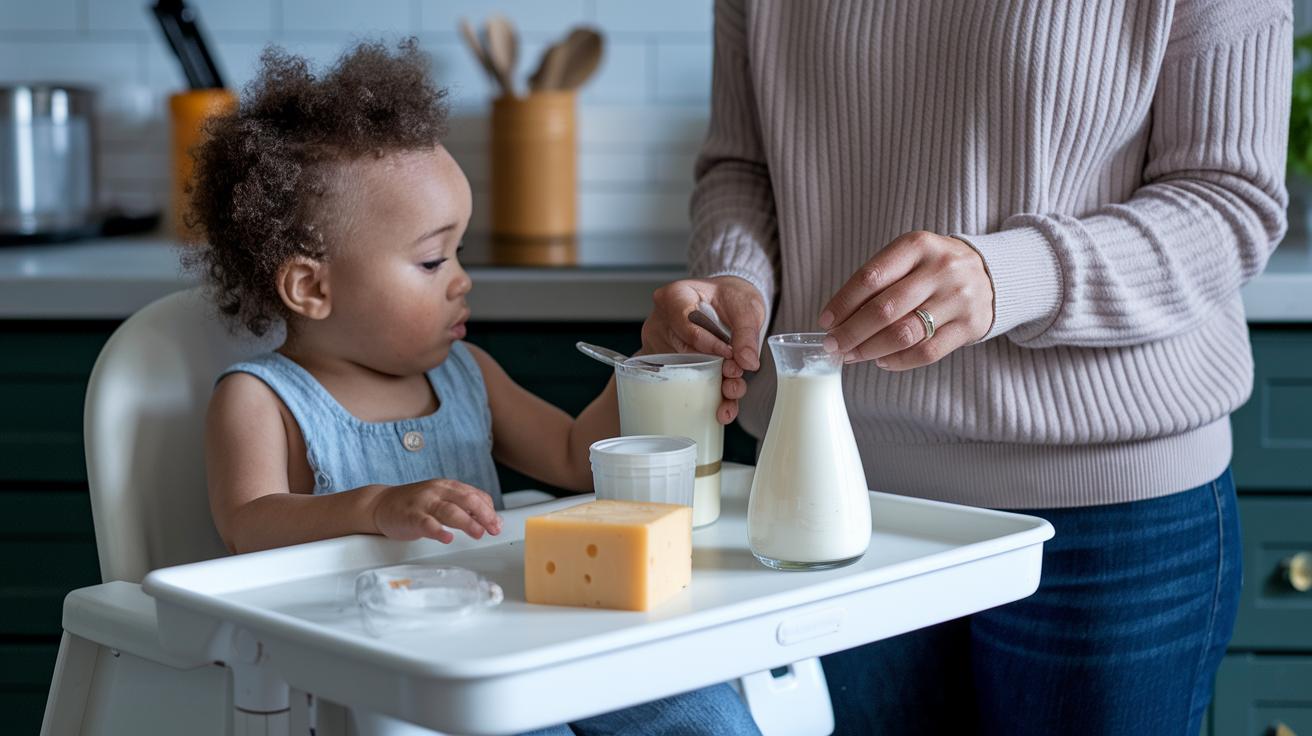
When you’re planning meals for your little one, it helps to pick probiotic foods that are low in salt and free from extra flavors. Stick to options made from whole ingredients and choose plain foods without added sugars or salt so your baby’s tummy stays happy.
Dairy-Based Probiotic Sources
Plain whole milk yogurt (like Greek or Icelandic types) is a great choice. It has live cultures and a creamy, thick texture that works well when babies start feeding themselves. Kefir gives you a drinkable option full of beneficial bacteria; just introduce it slowly. Soft, pasteurized cheeses, such as cottage cheese or spreadable varieties, are easy on your baby’s digestive system. And when your child grows into a toddler, you can offer harder cheeses in small, shredded pieces or really thin slices to make chewing safer.
Plant-Based Fermented Options
If you’re looking to mix up the flavors and textures, try a tiny dab of miso for a little kick. Remember, a little goes a long way because it’s naturally salty. Finely chopped or pureed fermented veggies like sauerkraut or kimchi are also smart picks when done carefully. And don’t forget, small pieces of lightly toasted sourdough bread can help ease your baby into solid foods while supporting a healthy balance of good bacteria.
| Food | Serving Suggestion | Notes |
|---|---|---|
| Plain Whole Milk Yogurt | 1-2 tsp | Low-sugar, live cultures |
| Greek/Icelandic Yogurt | 1-2 tsp | Thicker texture for self-feeding |
| Kefir | 1-2 tsp, gradual introduction | Plain and unsweetened |
| Soft Pasteurized Cheese | Small spoonful | Cottage or spreadable type |
| Miso | Tiny dab | Due to high sodium content |
| Sour Dough Bread | Small, lightly toasted pieces | Easy to digest |
Safety Tips and Potential Risks of Probiotic Use in Early Infancy
Giving a baby too many probiotic foods at once can really overwhelm their little tummy. Some babies might end up with diarrhea, gas, bloating, or just feel off if you push too many new foods too quickly. Dairy products like yogurt, kefir, certain cheeses, and even miso often trigger allergies in some infants. That’s why it helps to introduce one new food at a time so you can see how your baby reacts before trying more.
When it comes to probiotic supplements, you need to be extra careful. Even though most studies show they are safe, we still don’t have enough research to say they’re a must-have for every healthy baby. Each little one is different, and even a small change in the amount or type might have a different impact. So, always have a chat with your pediatrician first.
- Introduce one new ingredient at a time.
- Start with small portions.
- Look at labels to check for live cultures.
- Get your pediatrician’s approval before adding any supplements.
Scientific Evidence and Clinical Studies on Infants and Probiotics

Recent experiments suggest that live microbes might really help babies. Researchers have run controlled trials with special strains like B. infantis (a friendly bacterium) and L. reuteri (another helpful bug). Sometimes, babies who got these bacteria showed fewer symptoms, such as less acute diarrhea and milder allergy issues. And you know what? Human milk naturally brings in live bacteria along with sugars that feed them. Still, the current evidence isn't strong enough to say all healthy infants should get probiotic supplements.
- Studies on B. infantis point to a better gut balance and less diarrhea in certain baby groups.
- Trials with L. reuteri hint at a drop in allergy symptoms among some infants.
- Research mixing live bacteria with natural milk sugars seems to give a little boost to the immune system.
Even though these findings feel encouraging, there are still lots of unanswered questions. More tests are needed to figure out what strains work best, the right doses, and how benefits might vary from one infant to another. In truth, further research will help shape guidelines that are safe and genuinely useful for supporting both digestion and immune development in little ones.
Practical Feeding Advice for Infant Probiotic Meals with Live Cultures
When you're making recipes, think about how the textures can help your baby try new tastes while staying gentle on their growing tummy. Go for smooth purees where live cultures mix easily with fruits, veggies, or cereals. Stick to ingredients that are soft and familiar to your little one so each bite is safe and tasty. For instance, a simple yogurt puree can be a great first step when your baby starts eating solids.
Mixing live cultures into regular purees can boost nutrients and help their immune system grow strong. Try stirring a spoonful of plain yogurt or kefir (a fermented milk drink) into an apple or banana puree. This adds a mild tang and might even help prevent picky eating by making those probiotic flavors a regular part of everyday meals.
- Yogurt-berry puree: Blend plain whole milk yogurt with mashed berries.
- Avocado-kefir mash: Mix ripe avocado with a splash of plain kefir for extra creaminess.
- Miso-vegetable blend: Stir a tiny bit of miso (a salty paste made from fermented soybeans) into well-pureed steamed vegetables.
When you're storing these meals, put them in airtight containers in the fridge and let them warm up to room temperature before serving so it's easier on digestion. Start with little amounts, like a teaspoon, and slowly increase as your baby gets used to the new flavors and textures. This way, every meal stays safe and enjoyable, making it stress-free to include probiotics every day.
Final Words
In the action, we explored why early exposure matters and how living cultures support an infant’s digestion and immune health. We broke down the roles of probiotics, prebiotics, and postbiotics, and offered real-life feeding tips along with safety advice. The discussion moved from natural yogurt options to safe dosage tips, ensuring clear, evidence-based guidance. Remember, introducing probiotic foods for infants can support a balanced gut, making everyday health better and brighter. Enjoy these insights and take away practical steps for nurturing little tummies.
FAQ
Q: What are some top probiotic foods and natural sources for babies?
A: The probiotic foods for infants include plain yogurt, kefir, and soft cheeses with live cultures. Natural sources may also feature lightly fermented vegetables to support a balanced gut.
Q: Which fruit is high in probiotics?
A: The probiotic quality in fruits is indirect. Fruits generally serve as a base for other probiotic foods rather than containing live cultures themselves.
Q: What is the best probiotic for infants?
A: The best probiotic for infants usually features strains like B. infantis and L. reuteri, commonly found in plain cultured dairy products and recommended by pediatric experts.
Q: What are the benefits of probiotic foods for gut health?
A: Probiotic foods promote gut health by balancing beneficial bacteria, aiding digestion, and supporting the immune system, especially after a course of antibiotics.
Q: What probiotic Indian foods are suitable for infants?
A: Probiotic Indian foods suitable for infants include plain yogurt and lightly fermented pickles with low salt. They offer live cultures that support digestion when introduced carefully.
Q: What are prebiotic foods for babies?
A: Prebiotic foods for babies, like pureed fruits, vegetables, and whole grains, feed the good bacteria in the gut and promote a healthy digestive environment.


