
Have you ever noticed tiny red or purple spots on your skin? They might seem small and harmless, but they can actually give you important clues about your health. In this post, I'll explain how these spots form, what they look like, and why spotting them early might help you catch hidden issues before they get worse.
Keep reading if you're curious. Sometimes, a quick look at these signals can make all the difference in knowing when to chat with your doctor.
Petechial Skin Rash: Definition, Appearance, and Significance
Petechiae show up as tiny red or purple spots on your skin. They happen when small blood vessels (capillaries, which are like little blood tubes) burst and let a bit of blood leak underneath. These flat spots are usually less than 2 mm wide and don't disappear when you press on them. Unlike some rashes that itch, petechiae usually don't cause any irritation.
Now, picture noticing a few small dots scattered over your skin. It might feel a bit odd, like finding unexpected clues on your body. Even though these spots are harmless on their own, they can be a hint to check with your doctor. Petechiae can show up because of infections (both bacterial and viral), blood problems, reactions to medicines, or even injury. Catching them early is important because a quick check-up can uncover any underlying issues.
Imagine you see these spots and wonder, "What does this mean for my health?" Your doctor can look at how many there are, where they're located, and if you have any other symptoms. Recognizing these marks early helps ensure that any potential health concerns get the attention they need.
Common Causes of Petechial Skin Rash
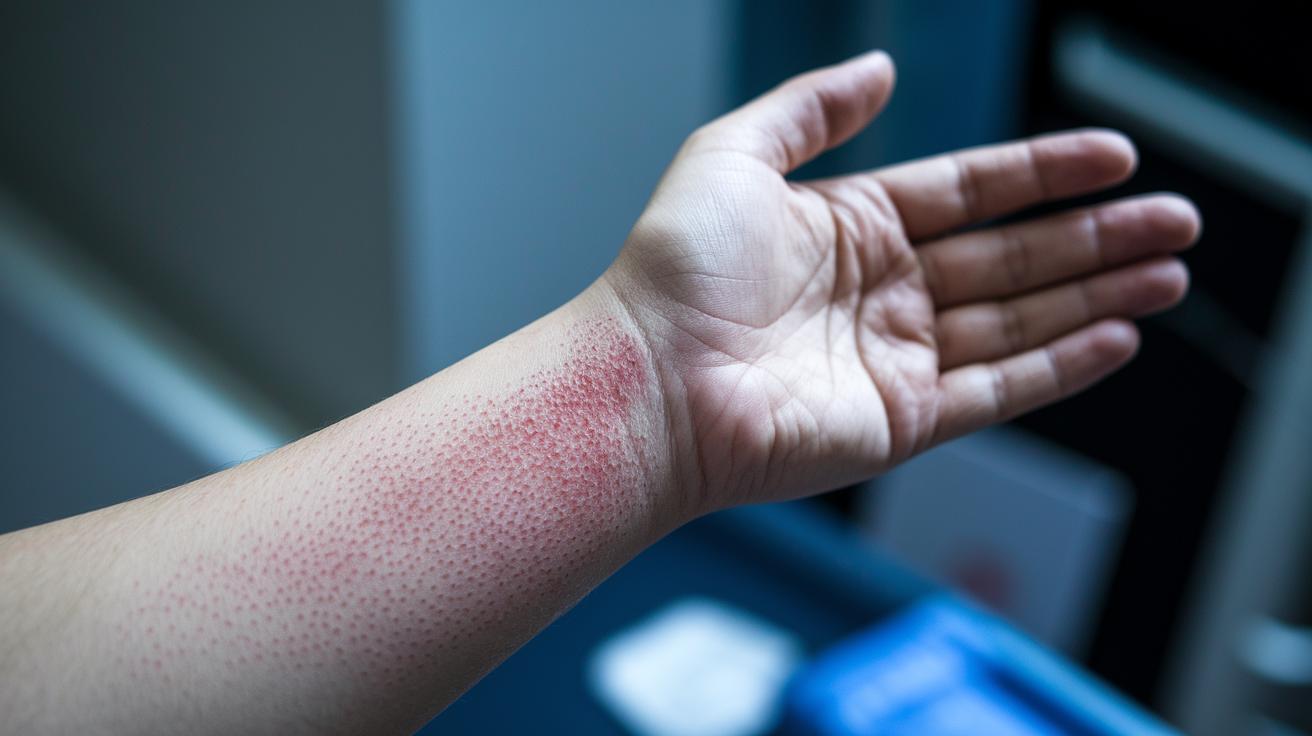
Small red dots show up when tiny blood vessels break. These spots can come from many different causes. For instance, infections from bacteria or viruses, such as meningococcal infection or dengue fever (a mosquito-borne virus), can lead to skin bleeding. Imagine you have a sudden fever and notice little red marks; you might wonder if something more serious is going on.
Sometimes, blood issues like low platelets or clotting problems make it hard for your blood to thicken. In these cases, even a small bump can cause bleeding under the skin. Heavy coughing or vomiting can also put too much strain on your body, leading to tiny spots from small internal bleeds.
A hard knock or accident that injures your skin can create these marks too. Certain medications, like blood thinners (anticoagulants) or NSAIDs (nonsteroidal anti-inflammatory drugs), can change your blood's makeup and lead to bleeding in the skin. And in some cases, the body's own defense system attacks its blood vessels, which is known as autoimmune vasculitis, causing these spots as well.
Here are the main causes:
- Bacterial or viral infections (like meningococcal infection and dengue fever)
- Platelet problems and clotting issues
- Physical strain from severe coughing or vomiting
- Direct skin injuries from bumps or accidents
- Side effects of medications such as blood thinners and NSAIDs
- Autoimmune conditions that attack blood vessels
Noticing these dots early is important so you can get checked out and know what’s happening with your body.
Recognizing and Diagnosing Petechial Skin Rash
When a doctor checks for a petechial rash, they start by looking at your skin in natural light, watching carefully for tiny red or purple spots. They often use a tool called dermoscopy (a magnifier for the skin) to see even tiny marks and little bleeds up close. This close look helps them tell the difference between types of skin bleeding. For example, petechiae are really small spots, usually under 2 mm, while purpura are flat marks that measure between 2 and 10 mm, and ecchymosis appears as bigger bruise-like patches. They also check if these marks itch or not because non-itchy spots usually point to bleeding rather than other skin issues.
Doctors might also run some lab tests, like a platelet count (which checks your blood’s clotting bits), a coagulation panel, or sometimes flow cytometry (a test that studies cells) to figure out if a blood problem is causing the rash. If they suspect damage deeper in the tissue, imaging can be helpful, and they may even compare what they see with a photo gallery of known skin bleeding cases.
| Sign | Size | Description |
|---|---|---|
| Petechiae | <2 mm | Pinpoint red or purple spots that don’t fade when pressed |
| Purpura | 2–10 mm | Flat purple spots that don’t fade under pressure |
| Ecchymosis | >10 mm | Larger bruise-like discolorations |
Treatment and Management of Petechial Skin Rash
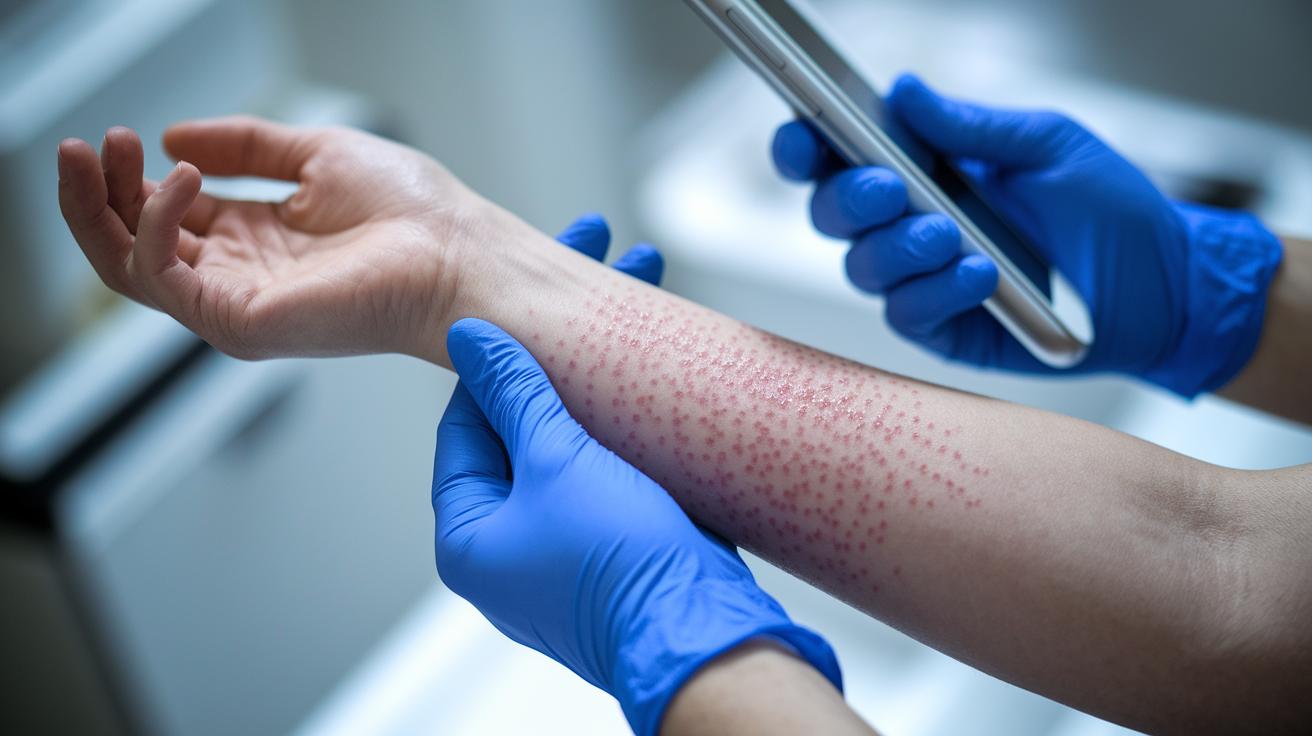
When you have a petechial skin rash, it's best to deal with the source of the problem. For example, if the rash comes from a bacterial infection, your doctor will likely suggest antibiotics to clear it up. If a virus is to blame, the rash usually fades with some extra rest and care, much like how a cold gets better after a few days.
Sometimes, a blood problem like a low platelet count is behind the rash. In those cases, treatments such as platelet transfusions or steroids can help bring things back to normal. And if a medicine is causing the spots, stopping or changing the drug may prevent more leaks from your tiny blood vessels.
It’s really important to keep an eye on the rash. Check to see if the spots grow in size or if new ones appear, because that might mean it’s time to talk to your doctor again. Regular follow-ups help ensure the main issue is under control.
Taking simple steps like resting, keeping the area elevated, and avoiding heavy activities can also make a difference in your recovery.
When to Seek Medical Attention for Petechial Skin Rash
Sometimes your skin gives you little signals that something isn't right. If you notice tiny red or purple spots that don't fade when you press on them, it might be your body warning you. When these spots come along with a high fever, a really bad headache, or a stiff neck, it could mean a serious infection is starting. For instance, a sudden fever with a rash can be the body's way of warning you about a fast-spreading infection (like meningococcal sepsis, which is a severe infection).
If you see extra bleeding, such as from your gums or nose, or if the rash seems to be growing quickly, it's time to get checked out right away. This is true whether it happens to an adult or a child. And if you notice signs like a drop in blood pressure or feel lightheaded and shocked, those are urgent signals that you need emergency care.
Keep an eye on these signs, and don't hesitate to act if you see them. Early attention can be lifesaving. For more details, check out this link: https://medsfax.com?p=1891
Preventing Recurrence of Petechial Skin Rash

Eating foods rich in vitamin C, like oranges, strawberries, or bell peppers, helps keep your tiny blood vessels strong so they are less likely to leak. It works much like giving your body a little reinforcement where it counts. Also, try to avoid heavy lifting or sudden straining when you cough or vomit; these actions can raise your vein pressure, making you more prone to skin spots.
It’s also a good idea to watch out for changes in your environment. A shift in weather or exposure to certain allergens might trigger these marks. And if you're taking any blood-thinning medications, regular check-ins with your doctor can help catch any issues early, especially important for older adults who benefit from routine microvascular health exams.
Learning to recognize the early signs of skin bleeding is key. When you notice even small changes, it’s smart to get advice from a healthcare professional. Small adjustments in your lifestyle really do add up, helping you lower the risk of these skin events over time.
Final Words
In the action, we broke down what a petechial skin rash really is and how these tiny, nonblanching dots point to several causes like infections, blood problems, or even minor traumas. We explored how to spot them, get the right tests, and take proper treatment. We also touched on simple steps to cut down future risks. Having this clear and practical information can really help guide everyday health choices. Keep these insights close and stay positive about using smart tech to support your wellness.
FAQ
Q: When should I worry about petechiae, especially in adults, and should I be concerned?
A: Worry about petechiae when they appear suddenly and come with fever, unusual bleeding, or systemic symptoms. Such signs may indicate an underlying condition that needs prompt medical checkup.
Q: What do petechiae pictures show?
A: Petechiae pictures show tiny, flat red or purple spots usually smaller than 2 mm. They do not fade when pressed, which helps doctors tell them apart from other skin rashes.
Q: How does the location of petechiae on legs or face, and the appearance of flat red spots, affect concerns?
A: The appearance of petechiae on the legs, face, or elsewhere means there is capillary bleeding under the skin. The spots are usually not itchy, but a widespread or severe rash calls for further evaluation.
Q: What causes petechiae on the skin?
A: Petechiae are caused by small blood vessel breaks from infections, blood disorders, medication side effects, or physical trauma. These factors prevent proper clotting and lead to pinpoint bleeding.
Q: What does petechiae look like on kids?
A: In kids, petechiae appear as small, pinpoint red or purple spots that do not blanch under pressure. Their presence may signal minor injury or a more serious infection that needs evaluation.
Q: Can pregnancy cause petechiae?
A: Pregnancy can alter blood clotting factors and sometimes lead to petechiae. It’s advisable to speak with a healthcare provider about any new rash during pregnancy to rule out complications.


