
Have you ever noticed that a day in the sun can sometimes make you feel more than just a little burned? When your skin isn’t just red but seems really upset, it could be reacting to too much UV light (the kind of light that can burn your skin). Sun poisoning can bring on rashes, blisters, and even flu-like symptoms that catch you off guard. In this post, I’ll share the signs you should watch out for and some simple tips to get you feeling better soon. Stick with me as we dig into what causes that harsh reaction and explore easy ways to soothe your irritated skin.
skin rash from sun poisoning: Feel Better Now
Sun poisoning rash isn't just an ordinary sunburn. It appears on spots that have taken a heavy hit from the sun. When your skin gets too much UV light (a type of sun radiation), you might see signs beyond simple redness. Did you know even one day at the beach can set off a reaction so intense that it reminds you not all sunburns are alike? It can lead to blisters and even flu-like symptoms, things you wouldn't expect with a usual sunburn.
Here are a few signs that your skin might be suffering from sun poisoning:
- rash
- blisters
- swelling
- redness
- fever
- chills
- headache
- nausea
These symptoms make sun poisoning feel much worse than a standard sunburn. A mild sunburn usually leaves you with a little pain and redness, but sun poisoning can bring on fever, chills, and that sickly flu feeling which tells you your skin is in serious trouble. If you notice any of these signs after spending a long day outdoors, it’s a good idea to cool your skin and ease off the sun a bit. This clear list of symptoms helps you tell when you just need some gentle care at home or if it's time to get a bit more help.
Understanding Causes and Risk Factors of Skin Rash from Sun Poisoning
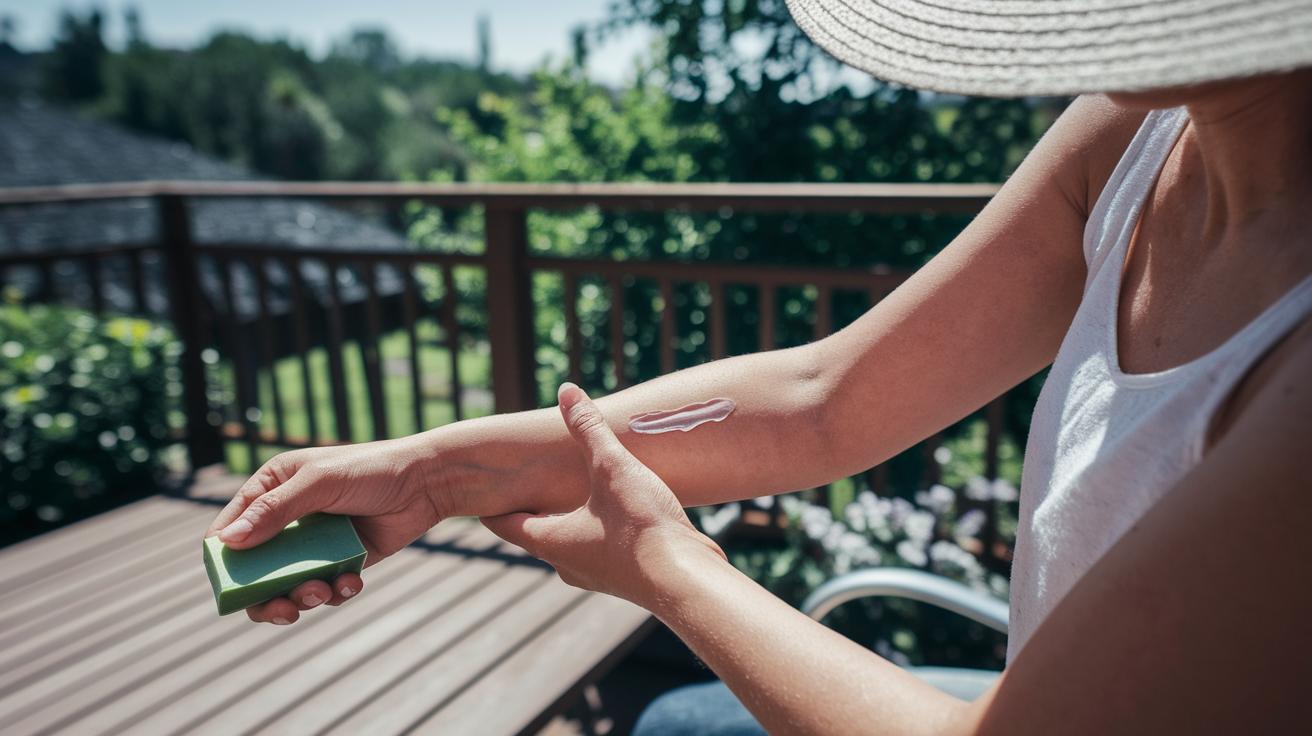
Too much time in the sun can trigger a strong reaction in your skin. When your skin gets hit with a big burst of UV light (sun radiation), it can become overwhelmed. This often shows up as red, sore skin and can even lead to more serious symptoms sometimes. People with light skin or those with sensitive skin may be more at risk because they naturally have less protection. Also, some medicines can make your skin extra sensitive to light. And if you're out when the sun is highest or around surfaces like water or sand that reflect the sun's rays, the damage can become even worse.
- Being in the midday sun can overexpose your skin.
- Reflective surfaces, like water or sand, boost the intensity of the rays.
- Not using sunscreen leaves your skin more vulnerable.
- Some drugs make your skin extra sensitive to sunlight.
Home Remedies and Sun Poisoning Rash Treatment at Home
Taking quick action at home can really help ease a sun poisoning rash. When your skin gets red and sore from too much sun, it helps to soothe the discomfort and protect it from more UV rays. Acting fast can stop the irritation from getting worse and help your skin start to heal.
Simple home treatments can bring down the discomfort and boost the healing process. Keeping your skin clean, dry, and out of the strong sun is very important. These gentle methods not only calm the skin but also ease symptoms like itching and pain.
- Cool compress – Use a cool, damp washcloth on the rash. This can help lower your body temperature and lessen swelling.
- Aloe vera gel – Dab on some pure aloe vera gel to soothe the burning and calm the irritation.
- Fragrance-free moisturizer – Gently apply this type of moisturizer to keep your skin hydrated without causing further irritation.
- Loose clothing – Wear light, airy clothes that let your skin breathe and avoid extra rubbing.
- Oral antihistamines – These can help reduce itching and irritation from the rash.
- Increased water intake – Drink plenty of water. Staying well-hydrated helps your body repair the skin faster.
Keep a close watch on your skin after trying these remedies. If you see more redness or swelling, or if the pain increases, it might be a sign that things are getting worse. And if your symptoms don’t start to improve in a few days or you begin to feel really unwell, it’s a good idea to talk to a healthcare provider.
Medical Treatments and When to Seek Help for Skin Rash from Sun Poisoning

If your rash isn't getting better or seems to be getting worse, your doctor might suggest a cream specially made for sun rash that contains steroids (medicines that lower swelling and itchiness). They might also recommend a pill like an oral antihistamine to manage the allergic reactions that sometimes happen after too much sun. Doctors look for certain warning signs before they start these treatments. For example, if you see symptoms that seem more serious, it's a good idea to contact a healthcare professional right away.
Knowing when to seek help is really important. Here are some signs you should watch out for:
| Warning Signs |
|---|
| Uncontrolled blistering |
| High fever |
| Confusion |
| Severe pain |
| Signs of infection |
These symptoms suggest that the problem might be more than just a normal sunburn. If you experience any of these issues, don't hesitate to get checked by a doctor so you can avoid more serious complications later on.
Prevention Tips to Avoid Skin Rash from Sun Poisoning
You know how fun sunny days can be, but they can also bring unwanted rashes if you're not careful. Keeping your skin safe means using UV protection every time you're out, especially when it's hot. One really simple way to do this is to use a broad-spectrum sunscreen with an SPF of 30 or more (this type of sunscreen protects you from both kinds of harmful rays).
- Regular sunscreen reapplication: Slap on a broad-spectrum sunscreen with SPF 30+ every 2 hours and again after swimming or sweating.
- Protective clothing: Rock long-sleeve shirts, wide-brimmed hats, and sunglasses to block the sun's harsh rays.
- Shade usage: Look for shady spots when the sun is strongest between 10 a.m. and 2 p.m.
- Awareness of reflective surfaces: Be careful near water, sand, or any surface that can bounce extra sunlight onto you.
Making these simple steps a regular part of your day can really pay off. When you get into the habit of applying sunscreen, wearing protective clothes, and finding shade, you build a solid defense against too much sun. This not only cuts down your chances of getting a painful skin rash but also helps your skin stay healthy overall. Soon enough, these little habits will feel natural, letting you enjoy the sun without worry.
Differentiating Skin Rash from Sun Poisoning Versus Other Sun-Related Conditions

Sun poisoning can look a lot scarier than your average sunburn or heat rash. If you notice blisters and even feel feverish or get chills after spending time in the sun, it might be more than just a simple burn. Heat rash, on the other hand, usually pops up in skin folds during hot and sticky weather and fades once your skin cools down. Then there's polymorphic light eruption (PMLE) that shows up as itchy, red bumps soon after you’ve been out in the sun and might recur the next time you get sun exposure. Recognizing these differences can help you figure out if you need to take care of it at home or call in a professional for help.
| Condition | Typical Location | Onset | Key Features |
|---|---|---|---|
| Sun poisoning | Skin that gets a lot of sun like your arms, face, and chest | Starts hours to days after a lot of sun | Blisters, red skin, plus fever and chills |
| Heat rash | Areas with skin folds like under your arms, groin, and elbows | Happens during very hot and humid weather | Small red bumps that clear up when you cool down |
| PMLE | Exposed areas such as your arms and upper chest | Appears within hours of being in the sun | Itchy, red bumps that might come back again |
In short, sun poisoning is marked by a more intense, blistering reaction with extra symptoms like fever, while heat rash sticks to skin folds and PMLE is known for its recurrent, itchy bumps. Have you ever noticed how our skin reacts differently to the sun? It really pays to know these signs so you can care for yourself better.
Recovery Timeline and Skin Barrier Repair After Sun Poisoning Rash
Usually, the rash fades away in about 10 to 14 days if you take good care of your skin. During that time, be kind to your skin and let it mend naturally. Your skin is trying to rebuild its own shield, which keeps in the moisture and blocks out irritants. Using gentle cleansers and avoiding strong chemicals really helps speed up the healing process.
Choose a cleanser that does not strip away your skin's natural oils. And don't forget to use a moisturizer loaded with skin-loving ingredients to help restore your skin barrier. Plus, steering clear of extra sun exposure gives your skin the best chance to heal without any extra stress.
- Gentle cleansing: Use a mild cleanser that keeps your skin's natural moisture intact.
- Ceramide moisturizer: Apply a moisturizer with ceramides (substances that help rebuild your skin's barrier) to support healing.
- Continued sun protection: Avoid direct sun and regularly use a broad-spectrum sunscreen for extra care.
Final Words
In the action, we explored how to spot the signs of sun poisoning and its key symptoms like rash, blisters, and fever. The article outlined risk factors, handy home remedies such as cool compresses and aloe vera, and when to consult a doctor, all while comparing it to common sun-related conditions.
We also went over prevention steps and aftercare tips for smoother skin recovery. Remember, using proper sun protection can help ease skin rash from sun poisoning and keep your skin happier.
FAQ
What do sun rash photos show?
Sun rash photos display skin changes from sun exposure, such as red, irritated patches or even blisters on exposed areas. They help illustrate differences between a typical sunburn and a more severe reaction.
What are effective treatments for sun rash and sun poisoning?
Effective treatments include cool compresses, aloe vera gel, and fragrance-free moisturizers. Oral antihistamines may ease itching, and proper home care prevents further irritation and supports faster recovery.
Why might I suddenly seem allergic to the sun?
Sudden sun allergies can occur from a reaction known as polymorphic light eruption, where your body becomes sensitive to UV rays. This may be influenced by medication changes or environmental shifts, so consider a check-up.
Can sun rash appear on the legs?
Yes, a sun rash can appear on the legs when they are exposed to strong sunlight. The rash typically shows as red, irritated, or blistered spots in areas left uncovered.
How do heat rash and sun poisoning differ?
Heat rash results from blocked sweat ducts in warm, humid conditions, often in skin folds. Sun poisoning, however, affects sun-exposed areas and is marked by intense redness, potential blisters, and sometimes systemic symptoms like fever.
What does a sun poisoning rash look like?
A sun poisoning rash appears as intense redness on exposed skin and may include blisters, swelling, and peeling. It often comes with symptoms like fever, chills, and general discomfort, distinguishing it from a simple sunburn.
How long does a sun poisoning rash last?
Typically, a sun poisoning rash lasts between 10 and 14 days as the skin heals. During this period, the severity gradually diminishes with proper care and avoidance of further sun exposure.
What cream works well for a sun poisoning rash?
Creams with soothing ingredients like aloe vera or prescribed topical corticosteroids can help ease a sun poisoning rash. A fragrance-free moisturizer also aids in reducing inflammation and calming the irritated skin.


