
Have you ever felt like fear is holding you back every single day? It can seem so overwhelming at times, but taking just a quiet moment to think can help shift your perspective. When you notice that nagging inner voice, try to see it as a sign to rethink things. What if every fear could actually be a doorway to happiness?
In this post, we'll walk through simple steps to sit with your feelings, listen gently to your thoughts, and even wonder, "What if everything goes right?" It may sound a bit surprising, but that tiny chance could lead to real change.
Steps to Stop Living in Fear Immediately
Tool #1: Sit With Your Thoughts and Emotions
When fear shows up, try taking a little pause. For a minute or two, breathe slowly through your nose using simple words like "in" and "out." It might sound odd, but it really helps to slow things down. Then, spend about five minutes quietly noticing your thoughts and feelings. Imagine yourself sitting calmly, feeling the solid ground beneath your feet and the gentle touch of your clothes. Ever think that even a famous scientist once found that pausing to notice his thoughts led to great ideas?
Tool #2: Befriend Your Negative Voice
Next, listen when that mean inner critic chimes in. Instead of trying to shut it up, simply acknowledge that it's there. Ask yourself, "What is this voice trying to tell me?" and gently push back against its negative tone. It’s like talking to a friend who is wrong about you. For example, when you catch yourself thinking, "I’m not enough," remind yourself that it’s just a thought and not the whole truth.
Tool #3: Challenge and Ask "What If"
Grab a pen and jot down those fear-filled ideas. Then flip the script by asking, "What if things go right?" Think about what might happen if you take even one small step forward. This simple change turns your fear into a series of questions that help you make calm choices. What if trying something new brings surprising benefits? Try to see each worry as a chance to explore better possibilities.
Tool #4: Use Self-Affirmations Correctly
When negative thoughts start to crowd in, swap them out for positive, clear words. Say affirmations out loud that remind you of your strength and worth, like "I am calm and capable." Let these phrases bounce around in your mind during overwhelming moments, it can really change the way you feel.
Tool #5: Turn Failures Into Success by Failing-Forward
Finally, see each setback as a learning chance rather than a defeat. If things don’t go as planned, think of it as useful feedback to adjust your approach. Every stumble is like a stepping stone, one misstep might lead you to a better path. Imagine missing a bus and then finding a shorter, more pleasant route home. It’s a reminder that sometimes, a little detour can make all the difference.
Recognizing Fear Traps That Keep You Living in Fear

Sometimes, everyday actions like overbuying, eating too much, staying in front of the TV for hours, or scrolling endlessly online can show that fear is calling the shots. You might find that these habits start when you compare yourself to perfect pictures or famous people. For instance, you might splurge on expensive things to get a quick boost, only to feel self-doubt and loneliness again soon after.
At times, chasing a quick feel-good moment stops you from facing the real, deeper worries behind your anxiety. Using these distractions can make you think that a short burst of comfort is the same as true happiness. When you notice yourself sinking into self-pity or shying away from tough challenges, it's a sign that fear of failing or being rejected is keeping you stuck.
It can help to tell the difference between a strong, immediate fear and a slow, ongoing worry that shapes your daily choices. Admit that even little habits might be part of a bigger, unhelpful pattern. Have you ever caught your mind spinning stories of not being good enough or dodging new risks? These are clues that a fear loop might be in charge.
Mind Training to Stop Fear Through Cognitive Restructuring
When fear creeps in, go one step further. Instead of just stopping to swap out negative thoughts, flip the script. Ask yourself, "What would I say to a buddy in this situation?" If you're nervous about a presentation, you might remind yourself that good preparation has helped you succeed before. This simple role reversal helps you see things more kindly and clearly.
Next, try making a simple chart that shows your fear side-by-side with the real facts. Write down what scares you and list the points that prove it wrong. See the example below:
| Fears | Evidence Against |
|---|---|
| Presentation will go poorly | Previous successful talks; thorough preparation |
Another idea is to use an if-then approach for your affirmations. Rather than just saying positive things, set a condition that sparks an action plan. For example, try saying, "If I feel anxious, then I will count my wins to boost my confidence." This way, you turn worry into a clear step to follow when doubt creeps in.
Body Relaxation Methods to Reduce Fear

Sometimes fear can make your body tense and your heart race. One way to help is by using simple body practices that ease both your muscles and your mind. Imagine closing your eyes and tightening each muscle group for about 30 seconds, then slowly letting go of the tension. It feels like giving your body a fresh start. While doing this, you might think, "I feel each muscle relaxing more with every breath out."
Another idea to try is the PowerPose. Just stand with your arms up or wide for a couple of minutes. It reminds you that you have strength even when things seem scary. And if you’re into yoga, sun salutations can be a lovely way to stretch and feel more connected to your breath. Picture moving smoothly like a gentle wave as you breathe in and out, bringing calm to your whole being.
Maybe you need some extra movement? A brisk 30-minute walk or a light jog can help lower stress and replace worry with a peaceful feeling. Even a short, 10-minute dance or free movement session can shake off any lingering tension and gently lift your mood.
| Method | Time/Duration |
|---|---|
| Progressive muscle relaxation (tension and release) | 30 seconds each |
| PowerPose | 2 minutes |
| Sun salutations | 5–10 minutes |
| Brisk walking | 30 minutes daily |
| Dance/movement therapy | 10-minute sessions |
how to stop living in fear: Embrace Joy
Trying natural remedies can really help you feel more at ease and satisfied. Eating a well-rounded meal is a good start. Think about having fish for omega-3 (good fats found in fish), leafy greens and nuts for magnesium (a mineral that helps your body work well), and fruits loaded with antioxidants. Imagine sitting down to a bright, colorful salad with a piece of grilled fish and suddenly feeling a calm wash over you.
Drinking water is a simple, key step. Aim for about eight glasses a day to help keep your brain in balance and lighten your mood. Herbal options, like chamomile, lavender, and ashwagandha, have been used for ages to soothe anxious feelings. And a lot of people toss in a micronutrient blend like wellness greens (https://medsfax.com?p=1933) into their daily routine to fill in any little nutritional gaps.
Mixing a wholesome diet with enough water and these herbal helpers builds a natural way to ease fear. Small tweaks in what you eat and drink can really pave the way for days full of joy and confidence. It’s like nature is gently encouraging you to live without constant dread.
Building Emotional Resilience Through Self-Empowerment Against Fear
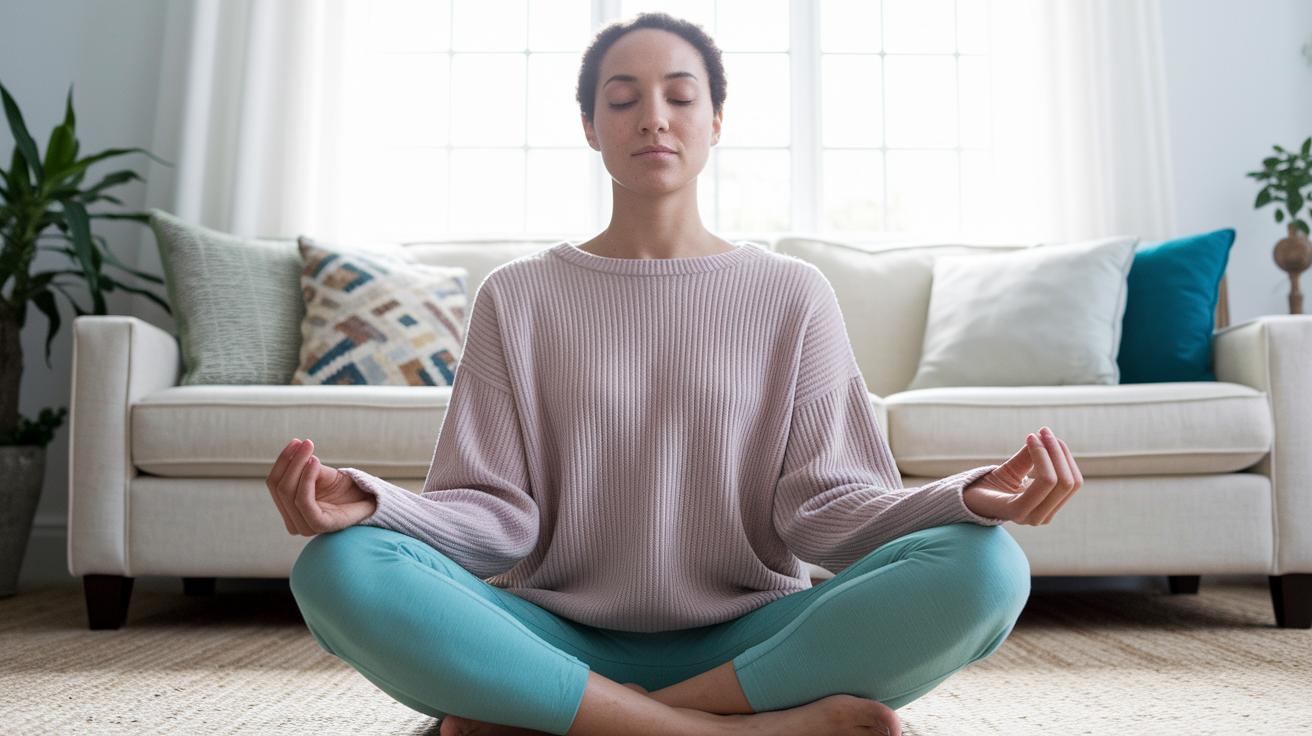
Ever notice how changing the way you talk to yourself can spark real growth? Instead of thinking, "I should try harder," try saying, "I must try harder." It might seem small, but this tweak makes you take charge of your actions and builds a mindset ready to tackle challenges. I remember when I told myself, "I must finish this project no matter what." That little change turned something really big into a challenge I felt excited to meet.
First, change the way you speak to yourself. Next, set small, easy-to-manage goals. When you break a huge task into bite-sized pieces, progress starts to show. It’s like taking baby steps on an exciting journey, with each step adding a bit more confidence.
Then, try a simple daily habit of writing down what you're grateful for. Spending just a few minutes reflecting can push fear aside and highlight all the good moments. Imagine jotting down one thing that made you smile and feeling a gentle warmth spread through your day.
Finally, think back to times when you succeeded, even in little ways. Remind yourself of obstacles you overcame and small wins that made a difference. Each setback, after all, taught you something valuable.
- Change your inner dialogue: switch “should” to “must.”
- Break big tasks into small, clear goals.
- Spend a few minutes each day on gratitude.
- Look back on your wins and learn from every experience.
Daily Rituals to Live Free From Fear
Start your day with 5 to 10 minutes of quiet meditation focusing on your breath. Breathe in slowly while thinking “in,” and breathe out while thinking “out.” It’s like setting a gentle, calm mood for the day, just like watching the soft light of early morning.
After your meditation, take a few minutes to write in your journal. List three worries that pop up and jot down simple, clear steps to tackle each one. For example, if you say, “I’m worried about my workload,” write down easy ideas to manage your tasks better. This little habit helps turn anxious thoughts into solvable problems.
When it’s around midday, give yourself a short 2 to 3 minute break for a guided daydream. Close your eyes and picture a quiet park bench under gentle sunlight. This small mental escape can reset your stress and make you feel comforted again.
In the evening, practice a deep breathing routine to relax and let go of any leftover anxiety. This simple drill can help you sleep better. With regular practice, these daily habits build a calm base that keeps stress and fear at bay.
Final Words
In the action of trying new techniques, we explored practical tools to ease fear. We learned ways to sit with our thoughts, challenge our inner voice, and build small routines that bring calm. The article shared steps like mindful breath exercises and body relaxation tips to help shift anxiety into assurance. We also touched on natural remedies and self-empowerment ideas to keep the balance. By applying these insights, you can genuinely learn how to stop living in fear and embrace a steadier, more positive life.
FAQ
How can I stop living in fear?
The method to stop living in fear involves using practical tools like mindfulness breathing, self-affirmations, and reframing negative thoughts. These strategies empower you to interrupt anxiety and build calm daily habits.
How can I remove fear from my mind and heart?
The approach to removing fear from your mind and heart includes accepting your feelings, challenging negative self-talk, and using grounding exercises. This mix of techniques boosts emotional balance and inner strength.
What are quick ways to overcome fear and anxiety?
The quick ways to overcome fear and anxiety involve deep nasal breathing, a brief pause to reframe your thoughts, and challenging “what if” scenarios. These steps help calm your mind almost immediately.
How can I overcome fear of a specific person?
The strategy for overcoming fear of a specific person focuses on setting clear personal boundaries, seeking support, and shifting your mindset to focus on self-empowerment rather than perceived threats.
Why do I feel scared of everything and constantly live in fear?
The feeling of constant fear often comes from recurring anxious thought patterns and self-doubt. Identifying triggers and practicing mindfulness and cognitive reframing can help reduce the overwhelming sense of fear.


