
Ever wonder if a simple check might change your life? A short biometrics screening gives you clear numbers that can catch small shifts in your health even before any big problems show up.
This easy test reads things like your blood pressure and cholesterol (that is, the fat and fluid levels in your blood). It’s kind of like glancing at your car’s fuel gauge to spot any trouble early. These screenings help you stay ahead and feel good about taking care of yourself every day. Knowing your numbers is a smart move for anyone who wants to keep their health on track.
Understanding Biometric Screening: Definition, Purpose, and Process
Biometric screenings are tests done at work or in local labs that check basic aspects of your health. They measure things like blood pressure, cholesterol, and blood sugar so that signs of heart problems or diabetes can be spotted early. Employers offer these tests as a part of routine care that may help catch issues before they get worse.
These screenings often take place where you can easily get to, like on-site clinics or nearby labs. Before starting, a friendly professional explains the tests and their benefits to help you feel comfortable. Employers use the results to set a health baseline, so any changes can be noticed when you have future screenings.
- Consent and registration: You agree to the screening and fill out a form.
- Physical measurements: A nurse or technician takes readings like blood pressure.
- Blood sampling for lab analysis: A small blood sample is taken to check cholesterol and other markers.
The information gathered builds a clear picture of your current health. This helps to pinpoint areas that might need attention and sets the stage for personal care plans to keep you well over time.
Key Health Metrics Evaluated in Biometric Screening
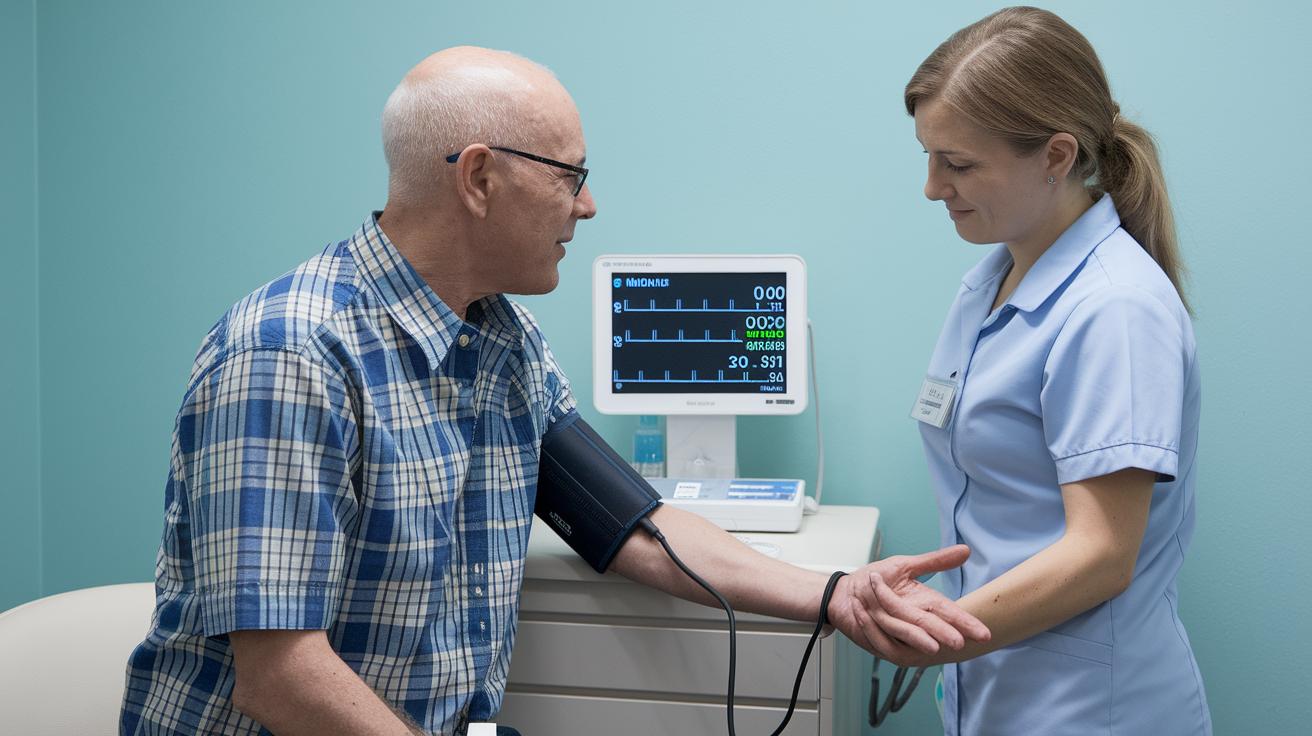
Biometric health metrics give you a clear peek into how your heart and body are doing. These numbers, like cholesterol and blood pressure, are little clues about your overall well-being. When these figures shift, it might be time to adjust your habits before any trouble grows. Think of it like checking your car’s dashboard, small changes might be a hint to take a closer look.
| Metric | Normal Range | What It Indicates |
|---|---|---|
| Total Cholesterol (TC) | <200 mg/dL | Good overall heart health |
| HDL Cholesterol | >40 mg/dL (men) / >50 mg/dL (women) | Protective factor against heart disease |
| Fasting Blood Glucose | 70-99 mg/dL | Risk level for diabetes |
Keeping an eye on these numbers over time helps you and your doctor decide if you need to make changes. A steady rise in total cholesterol or a drop in HDL might be a friendly reminder to adjust your diet or add a little more exercise. Even small shifts in blood pressure can nudge you to manage stress or keep a healthier weight. Checking these key metrics regularly sets up a personal baseline that helps catch changes early, so you can keep feeling your best.
Biometric Screening Methods and Data Collection Techniques
First, you'll get ready for your screening by signing a consent form and filling out a short questionnaire. This paperwork explains the tests and what you should expect. Sometimes you may need to fast a little so that things like your blood sugar are measured correctly. The staff also checks your personal details to make sure everything is right before they take any readings. It all helps ensure the information is spot on and makes you feel comfortable. Just imagine a calm room where a gentle nurse reviews your paper and answers any last-minute questions.
Once you're set, the team uses trusted devices to take your measurements. They might check your blood pressure using a digital tool or even a simple manual method, and they measure your waist too. They then take a small blood sample to look at different health markers. In some cases, they even confirm your identity using a fingerprint or digital ID matching your record. Both the on-site clinic and the lab follow strict rules so that every sample is handled safely and correctly, giving you a true picture of your current health.
Benefits and Implications of Regular Biometric Screening
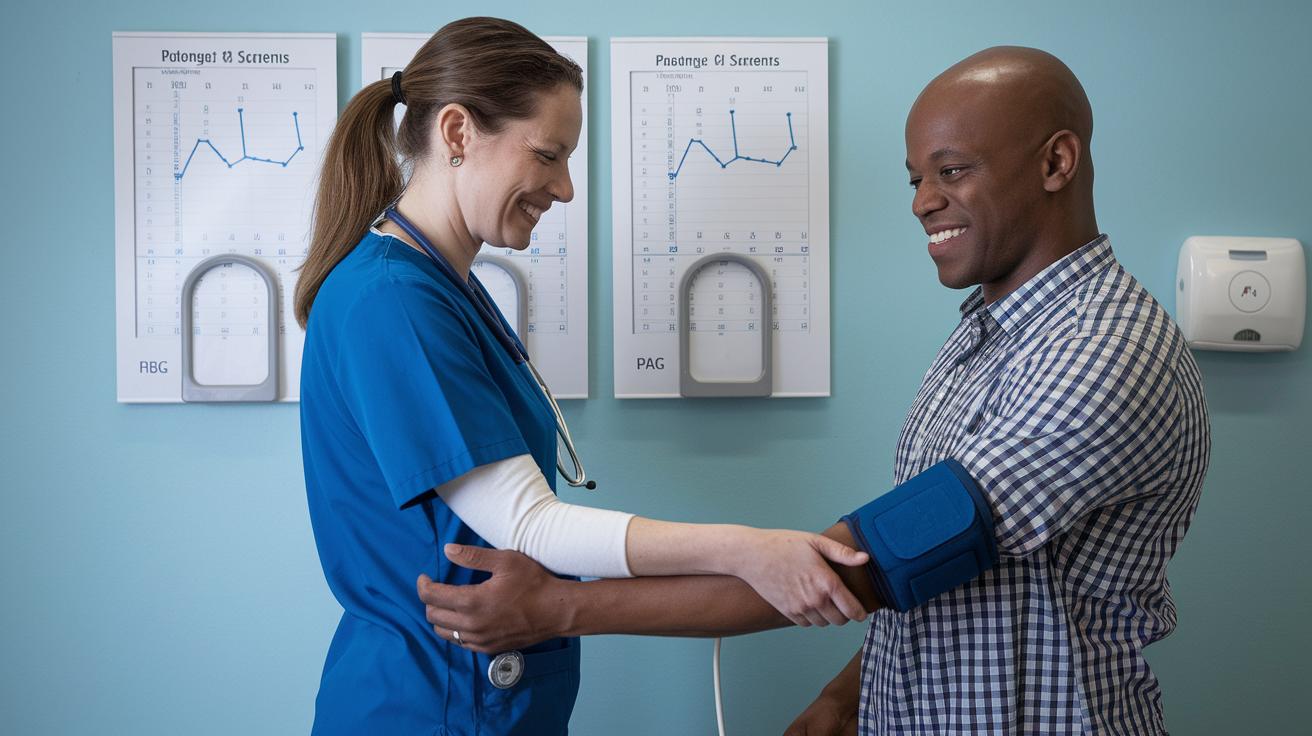
Regular health check-ups that measure things like cholesterol, blood sugar, and blood pressure really help catch problems early. You know that feeling when you find out something might be off? It can alert you to risks like heart issues or diabetes before they get out of hand. This means treatment can start sooner, which can save you a lot of hassle and money later on. Plus, companies can use overall data to tweak health plans and focus more on stopping problems before they start.
When everyone in a workplace gets these screenings, it gives a clear picture of how they're doing health-wise. Regular visits let doctors spot both the obvious issues and the hidden ones, so they can step in quickly when something doesn't look right. This forward-thinking approach not only helps people stay on top of their health but also saves organizations money by preventing expensive, long-term issues. In fact, it helps companies fine-tune their wellness programs, making sure every bit of effort goes where it really matters.
These check-ups often give a little push to take better care of yourself. Imagine noticing a small change in your numbers, maybe a tiny increase in blood pressure or cholesterol. It might be just the reminder you need to take more walks, eat a bit healthier, or simply get some extra rest. Sometimes, it’s those small nudges that lead to a healthier, happier lifestyle.
Biometric Screening within Workplace Wellness Programs
Employers add biometric screenings to their wellness programs so staff can get a clear picture of their health. These simple tests spot early signs of problems like high blood pressure or changes in blood sugar. It’s kind of like having a quick check-up that shows you small changes you can make before things get worse.
Some companies host on-site clinics where friendly health pros walk you through easy tests. Others team up with vendors who bring these checks off-site, fitting neatly into a busy day. And a few even mix biometric checks with services such as vaccination clinics or digital health tools, giving workers a well-rounded care package.
When employers combine all the screening results, they can tailor their wellness efforts to fit everyone’s needs. The numbers tell a story over time, showing patterns that help improve health plans. With clear signs of small shifts, companies can step in with useful advice to prevent bigger health issues down the road.
Cost, Insurance Coverage, and Scheduling for Biometric Screenings
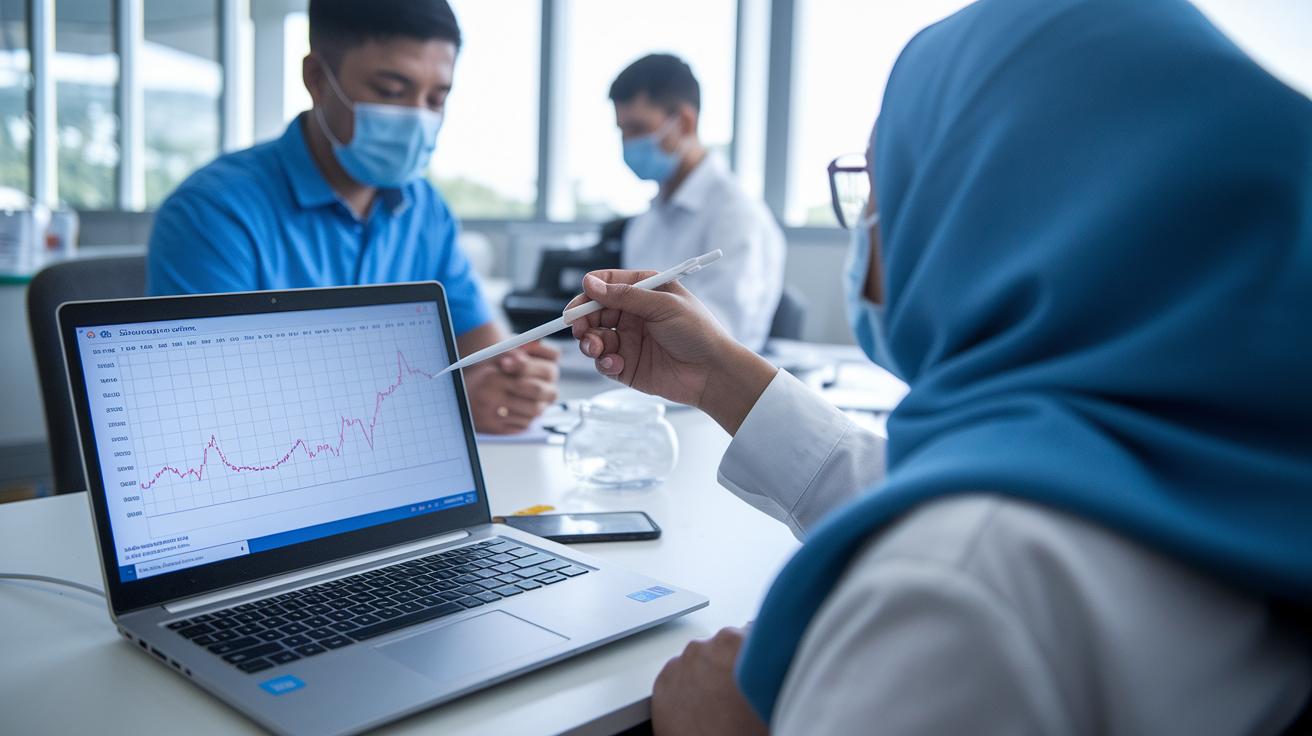
Biometric screenings are often free for employees because they are part of their company's preventive care plan. Many businesses include these health checks in their overall benefits so you usually won't get a bill. Insurance plans are set up to keep out-of-pocket costs low for both employers and workers. It’s a bit like a car check-up where you don’t worry about the bill, letting you focus on feeling good.
Booking your screening is pretty straightforward. Most companies use simple online sign-ups or send email invites to make it easy for you. You can quickly find a nearby lab or on-site clinic, set your appointment, and even get reminders as the date comes closer. Some locations even let you drop in without an appointment, which is handy if you’re busy. Think of it like quickly setting up an email account – fast and easy.
When it comes to scheduling your test, a few small habits can really help. Set a reminder on your calendar as soon as you book your slot so you don’t forget. It also helps to confirm your time the day before if you get text or voice alerts. This way, you can plan your day and give yourself a little time to prepare, like a short fast if needed. These simple tips make the whole process smooth and stress-free.
Interpreting Biometric Screening Results and Next Steps
Your screening report shows your health numbers and how they change over time. The report is set up in a simple way with clear sections for each measurement and graphs that track changes. You might even see a friendly note explaining key numbers like cholesterol or blood pressure, so you know what’s normal for you. Imagine a graph with neat lines showing your results, a small rise in one area might be a gentle hint that you should keep an eye on it.
If one of the readings seems off, your doctor or health coach will probably recommend some follow-up steps. They might ask you to get more tests done or suggest little changes in your day-to-day routine, like getting more exercise or tweaking your diet a bit. For example, you might be told, "Your blood sugar is a bit higher today; let’s do another check and make a small change in your eating habits so it stays on track." This simple plan keeps you involved and cared for.
Your screening results become the heart of your personal health plan. They act like a snapshot of how you’re doing and help guide your next steps. With clear numbers in hand, you and your health professional can update your care plan together. Each new report and conversation helps you feel more in control of your health every day.
Frequently Asked Questions About Biometric Screening
If you're curious about biometric screenings, you're not the only one. Lots of people ask what happens before, during, and after the test. Let's break it down in simple terms.
-
Preparation: What should I do before the screening?
Before you head in, make sure you follow any fasting instructions (which means not eating for a bit) and bring a valid ID with you. -
Test Components: Which tests are included in a screening?
Typically, the screening includes checking things like blood pressure, cholesterol, and blood sugar using a small blood sample. -
Data Privacy: How is my information protected?
Your information is kept safe. Only you and your healthcare team get to see your results, thanks to strict privacy rules. -
Screening Intervals: How often should I be screened?
Many experts say a yearly check-up is enough. But if you have health concerns, your provider might suggest testing more often. -
Result Access: How can I view my screening outcomes?
You usually get a clear, easy-to-read report, and a nurse or health coach will go over it with you to make sure you understand your health status.
Final Words
In the action, our discussion tackled everything from defining biometric screening to the many ways it informs personal care and workplace wellness. We explored how tests establish health baselines, tracked key health metrics, and even outlined the process from registration to lab analysis.
Every step shows how embracing tech can lead to smarter choices and better everyday health. Keep an open mind about your next biometric screening event, it could be the first step toward a healthier you.


