
Have you ever noticed how a few simple questions can lift your mood? Sometimes our thoughts feel heavy, and writing them down can give you a much-needed break.
Imagine tuning a guitar so that each string rings clear and calm. These simple journal prompts help you notice little victories and peaceful moments. They break big feelings into small parts that are easier to manage, sparking self-care and a better view of your day.
Essential Journal Prompts for Mental Health
Sometimes using prompts helps you really feel your emotions and clear your mind. These questions act like little guides, helping you explore what’s inside in a safe, relaxed space. Think of it like tuning a guitar: when every string sings clearly, life feels in tune.
Using these prompts is like breaking down big, heavy feelings into small, manageable pieces. Writing freely about them can ease tension and help you discover tiny moments of calm or sparks of gratitude. For example, you might start with something like, "What small victory did I have today, and why did it matter?"
- Describe a moment today when you felt calm and explain why.
- List three ways you kept anxiety at bay when it crept in.
- Write a short note to thank yourself.
- Recall a tough moment and the steps you took to overcome it.
- Note one thing that made you smile unexpectedly.
- Identify one recurring worry and write a fact that challenges it.
- Share a small change that brightened your mood.
- Write about something that pushed you to keep going.
- Explain how you showed kindness to someone or even to yourself.
- Jot down a note on how you turned a challenge into strength.
Pick a prompt that matches how you feel now. If you’re feeling low, you might try one that invites gratitude or gentle reflection on happy moments. If you’re under a lot of pressure, a prompt about coping methods might be just what you need. Let these prompts guide your writing, helping you connect with your feelings and start healing from the inside out.
Building a Daily Journaling Routine for Mental Health

Every day take a little time for a self-check. It’s like having a small meeting with yourself, first thing in the morning, during lunch, and before bed. You might write something like, "Today, I want to feel calm and focused." These quiet moments help clear your mind, balance your mood, and stop stress from building up.
Picking the right tools can really change the game. Think of a notebook that feels warm and inviting and a pen that writes smoothly on the paper. Try to set up a special, quiet spot, even if it’s just a cozy corner by the window. This little space tells your brain it's time to relax and reflect.
Keep things simple. Set a timer for five minutes, choose a prompt that feels right at that moment, and just start writing without worrying about perfect sentences. Using a calendar reminder or tracking your progress can help you stick with it. Over time, this small daily habit can help you manage stress and keep your feelings in check.
Creative Journaling Exercises to Enhance Mental Well-Being
Art Journaling
Ever try art journaling? It’s a fun way to show your feelings without using words. Grab some paper, scissors, and colors. Draw sketches, make collages, or highlight just the right splash of color that speaks to you. Imagine cutting out pictures from magazines or photos that match your mood; each little piece tells its own story. It’s like giving your emotions a safe space to shine.
Bullet Journal Wellness Spreads
Bullet journal spreads can be super helpful in spotting how you feel every day. With simple bullet points and little icons, you can mark moments of stress or calm easily. You might jot down a smiley face when things are good or a star when you feel proud. This quick logging makes it simple to track your moods and habits. Over time, those dots and sketches give you a clear picture of your ups and downs.
Expressive Free-Writing
Set a timer for 15 to 20 minutes and just let your thoughts spill out. Don’t worry about grammar or structure; it’s all about the flow. As you write freely, you might stumble on feelings or insights you didn’t know were there. It’s like opening a window to let fresh air fill a stuffy room. With every word, you get a bit closer to understanding your inner self.
Printable Layouts and Templates for Mental Health Journals
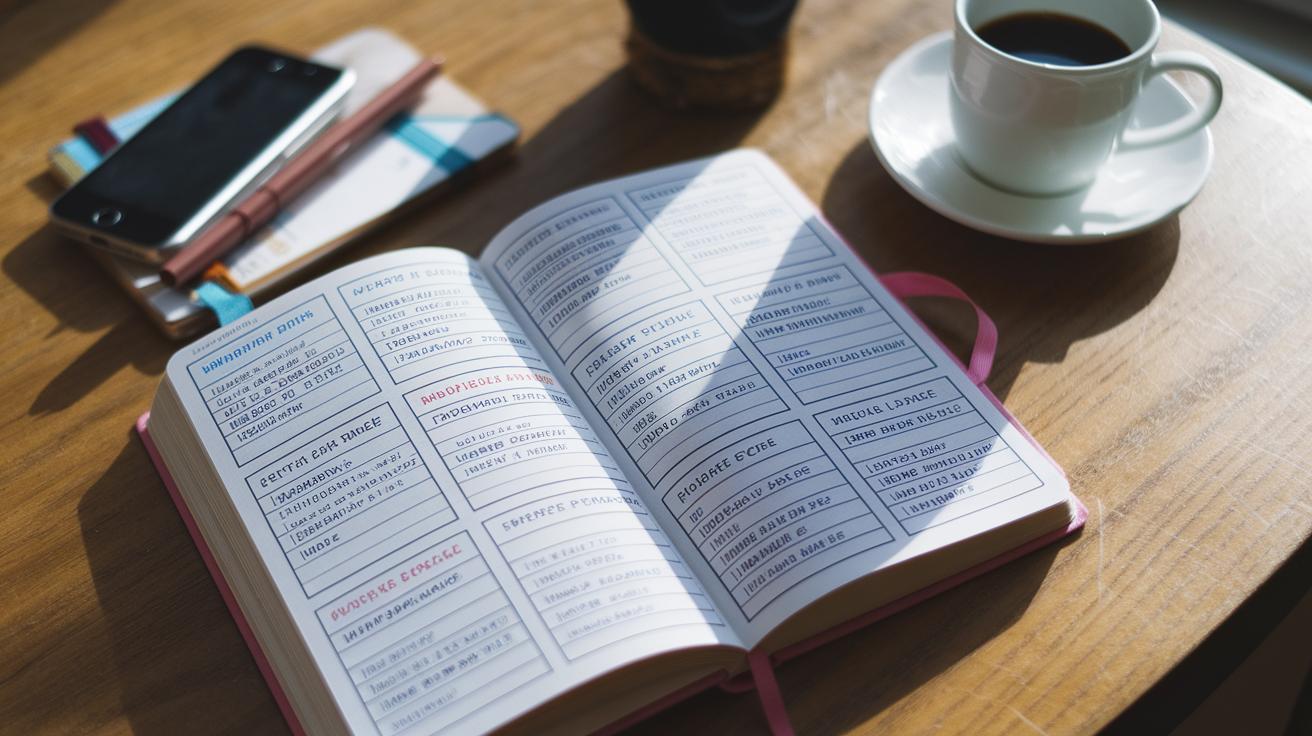
Structured pages can really help set good habits and guide you through self-reflection. When your journal has its own spots for prompts, moods, or even art, it feels less intimidating to write every day. Imagine a page that neatly shows a prompt area, a mood tracker, a spot for gratitude, a space for drawing, and a section for free writing. This setup keeps your thoughts organized and makes it easier to see your progress. It’s kind of like following a simple recipe, just a bit of structure helps your creativity flow. Today, you might say to yourself, "I’ll focus on what made me smile."
Try playing around with different templates that fit your mood. Maybe use a daily prompt box to spark an idea, a weekly mood chart to reveal patterns, or a monthly gratitude grid to remind you of all the good things. For mood tracking, you could even try a template inspired by the wellness wheel (a tool that helps you see different areas of your well-being). Whether you print these out or fit them into your digital journal, tailoring your layout can make each day feel a bit more manageable and fun.
Advanced Therapeutic Journaling Techniques for Mental Health
Mindfulness journaling helps you watch your negative thoughts in a calm way as you write. It feels like you’re having a quiet chat with yourself. You notice a fear or worry and see it for what it is. With simple steps, you gently ask, "Is this really true?" This way of writing builds strength and helps you grow over time.
Try using trauma recovery prompts when past hurts feel too heavy. These prompts guide you to look at memories and feelings safely with clear, grounding questions. Some people like to review their notes each week to spot repeating themes or changes in their mood. When this journaling is combined with overall wellness ideas in holistic wellness practices (ways to improve your health naturally), it becomes a trusted friend that helps balance your thoughts and feelings.
CBT-Based Reflection
Pick a negative thought, write down the reasons it might be true and not true, then think of a fair, balanced view.
Trauma-Focused Guided Prompts
Ask clear questions that make you revisit safe memories or comforting thoughts. This way, you let your past be seen without it taking over your present.
Overcoming Common Journaling Blocks in Mental Health Practice

Lots of folks run into obstacles when they try to write down their thoughts. Sometimes, we overthink every word because we want them to be perfect. Other times, our feelings hold us back from sharing what’s on our mind. And then there’s the pressure of limited time, which can make journaling seem like just another chore.
One trick that might help is to set a timer for five minutes and just let your thoughts spill out, even if it gets a bit messy. You can try a simple question like, "What is one small feeling I’m noticing right now?" It’s all about starting small and letting the ideas come naturally. Remember, the goal isn’t to write perfectly, it’s to get in touch with your feelings and process them in your own way.
It also helps to see journaling as a way to support your overall well-being, not as a substitute for professional help. Using these easy, mindful ideas can let you explore your feelings at your own pace. In truth, those little honest notes can become a great way to boost your stress management techniques and remind you to be kind to yourself.
Final Words
In the action, the article showcased how focused prompts set the stage for reflective writing and stress relief. It outlined practical daily routines, creative exercises, structured templates, and even advanced therapeutic techniques.
Utilizing journal prompts for mental health can spark self-discovery and offer a calm moment amid a busy day. Each suggestion and layout invites you to explore your thoughts in a simple, honest way. Let this guide inspire you to embrace a new routine that brings clarity and hope.
FAQ
What are journal prompts for mental health?
The journal prompts for mental health are guided questions and reflective topics that help you process emotions, reduce stress, and build self-awareness through structured writing.
How do I start journaling for mental health?
The examples for journaling for mental health kick off your practice by suggesting a quiet writing spot, a simple prompt, and a few focused minutes daily to express your thoughts honestly.
What are 5-minute journal prompts?
The 5-minute journal prompts are short writing tasks designed to be completed quickly, offering a brief check-in to anchor your thoughts and manage stress during busy moments.
Where can I find printable and free journal prompts for mental health?
The printable and free mental health journal prompts are available as PDFs and shared on community sites like Reddit, providing ready-to-use layouts for guided reflective writing.
What journal prompts support self growth?
The journal prompts for self growth encourage you to examine personal challenges, celebrate progress, and build a deeper understanding of your emotions through active reflection.
What journal prompts are best suited for teens?
The journal prompts for mental health teens target topics such as daily gratitude, stress relief, and creative expression, making reflective writing accessible and beneficial.


