
Ever wonder if a little change in your meals could make your day feel more comfortable? I once thought about this myself. Probiotic foods, like yogurt, kefir (a kind of fermented milk drink), and sauerkraut, act like tiny helpers in your gut. They bring good bacteria that make digestion smoother and boost your overall gut health.
These foods work hard to keep your inner system in balance, almost like trusted friends making sure everything runs fine. Have you ever noticed how a good meal can lift your mood? Adding these natural allies into your diet might just give your tummy the boost it deserves.
Understanding Probiotic Foods for Digestion: Science & Benefits
Probiotics are live little helpers that keep your digestive system in check by boosting the good bacteria and managing the not-so-useful ones. They even help with your gut's nerve signals (those are the messages that tell your stomach how to work). For example, did you know that bacteria like L. acidophilus in your yogurt can really shape how you digest food and ease issues like irritable bowel syndrome?
The science behind these tiny organisms shows that adding probiotic foods to your meals might help manage problems like inflammatory bowel disease, diarrhea, and even eczema and allergies (skin conditions). They work by keeping your gut balanced, which also supports your immune system. Research suggests that when your gut is happy, your body is better at protecting itself.
There is no strict rule about how many probiotic foods you should eat each day. The simple idea is to add them into your meals regularly. Try a serving of yogurt, a spoonful of sauerkraut, or a glass of kombucha to give your gut a little boost. Even small, consistent additions can really help keep your digestive system humming.
Studies have shown that these foods work by introducing specific strains that work together to support your gut. They naturally boost your intestinal flora in a way that helps your body digest food better every day.
Dairy-Based Probiotic Foods for Digestion: Yogurt, Kefir & Alternatives
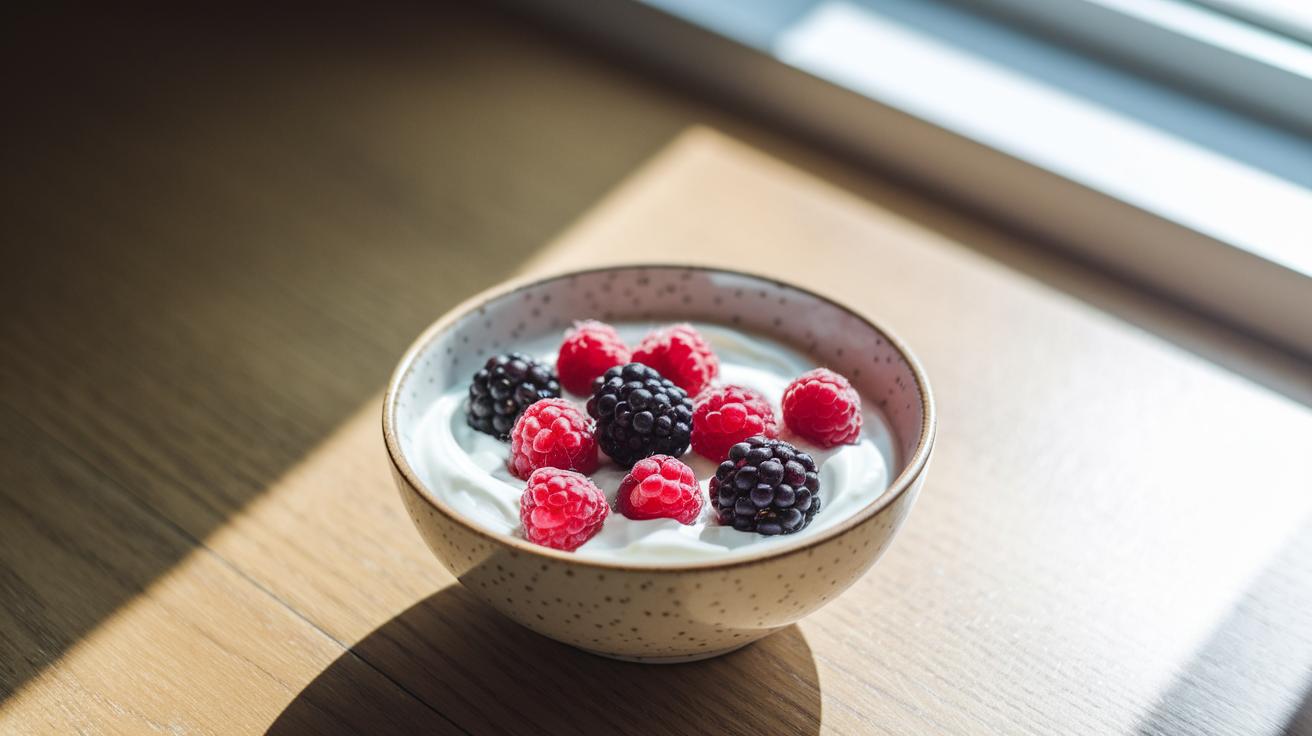
Greek yogurt is a great way to boost your digestion. It’s packed with L. acidophilus (a helpful bacteria) that works to balance the natural microbes in your gut and keep your tummy happy. Made from milk of grass-fed, organic cows, it has a creamy, tangy taste that many people love. Imagine a bowl of this yogurt mixed with fresh berries, it’s a treat that satisfies your taste buds and supports your digestion.
Kefir, on the other hand, offers nearly three times the probiotic strains found in yogurt. This fermented milk drink has a thinner, more drinkable consistency, so it’s ideal for sipping on the go. By adding kefir to your diet, you bring in a mix of live cultures that can help your body digest lactose (milk sugar) and give your gut some daily help. Picture starting your morning with a refreshing glass of kefir, it’s like a cool, gentle wake-up call for your stomach.
If you’re lactose intolerant or prefer not to use dairy, don’t worry. There are plenty of non-dairy, probiotic-rich choices. Almond-milk yogurt and coconut kefir work well as alternatives, providing the same live cultures as their dairy counterparts while meeting different dietary needs. They add a fun twist to your meals, ensuring your gut still gets that beneficial boost, even without traditional dairy.
When shopping for probiotic foods, check the label to make sure they have live cultures and quality ingredients. Try both dairy and dairy-free options to see what fits best in your routine. Enjoying these foods regularly offers natural support for your gut and helps keep you feeling balanced.
Plant-Based Probiotic Foods for Digestion: Fermented Veggies & More
Fermented vegetables like sauerkraut and kimchi are little treasures for your tummy. They are made from cabbage and are full of friendly bacteria (tiny helpers that improve digestion) and natural enzymes (chemicals that break down food). They have a tangy taste and a satisfying crunch that can brighten any meal. Ever try a spoonful of sauerkraut on your sandwich? Its crisp bite not only lifts your dish but also gives your gut a gentle boost.
Kimchi is another tasty option. With its spicy kick and mix of vegetables, it adds a burst of flavor with every bite and supports your digestion. These time-honored recipes come from traditions that have perfected their methods over many years. I like to think of a small serving of kimchi as a little celebration for your digestive system.
Soy-based fermented foods such as tempeh, miso, and natto bring even more variety. They offer live cultures along with plant protein, making them a great way to keep your diet interesting. Tempeh has a firm texture and a nutty taste that fits perfectly in stir-fries. Miso is great in soups and sauces, while natto, with its unique aroma, is a fun, gut-friendly addition.
Traditional Asian fermentation techniques turn these foods into enzyme-rich superfoods that help your body absorb nutrients and keep your digestion balanced. These plant-based probiotic foods offer a delicious and easy way to support a healthy gut.
Probiotic Beverage Foods for Digestion: Kombucha & Fermented Drinks
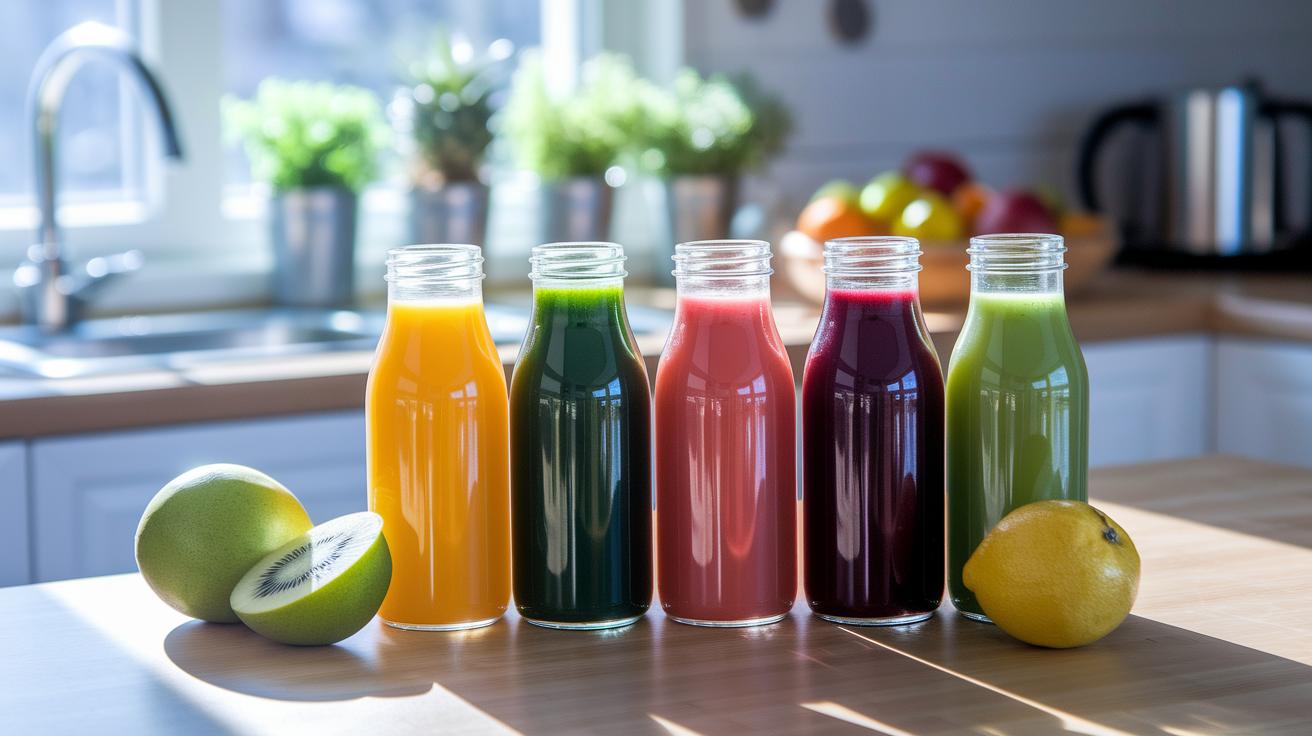
Kombucha is a special tea that has been left to ferment so it can give you a natural energy boost, help clean out your liver, and support your digestion. Imagine starting your day with a tangy, fizzy drink that refreshes you while gently waking up your stomach to do its job.
Fruit and vegetable juices that have gone through natural fermentation are also great for your gut. They come with live cultures (tiny friendly bugs) and antioxidants (substances that help protect your cells). Think of a cool apple or carrot juice that has been left to ferment for a few days, developing a soft fizz and a tasty kick. These drinks provide a fun and delicious way to add more helpful bacteria to your diet.
Water kefir is a good non-dairy option that works well, especially if your stomach is a bit sensitive. It’s super simple to make at home with just a few basic ingredients, making daily gut support easy for anyone.
To make your own fermented drink:
- Mix your favorite juice with kefir grains or a kombucha SCOBY.
- Cover the jar and let it sit at room temperature for 2 or 3 days.
- Then, pop it into the fridge and enjoy a cool, naturally bubbly beverage that helps balance your gut.
Meal Planning with Probiotic Foods for Digestion: Recipes & Tips
When putting together meals, try centering them around probiotic foods that bring live cultures to your plate. Picture a breakfast bowl where creamy yogurt meets layers of fruit, oats, and a gentle drizzle of honey. Mixing in prebiotic fibers (like those found in bananas and oats) with these live-culture foods creates a kind of team effort for your gut. Every bite feels like a small celebration for your belly.
If you're looking for a fun twist, give a homemade sauerkraut salad a shot. Start by finely shredding cabbage and letting it ferment until it turns tangy. Then, toss it with fresh greens, shredded carrots, and a squeeze of lemon juice. This simple recipe not only wakes up your taste buds with its zesty crunch but also offers the extra benefits that come from fermentation.
On those busy days when time is short, consider some quick, gut-friendly snacks. Imagine blending a kefir smoothie with berries and a few ice cubes, it's both refreshing and easy. Or try spreading a bit of kimchi on whole-grain crackers. These little snacks pack a punch with live cultures and a burst of flavor, perfect for keeping you energized on a hectic afternoon.
Probiotic foods work just as well in savory meals. A warm bowl of miso soup or a hearty rice bowl topped with a serving of kimchi can do wonders for your digestive health. Each ingredient, whether it's the savory miso or the crisp bite of kimchi, plays its part in creating a meal that feels both satisfying and kind to your gut.
So, why not make meal planning a fun adventure? Mix and match different probiotic foods with high-fiber ingredients and see how they work together to boost your digestion while keeping your meals delightfully varied.
Probiotic Foods for Digestion: Safety, Dosage & Best Practices

When you think about feeding your gut with live cultures, safety is key. Some acidic ferments like apple cider vinegar can be a bit much. They might upset your stomach, irritate your throat, or even wear down your teeth. Start slow. Try a small serving of yogurt or a little bowl of sauerkraut and see how your tummy feels.
There is no hard rule for how much to enjoy. Many folks begin with one or two servings a day, and if you feel fine, you can gradually add more. Picture easing into a cool pool on a hot day. This small start helps avoid surprises.
It also makes sense to mix in foods that have both live cultures and prebiotic fibers (prebiotics are like food for the good bacteria), such as bananas or oats. They work together to support your gut wall and keep the tiny helpers in balance. Think of the live cultures as mini gardeners tending a small, green patch.
Focusing on whole foods gives you more than just bacteria. They also bring helpful nutrients and enzymes to the mix. Whole food options can sometimes be better than supplements for your everyday needs. And if you notice any discomfort or bloating, maybe take a step back and adjust the servings a bit. Small changes can really help in making your gut routine feel just right.
Final Words
In the action, we explored probiotic foods for digestion and how they support a healthy gut. We took a close look at dairy, plant-based, and beverage options, such as yogurt, sauerkraut, and kombucha, along with easy meal ideas that add live cultures to your diet. Safety tips and dosage advice add practical value for everyday use. The insights here bring real benefits, empowering you to enjoy improved digestion and wellbeing every day. Give these ideas a try and feel the positive impact firsthand.
FAQ
What are the top 20 probiotic foods?
The top 20 probiotic foods include dairy-based options like yogurt and kefir, plant ferments such as kimchi and sauerkraut, fermented beverages like kombucha, and innovative recipes that blend live cultures with fresh ingredients.
What prebiotic foods are available?
Prebiotic foods are rich in fibers that feed good gut bacteria. Examples include garlic, onions, bananas, and whole grains, which work in tandem with probiotics to support digestive health.
What probiotic fruits and vegetables are recommended?
When it comes to probiotic fruits and vegetables, fermented produce like sauerkraut, kimchi, and pickled vegetables deliver live cultures, while fermented fruit juices or water kefir made from fruits provide similar benefits.
What food is highest in probiotics?
The food highest in probiotics is often yogurt or kefir, both of which contain a broad range of live cultures that help boost gut health and support a balanced digestive system.
What probiotic Indian foods can I enjoy?
Probiotic Indian foods include traditional fermented pickles, lassis made with live yogurt, and dishes featuring fermented lentils, all blending rich flavors with digestive benefits.
What benefits do probiotic foods offer?
Probiotic foods help balance gut bacteria, support digestive function, and may boost immunity by maintaining a healthy microbial environment in the gut.
Can children eat probiotic foods?
Probiotic foods are generally safe for children when introduced gradually, as they help maintain digestive health; it’s a good idea to check with a pediatrician for personalized advice.
What are natural probiotics for babies?
Natural probiotics for babies include breast milk and small amounts of age-appropriate yogurt, which provide gentle, beneficial bacteria to support early digestive health.


