
Have you ever pictured a future where waiting rooms are a thing of the past? Today, connected health brings care right to your home with clever tools like AI (smart computers that learn) and IoT (devices that share info). This new approach helps doctors keep a close eye on your health and jump into action when needed. In this post, you'll learn how these methods make care feel personal and work fast.
Overview of Connected Health Solutions in Modern Care
Connected health solutions bring together smart tools like AI (computers that can learn), machine learning (computers getting better at tasks), IoT (devices that talk to each other), and telehealth to help you get care without always visiting a doctor. They let patients be watched over from afar, run tests in different places, send quick emergency alerts through mobile systems, and even offer virtual doctor visits. It’s a neat way to make health care faster and easier, especially after COVID made us rethink the old ways.
These systems lean on five main pieces to keep care safe and steady. They collect data automatically and use mobile apps so your health gets checked around the clock. This constant link means doctors can get important info quickly and act fast when needed.
| Essential Elements |
|---|
| Patients |
| Providers |
| Devices |
| Connectivity |
| Platforms |
These new systems not only help doctors make better diagnoses but also make it easier for them to stay in touch with their patients. With information coming in real time from lots of different sources, health professionals can really understand how someone is doing and change the treatment quickly if needed. By mixing modern digital tech with the care we’ve always known, connected health solutions are helping make care more personal and effective.
Technologies Powering Connected Health Solutions
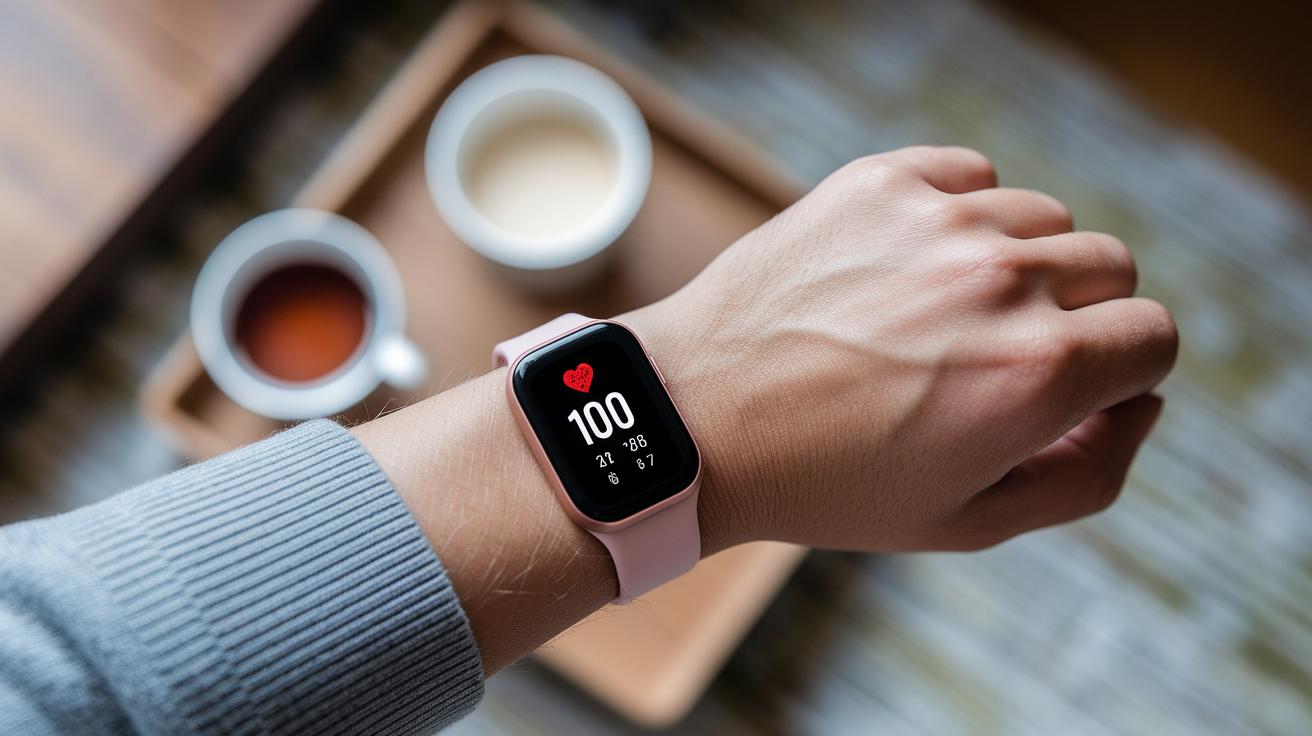
These days, digital tools are totally changing how we take care of our health. Smart systems use things like AI (computers that learn), ML (systems that improve over time), IoT (devices that talk to each other), and telehealth to check vital signs and collect health data automatically. This mix of tech means doctors can care for you faster and with a more personal touch. New systems also update older ones, move work to the cloud (big online storage), and even help in emergencies, keeping your health data safe and moving smoothly.
IoT Connectivity
IoT links devices together into one network where they share info through set rules. Your heart rate or body temperature from a wearable can be sent straight to your doctor's system. This live tracking helps spot any changes right when they happen, giving health teams a clear view when it matters most.
Wearable Sensors
Wearable sensors come in many forms that record info either every minute or all the time. They send updates to mobile apps so that both you and your doctor can easily watch trends in your health. For instance, these sensors can work with digital symptom trackers that let you know right away if something seems off, mixing comfort with reliable data.
Telemedicine Platforms
Telemedicine platforms let you meet with your doctor through video calls on secure, easy-to-use systems. They bring together different software that works smoothly together. Plus, they handle scheduling so you can see your doctor without leaving your home. This setup saves time and makes it easier for everyone to get the care they need, no matter where they are.
| Technology | Primary Function |
|---|---|
| IoT Connectivity | Real-time data transfer and vital sign monitoring |
| Wearable Sensors | Continuous health data capture and mobile app integration |
| Telemedicine Platforms | Video consultations and scheduling management |
Connected Health Solutions Ignite Enhanced Patient Care
Connected health solutions give you live updates on your well-being. They let you see changes as they happen and check important signs through simple monitoring systems. You might get a quick alert when your treatment needs a little switch-up, and that kind of feedback really builds your confidence. I once heard about someone with a long-term illness who used this tracking software to keep tabs on daily numbers. It made them feel like they had the reins over their health.
Many of these systems work through one simple platform that pulls all your health info together. Whether it’s data from your home devices or check-ups at the clinic, everything comes into one clear picture. This means you can easily look at your records and see trends before your virtual visits. So, you’re more prepared when chatting with your doctor, which feels both reassuring and empowering.
The benefits aren’t just for patients. Doctors and clinics love these systems too. They help hospitals, clinics, and even home care devices share information quickly so everyone stays updated. With fewer mix-ups and faster alerts, there are fewer trips to the emergency room. Plus, smart tools here can predict risks and guide personalized treatment plans. All that improved info means faster and smarter decisions, making everything work a bit smoother.
In the end, connected health tools boost safety and satisfaction by keeping you informed in real-time and tracking your overall health. This approach not only makes the care smoother but also helps you take proactive steps to manage your own health.
Security and Compliance in Connected Health Solutions

Connected health systems have a lot on their plate. They need to follow strict rules like HIPAA and GDPR, pick trustworthy vendors, find reliable hardware, and keep data links secure with encryption. This really matters because controlling who sees sensitive information is key. Every data transfer must be watched closely to keep patient records safe.
Modern health platforms rely on solid frameworks to build cybersecure systems. They often use managed detection and response services along with cloud security methods (ways to protect data using online systems) to block threats. These measures not only help meet privacy rules but also set clear guidelines on who can view or change data. Detailed audit trails and breach notifications add an extra layer of safety.
By putting smart security measures in place, these platforms manage to share data quickly while keeping tight control over sensitive details. With strong compliance rules and a focus on secure clinical communications, they build trust among patients and providers and keep safety and privacy right at the forefront.
Overcoming Common Implementation Barriers in Connected Health Solutions
A lot of clinics run into bumps when they try to upgrade their health systems. Old EMR/EHR software and gaps in system connections (basically, ways for devices to talk to each other) can slow things down. And then there’s the extra load of training staff and managing vendors, making everything feel even more complicated.
One smart approach is to use FHIR and HL7 standards (simple, shared rules for data exchange). Rolling out upgrades in small steps lets teams test new systems bit by bit, which helps reduce stress and catch glitches early. Partnering with experts who offer managed services or have in-house IoT know-how can also take the guesswork out of setting up proper device communications. Pilot programs are like trial runs, they give clinics a chance to tweak workflows before switching over completely.
Listening closely to everyone involved is key. Bringing in feedback through these pilot programs helps smooth out rough patches along the way. In the end, beating these hurdles means planning carefully, keeping lines of communication open between staff and vendors, and being ready to adjust when new challenges pop up.
Comparative Insights on Leading Connected Health Platforms
Platform A offers custom software made just for large hospitals. It even connects with emergency response apps so teams can react quickly when moments matter. This setup is great for big hospital networks that need systems built to their needs. Think of it like a digital switchboard that alerts the right people exactly when they’re needed.
Platform B is designed to run in the cloud and keeps an eye on patients from a distance. It uses smart AI (artificial intelligence, which means computer programs that learn) to spot early warning signs and automates routine reports with robotic process tools (simple, automated systems). It’s almost like having a quiet digital helper that makes everyday work a little easier.
Platform C centers around wearable devices that track health in real time. With mobile apps that let patients monitor their own well-being, it’s a perfect match for practices that want a friendly way to encourage self-care. Imagine getting little health updates right on your phone throughout your day.
Platform D focuses on managed services with a strong commitment to privacy and cloud security. It brings in digital tools like smart displays and extended reality (tech that adds digital images to the real world) to perform well while keeping patient records safe. Think of it as a high-tech vault that stores and shows important health data securely.
Platform E combines everything into one unified care system with next-generation telemedicine. By integrating complete electronic patient records and cloud-based health data, it offers a clear snapshot of each patient’s condition. It’s like having one all-in-one system that allows for quick and confident care decisions.
Future Trends Shaping Connected Health Solutions
Technology in connected health is moving super fast. Tools like predictive analytics now help catch early signs of chronic issues, and AI systems are chipping in with diagnosis and treatment ideas. Simple robots handle data flows while extended reality (tech that puts digital images on top of the real world) makes remote training and patient lessons easier. Cloud security is beefing up with strict zero trust (making sure even known users are checked), and telemonitoring gadgets are getting tinier and more energy-saving. Imagine a small wearable that quietly checks on your health all day.
New expectations from patients and better telehealth payments are pushing these changes. Wearable tech is making care easier to get, and doctors are stepping up to meet the growing demand. Hospitals and clinics are choosing smart, budget-friendly tools to offer care before problems start. This fresh approach not only boosts patient well-being but also smooths out daily tasks, paving the way for a smarter, quicker health system.
Final Words
In the action, the post broke down how modern connected health solutions bring together tech and care. It explained how sensors, platforms, and security measures work together to support patient monitoring and remote care.
We saw how patient benefits, system performance, and emerging trends shape these integrated systems. With a clear look at overcoming old tech issues, the post leaves us optimistic about the bright future of connected health solutions.
FAQ
Connected health solutions locations
The connected health solutions locations vary by provider, with centers in urban and suburban areas and digital services that extend care to rural locations. These centers combine physical and virtual access for comprehensive care.
Xtensys Connected Health Solutions careers
The Xtensys Connected Health Solutions careers offer opportunities for roles in technology, healthcare management, and customer support within a company that builds and maintains integrated health systems for diverse populations.
What is connected health?
The connected health term describes systems that join mobile apps, wearables, and telemedicine to monitor patients and coordinate care remotely. It supports proactive and patient-based health management.
Connected Health Centers
The connected health centers refer to specialized facilities or virtual hubs that provide integrated care services. They combine digital technologies with in-person support to enable remote consultations and timely health monitoring.
Connected Health+ app
The Connected Health+ app describes a mobile tool designed to offer remote patient monitoring, virtual consultations, and care management. It aims to streamline interactions between patients and their health providers.
Connected health travel nursing
The connected health travel nursing refers to nursing roles that use digital health tools while taking temporary assignments across different regions. These positions enable nurses to deliver care efficiently while enjoying flexible work opportunities.
Included Health
The term Included Health represents a specific healthcare provider known for offering integrated care models. Their programs typically combine digital tools with traditional services to meet the needs of a diverse patient base.
Is connected healthcare legit?
The query on legitimacy means many connected healthcare platforms are regulated and meet industry standards. Still, it is wise to research certifications, reviews, and official credentials to confirm credibility.
Who is the CEO of Connections Health Solutions?
The question indicates that the CEO of Connections Health Solutions is the company leader responsible for strategic decisions and operations. For precise information, consulting the official company website is recommended.
What does a health solutions consultant do?
The health solutions consultant advises healthcare providers on implementing integrated digital strategies. They work to align technology with care needs to improve workflow, patient outcomes, and overall service efficiency.


