
Have you ever noticed how some people rarely seem to get colds? Picture this: every day, you feed your body a dose of good bacteria, helping it stand up to unwanted germs. Foods like yogurt and kefir are packed with probiotics (friendly bacteria) that keep your stomach in balance and give your immune system a little boost. Researchers even say these live cultures help keep harmful germs away and support smooth digestion. Today, I'll share five surprising perks of probiotic foods that can boost your immunity and help you feel your best.
Probiotic Foods’ Impact on Digestive Health and Immune Function
Probiotic foods help our bodies by keeping gut bacteria balanced. These live cultures even manage immune cells in our gut. Did you know that strains like Lactobacillus rhamnosus and Bifidobacterium lactis can shorten bouts of infectious diarrhea? They quickly restore balance in your gut, making it tough for harmful germs to take hold.
These good bacteria also boost digestion by fixing the natural mix of germs in your system. Many people find that adding fermented foods like yogurt and kefir to their meals eases issues such as diarrhea, ulcers, or allergies. When your gut works well, it absorbs more nutrients and leaves you feeling full of energy throughout the day.
Probiotic foods can help with problems linked to H. pylori (a bug known to cause stomach inflammation and ulcers). Imagine starting your morning with a cup of kefir. Its live cultures help clear away unwanted bugs and soothe your gut. It’s like a little team inside you, working quietly to keep your belly happy.
Some new studies even suggest these foods can support weight management. Probiotics might change how your body takes in fat, balance hunger hormones, and boost energy extraction, all of which help keep your metabolism healthy.
Eating probiotic foods every day not only makes your gut work better, but also gives your immune system a natural lift. This extra support helps your body fight off infections while keeping your digestive system in top shape.
5 benefits of probiotic foods spark strong immunity

Yogurt and kefir pack in live cultures such as Lactobacilli and Bifidobacteria. These friendly germs help your body grab nutrients and break down lactose (the milk sugar), making your belly happier. Have you ever tried adding a cup of kefir to your day? It can lead to smoother digestion and a friendlier gut vibe.
Kimchi is another standout fermented food loaded with fiber, vitamins C and K, and helpful bacteria. These ingredients work together to keep your digestion on track and your tummy comfortable. Sauerkraut is pretty similar, offering a rich mix of nutrients that naturally boost gut strength.
Kombucha brings acetic acid and antioxidants into the mix, which can help detox your system and keep your metabolism active. Plus, fermented beans and cereals bring a mix of different strains into your gut. This variety can support your body’s natural defenses, helping you feel more robust.
Here are five clear benefits:
- Yogurt and kefir help your body absorb nutrients better.
- Kimchi and sauerkraut keep your digestion balanced.
- Kombucha aids in detoxification and metabolic health.
- Fermented beans and cereals add variety to your gut bacteria.
- Together, these foods work to strengthen your overall immunity.
Each of these choices offers its own perks. Mixing them into your diet is a tasty way to keep your gut resilient and boost your immune system naturally.
Scientific Evidence for Probiotic Foods in Nutrient Absorption and Microbial Diversity
Research shows that foods like yogurt help your body grab more vitamins and minerals while also boosting the good bacteria living in your gut. These live cultures work at the cell level to make extra vitamins B and K and help your body absorb minerals like calcium and magnesium. Imagine them as tiny factories churning out the nutrients your body needs.
Not only do they pump up vital vitamins, these probiotic foods add a mix of different good bacteria to your digestive system. They work closely with fiber (the part of food that feeds your gut) to calm down inflammation and even help your gut chat with your brain. Have you ever noticed how a healthy gut can make you feel more alive?
Here are some key points to remember:
- They boost vitamins B and K and make it easier for your body to take in minerals.
- A variety of live cultures keeps your digestive system balanced.
- Working with fiber, they help reduce inflammation and keep gut-brain communication strong.
Scientists tie these discoveries back to earlier findings about how our bodies absorb nutrients and manage gut health, revealing even more about how these fermented foods support long-lasting wellness.
How to Incorporate Probiotic Foods into Your Daily Diet
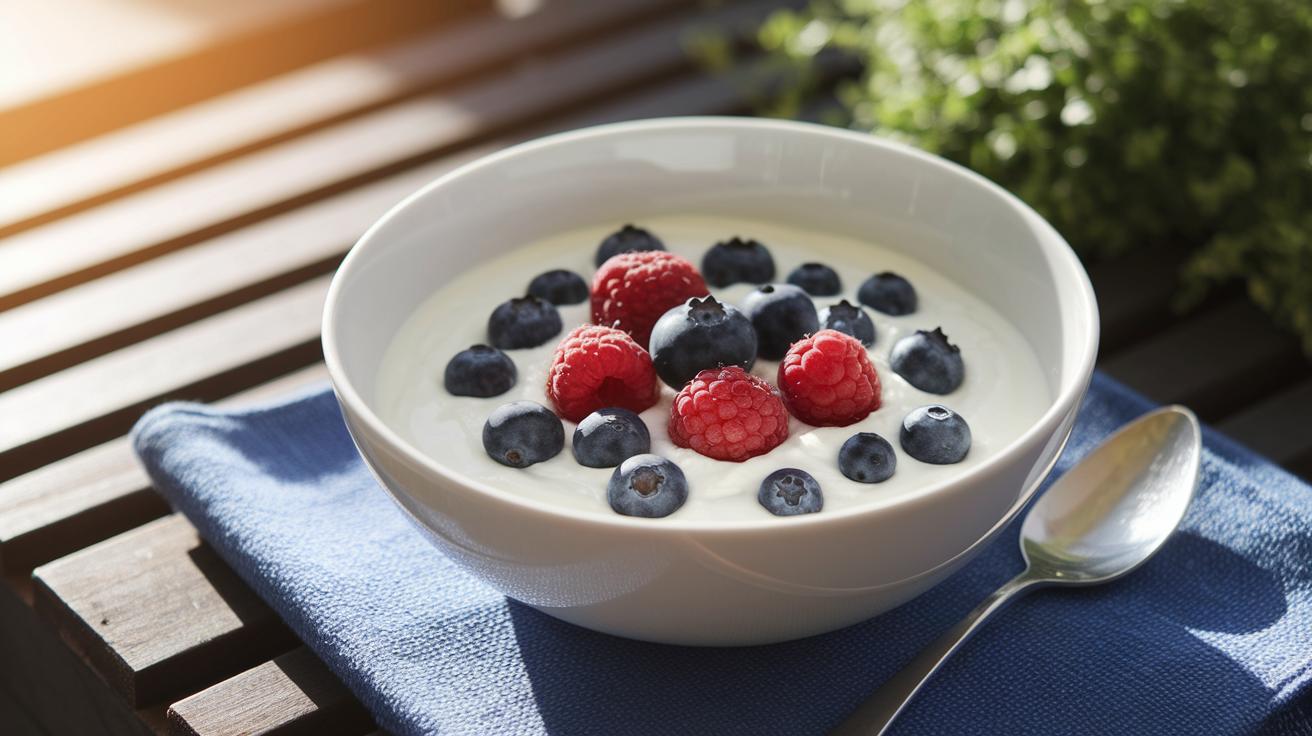
Start your day with a bowl of yogurt or a glass of kefir. These foods are full of friendly bacteria that help your stomach get going. Imagine a cool splash of kefir waking up your gut, like giving your belly a gentle nudge to start the day.
Next, mix things up with a snack that packs a probiotic punch. A small bowl of kimchi or a serving of tangy sauerkraut between your meals adds a bit of fiber while supporting smooth digestion. And if you’re looking for a refreshing boost, try an 8 oz glass of kombucha in the afternoon. It’s a tasty way to keep your energy level steady.
- Add a cup of organic yogurt or kefir at breakfast.
- Snack on kimchi or sauerkraut for extra bacteria boost.
- Sip an 8 oz glass of kombucha to help your metabolism.
If you’re feeling creative, you might even try making your own fermented vegetables at home. Using a simple saltwater brine lets you control what goes in and can boost the variety of good bacteria in your food. It’s a fun and tasty way to support your gut health every day.
Dosage Recommendations and Supplement Options for Probiotic Foods
Probiotics help your body, but you need just the right amount to feel the difference. The sweet spot is around 10^7 to 10^9 CFU (that stands for colony forming units, which means the count of live bacteria) per serving. Think about a bowl of yogurt or a glass of kefir – they naturally pack these live cultures, and even a helping of fermented vegetables can boost those good bacteria.
Some folks prefer supplements because they give you a precise dose. Whether it’s a capsule, a liquid, or a sachet, these options let you know exactly how many active bacteria you’re getting. There’s even a small study that showed kids can safely use these when the dose is just right. Imagine measuring out a neat 10^8 CFU from a liquid supplement to add to your daily routine.
Taking them every day keeps your gut balance steady and your body feeling great. Here’s a quick rundown:
- Yogurt and kefir naturally give you active cultures.
- Supplements offer a measured dose between 10^7 and 10^9 CFU.
- Daily use helps keep your gut flora (the community of bacteria in your tummy) balanced.
By choosing the right source and stick to a proper dose, you can safely enjoy the natural benefits of probiotics every single day.
Final Words
in the action, probiotic foods show how live cultures support your gut and immune system. We explored how fermented products like yogurt, kimchi, and kombucha help maintain a balanced digestive system and boost nutrient absorption. Scientific findings back up these claims and offer clear tips on including these foods in your daily routine. We also looked at recommended dosages and supplement options to keep your intake steady. Embrace the benefits of probiotic foods and let them brighten your health one meal at a time.
FAQ
What are the top 20 probiotic foods?
The top probiotic foods include yogurt, kefir, kombucha, sauerkraut, kimchi, miso, tempeh, and pickled vegetables. They all have live cultures that help support gut balance and overall well-being.
What are the signs probiotics are working?
The signs probiotics are working include smoother digestion, fewer bloating and gas episodes, regular bowel movements, and an overall feeling of improved gut comfort after meals.
What benefits do probiotics offer for women?
Probiotics benefit women by aiding digestion, helping balance hormones, and supporting immune health. They may also assist in maintaining a healthy vaginal environment and reducing infections.
What are the 10 benefits of probiotics?
The 10 benefits of probiotics cover improved digestion, better nutrient absorption, stronger immune function, reduced inflammation, balanced gut flora, enhanced metabolic health, improved skin condition, better mental well-being, healthier weight management, and overall vitality.
How do probiotics benefit the stomach?
Probiotics benefit the stomach by restoring a healthy balance of bacteria, easing discomfort like bloating, and supporting smooth digestion while reducing the likelihood of issues such as acid reflux and ulcers.
What are prebiotic foods?
Prebiotic foods are fiber-rich foods that feed good bacteria in your gut. Examples include bananas, onions, garlic, leeks, asparagus, and whole grains; they work together with probiotics for better digestion.
Which probiotics are best for gut health?
The best probiotics for gut health come from live-culture foods like yogurt, kefir, sauerkraut, and kimchi, as well as supplements featuring strains such as Lactobacillus and Bifidobacterium that help maintain a balanced gut flora.
What are natural probiotics?
Natural probiotics are found in fermented foods such as yogurt, kefir, kombucha, sauerkraut, and kimchi. They contain live cultures that aid digestion and contribute to a balanced microbial environment in your gut.
Which food is highest in probiotics?
Yogurt and kefir are among the highest in probiotics due to their rich concentration of live, active cultures, making them excellent options for supporting gut health and improving nutrient absorption.
Why is probiotic food good for you?
Probiotic food is good for you because it provides live cultures that support digestion, boost immune function, and help maintain a balanced intestinal flora, which can improve energy levels and overall health.
What are the best probiotics for pregnancy?
The best probiotics for pregnancy often include natural sources like yogurt and kefir, which offer live cultures to support digestion and immune function. It’s wise to consult a healthcare provider before adding new supplements.
Are probiotics good for acid reflux?
Probiotics can be good for acid reflux by promoting a balanced gut environment that may help ease inflammation and soothe digestive discomfort. Speaking with a doctor for personalized advice is a smart choice.


