
Have you ever thought that your food might lift your spirits? Probiotic vegan foods are full of live bacteria (tiny helpers that improve digestion) that keep your belly happy and your body feeling good. Imagine enjoying a bowl of sauerkraut that brightens your day or a glass of tangy kombucha that refreshes you inside and out. In this post, I'll show you how adding these friendly foods to your meals can spark a cheerful, healthy lifestyle every day.
Essential Probiotic Vegan Foods For Gut Health
Probiotics are live little organisms that help balance the good bacteria in your gut. They boost your digestion and overall health, especially when you follow a vegan diet.
It helps to choose unpasteurized and live-culture foods. Heating or heavy processing can kill these friendly microbes and take away some of their natural benefits.
- Sauerkraut: It gives you lively cultures that keep your digestion balanced.
- Kimchi: It’s packed with helpful bacteria, spices, and vitamins to wake up your gut.
- Miso: This food has many types of bacteria that help break down what you eat.
- Tempeh: A firm, fermented soybean that supports healthy digestion.
- Sourdough: Made with a natural starter, it builds a nice mix of gut-friendly microbes.
- Pickles: Fermented in salt and water, they pack live cultures into every bite.
- Olives: These come in a briny solution that holds natural bacteria to support your gut.
- Cultured plant milks: They deliver dairy-free live cultures, much like what you’d find in traditional yogurt.
- Kombucha: A tangy, fizzy tea loaded with enzymes, antioxidants, and friendly microbes.
- Probiotic supplements: A handy option when you can’t grab fermented foods.
Eating these foods often is a simple way to keep your gut happy. You might have a side of sauerkraut with lunch, enjoy a bowl of miso soup for dinner, or sip a refreshing glass of kombucha during a snack. Mixing these probiotic vegan foods into your meals can boost your digestion and add a lively touch to your day. Try incorporating them into your everyday recipes and see how naturally they become part of your routine.
Fermentation Methods and Benefits in Vegetables
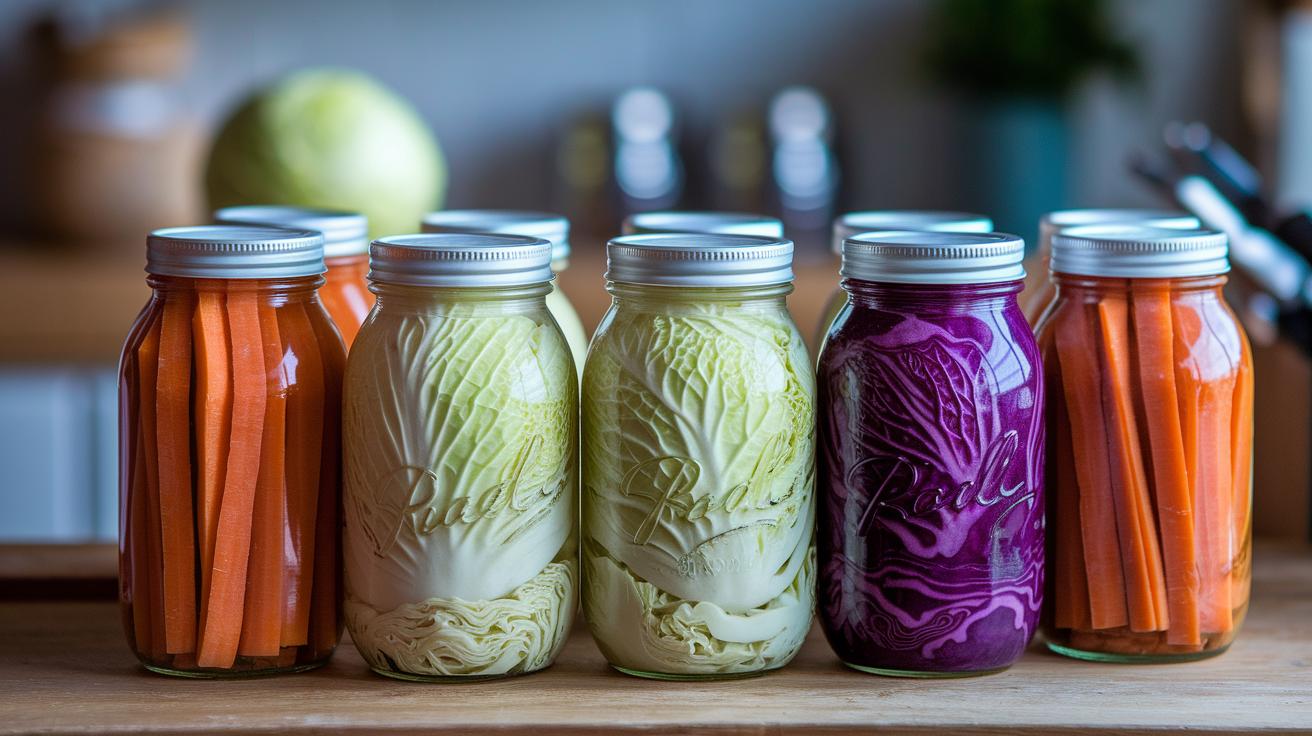
Vegetable ferments come to life through a process called lacto-fermentation. In simple terms, this is when good bacteria turn sugars into acids using either a salt-water brine or just a dry-salt pack. The magic happens thanks to a mix of salt levels, warmth, and how long you let it all sit, usually anywhere from 3 to 28 days. It’s pretty neat how these factors work together to create special flavors and boost the good bacteria that help your gut.
| Vegetable | Brine Method | Fermentation Duration | Dominant Probiotic Strains |
|---|---|---|---|
| Cabbage | Salt-Water Brine | 14 days | Lactobacillus |
| Carrots | Dry-Salt Pack | 10 days | Lactobacillus plantarum |
| Cucumbers | Salt-Water Brine | 7 days | Lactobacillus brevis |
| Beets | Dry-Salt Pack | 21 days | Lactobacillus casei |
Tweaking the salt, temperature, or time can really change the taste and sourness, but it also shifts which kinds of healthy bacteria you get. A bit more salt might slow things down, while a warmer spot speeds them up. Have you ever noticed how small changes can make every batch unique? This balanced mix not only gives your meals a nutritional boost but also supports a happy, thriving gut.
Cultured Plant Milks and Yogurts: Production Insights
Starter cultures such as Lactobacillus and Bifidobacterium are essential for making coconut, almond, and soy milks. These friendly microbes need steady temperatures and a fermentation time of 8 to 24 hours to build a smooth, tangy flavor.
Commercial setups use lab methods to grow these cultures and often mix in extra vitamin B12 and calcium for a nutrition boost. If you try it yourself, you'll enjoy controlling the process, but you'll need to keep a close eye on temperatures and timings to get a consistent taste and texture. It’s a bit like cooking a home-cooked meal versus dining out, each has its own charm and result.
To finish off, gently rinse the culture and strain it to remove any extra liquid. You can let it sit or stir it to reach your desired thickness. With a little patience, you'll end up with a delightfully creamy, dairy-free yogurt.
Fermented Soy and Grain Products: Technique & Nutrition
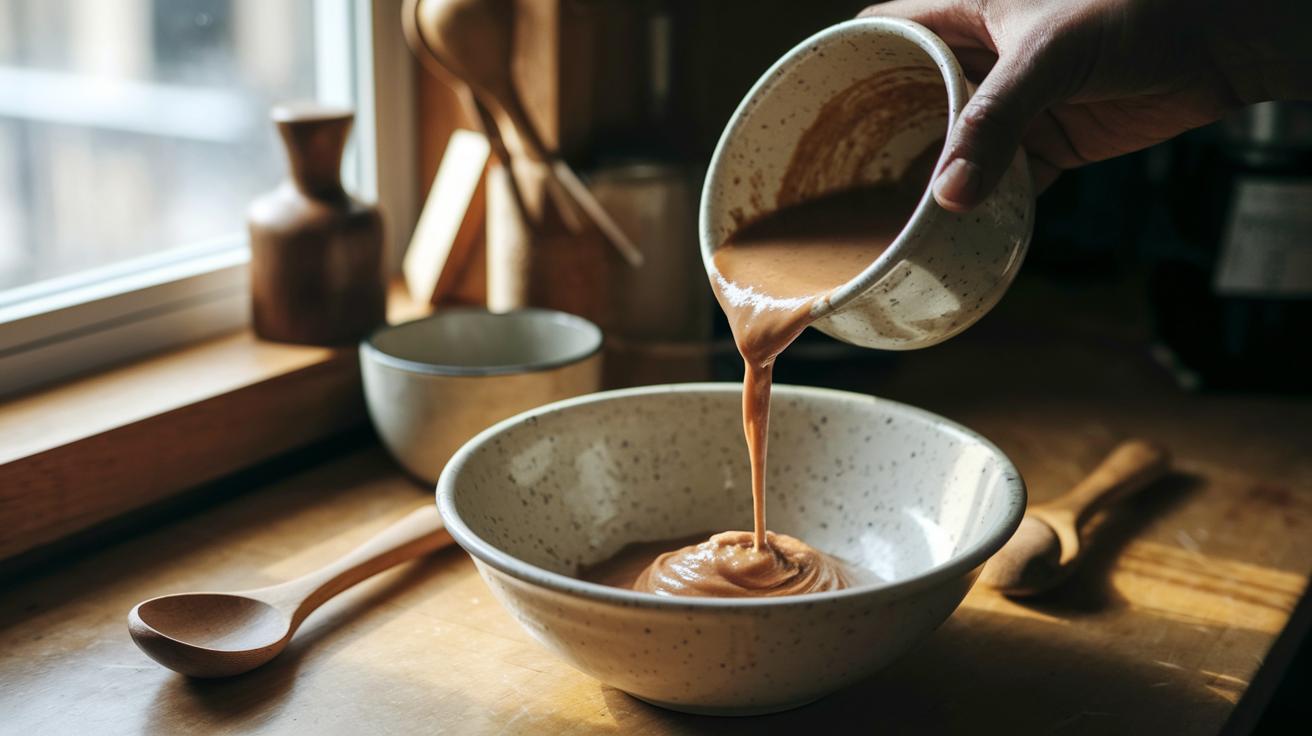
When it comes to fermenting soy and grains, there are two main ways to do it. One method uses fungi that work slowly over many months, while the other uses bacteria that get the job done much faster. This choice not only changes the flavor but also affects which nutrients and friendly bacteria (probiotics that help your digestion) show up in your food.
Miso Production
Making miso is all about mixing the right mold with a bit of steady heat. You start by adding Aspergillus oryzae (a good mold that helps break things down) to the soy or grain base. Then, the mix sits for 6 to 12 months. Over that time, up to 160 types of bacteria join in, each lending a hand to your digestion. It’s like a long, slow cook that deepens the flavors and fills your miso with antioxidants and vitamin B, making it both tasty and good for you.
Tempeh Process
The process for tempeh is a bit different. First, soybeans get treated with Rhizopus oligosporus (a fungus that helps stick the beans together). Next, they rest and ferment for about 24 to 48 hours. This quick process makes the protein easier for your body to use and bumps up the vitamin B levels. The result is tempeh with a firm texture and a nutty flavor, a healthy and yummy addition to any meal.
Brewing and Benefits of Vegan Fermented Beverages
Kombucha is a popular probiotic tea made with a SCOBY (a mix of bacteria and yeast), and it works on tea over about a week or two. This friendly culture transforms the tea into a tangy drink that’s full of organic acids, B vitamins, and acetic acid bacteria, all of which help your digestion and overall wellbeing.
Water kefir and jun are two other neat vegan fermented drinks, each with its own flavor twist. Water kefir is brewed using a base of sugar water and dried fruits, which gives it a light, mildly sweet taste and a bounty of good microbes. Jun, on the other hand, is made with green tea and plant-based sweeteners, so it ends up a bit tangier with a different set of probiotics. Their unique sugar sources and mix of microbes mean there’s a drink out there for every taste and health need.
Short fermentation times keep the alcohol levels low while still growing healthy bacteria. Have you ever tried adding a bit of fresh ginger or a touch of lemon zest near the end of the brew? It’s a fun way to mix up the flavor without losing any of the drink’s natural benefits.
Evidence-Based Benefits of Probiotic Vegan Foods
Many studies show that adding probiotic vegan foods to your meals can really help your digestion run more smoothly and even boost your immune system. Research has found that live cultures in foods like fermented veggies, soy items, and plant-based milks (milk from plants) play a big part in strengthening your gut's natural barrier. These foods work to lower signs of inflammation and increase short-chain fatty acids, which help feed your gut cells. All this science backs up the idea that these foods keep your digestive system balanced and sturdy.
Several reviews of many trials have taken a close look at which bacterial strains offer the most benefits. They often focus on strains found in sauerkraut, kimchi, and sourdough. These strains are linked to reducing digestive discomfort and boosting immune health. Even small amounts of these strain-rich foods can make a noticeable difference, so including them daily can be a clever part of a healthy diet.
Experts say a modest serving of about a half-cup is just right. This portion helps you get the benefits without taking in too much salt, keeping everything nicely balanced.
Integrating Probiotic Vegan Foods into Your Meal Plan
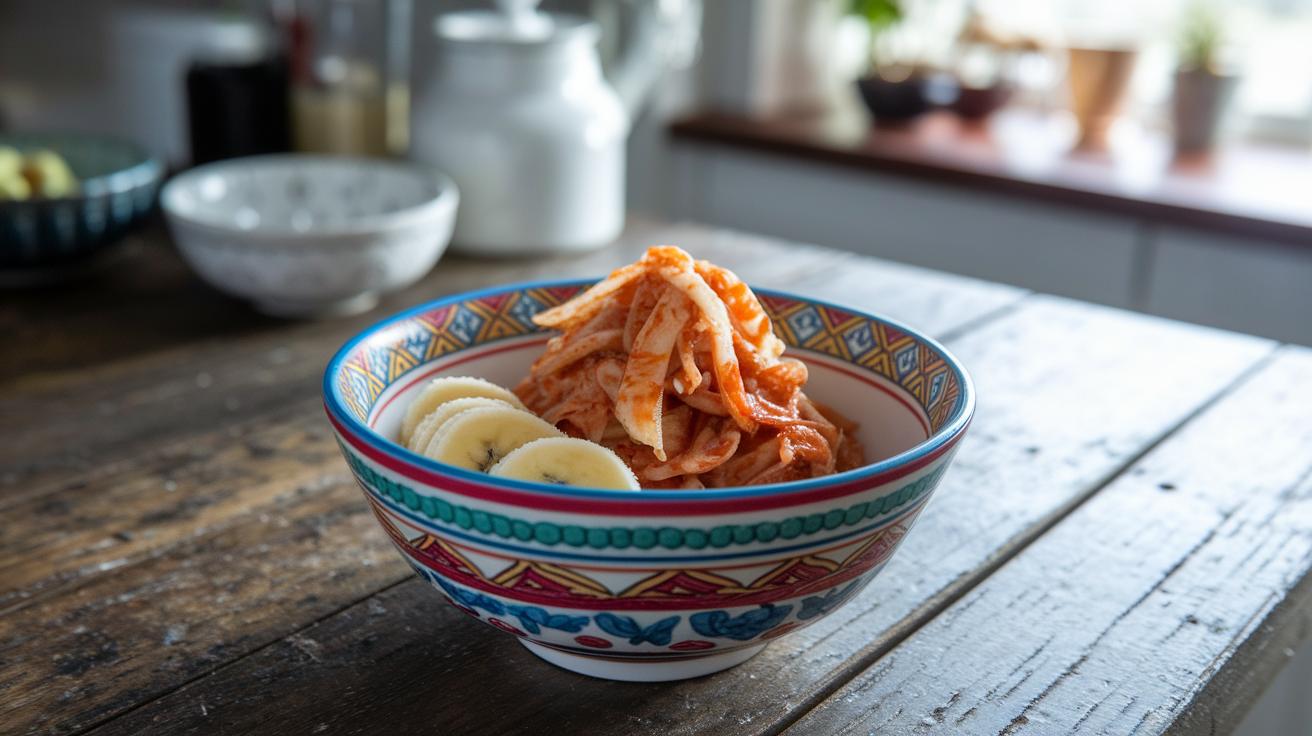
Start by planning meals that mix one fermented food with one prebiotic ingredient. For example, you might add a spoonful of kimchi or a side of sauerkraut to a bowl of oats or some sliced bananas. This simple combo gives your gut-friendly microbes a boost while keeping your meal tasty and balanced.
For snacks and smoothies, try blending a cold kombucha smoothie with frozen berries and a handful of spinach. Or mix plant-based yogurt with banana slices and a sprinkle of chia seeds for a crunchy treat. You can also top gluten-free crackers with a light spread of miso and fresh cucumber slices. Each choice brings together live cultures and extra fiber for a refreshing pick-me-up between meals.
Consider setting up a weekly meal prep plan for your fermented bowls. Mix them with your favorite grains, veggies, and proteins like tempeh or tofu. Chop a variety of ingredients ahead of time and keep them in airtight containers. When hunger strikes on a busy evening, just warm up a bowl, add in a prebiotic like apple slices or oats, and finish with a drizzle of your favorite fermented sauce. This simple routine saves time, keeps meals exciting, and supports a healthy digestive system all week long.
Safe Handling and Storage for Live-Culture Foods
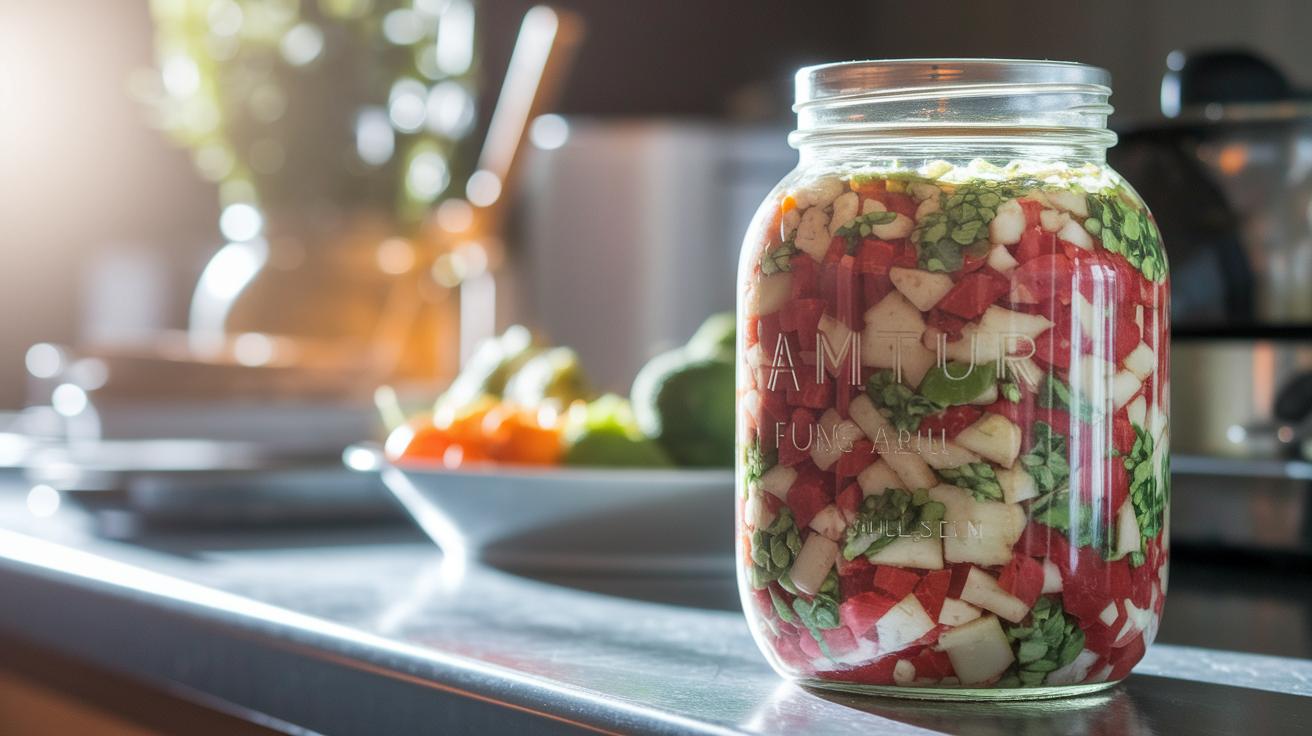
It’s important to keep your live-culture foods safe, so here’s a friendly reminder of what to check. First, aim for a salt level of about 2 to 3 percent. Next, keep the fermentation temperature steady between 65 and 75°F (that’s the temperature range many people find just right). And don’t forget to seal up your containers to cut down on air exposure.
Watch carefully for any signs that something might be off. If you spot mold spots or see a thin, white film (kahm yeast, which is a sign of contamination), it’s usually time to discard the batch. Sometimes an unusual smell or texture can be the first hint that the food isn’t safe anymore.
When it comes to storing these foods, refrigeration below 40°F works best to lock in their benefits. Properly fermented items usually last around 2 to 3 weeks in the fridge, but it’s smart to check for any changes in appearance. Using airtight containers is key to keeping unwanted air and extra fizz at bay.
These tips work well for everyone, and serving small, controlled portions means that even little ones can enjoy them safely. Keeping an eye on the fermentation process helps prevent spoilage and ensures the live cultures stay strong and beneficial.
Final Words
In the action, we walked through the exciting benefits of fermentation for gut health. The post shared easy tips on preparing dairy-free live cultures and safe storage methods.
We also broke down simple recipes and meal ideas that boost wellness with crisp, clear guidance. Each section offered a hands-on look at healthy eating with probiotic vegan foods. Enjoy trying these ideas and feel the difference in your daily routine.


