
Have you ever wondered if your favorite snack might be behind a sudden rash? Lots of people end up with red, itchy bumps after eating certain foods. When our bodies release histamine (a chemical that makes us itch), we end up scratching and feeling puzzled.
In this article, I'll explain why our skin sometimes reacts this way and share some simple tips to ease the discomfort. Stick around and learn how to figure out which foods might be triggering your rash and find easy ways to calm your skin.
skin rash food allergy: Causes and Easy Relief
Food allergy rashes show up after you eat certain foods. They usually appear as red, itchy patches on your skin. In the United States, over 20 million people live with food allergies because the body sometimes mistakes harmless food proteins for something dangerous.
When your body reacts, it releases histamine (a chemical that tells your body to fight off danger), which leads to inflammation and itchy bumps called hives. Hives are those little raised spots that can be red or pale in the center.
Imagine noticing small clusters of bumps on your arm after a meal. Sometimes the rash sticks to one area, and other times, it spreads across several spots. Ever wonder if a particular food might be the reason behind that sudden itch?
Keeping a food diary can really help. By tracking what you eat and writing down any skin reactions, you give your doctor great clues to work with. It’s a simple way to connect the dots between the foods you enjoy and the rashes that appear.
Whether it’s a mild reaction like Oral Allergy Syndrome (when raw fruits or veggies cause a bit of discomfort around the mouth) or a stronger allergic reaction, noticing patterns is key. This approach can help you know which foods to steer clear of, giving you easier relief before you need to call for more help.
Common Allergenic Foods Causing Skin Rashes

Every day, we might eat foods that set off skin reactions. When these foods enter our body, our immune system sometimes overreacts. It then sends out a chemical called histamine (this is what causes swelling and itchiness). Suddenly, you might end up with red, bumpy rashes, like after enjoying a favorite snack and noticing strange hives on your arm.
Kids under 5 often show sign of allergy to milk and eggs, and sometimes these reactions stick with them as they grow older. Some allergies, though, can be quite dramatic. For instance, nut allergies might give you itchy, red bumps that show up fast, and shellfish can lead to hives that spread quickly while causing some swelling. Even wheat and soy can result in rashes, sometimes affecting larger areas of skin. And surprisingly, even raw fruits, vegetables, or seeds can cause a brief reaction around the mouth. This is sometimes called Oral Allergy Syndrome.
Below is a list of the seven most frequent allergenic foods and the skin reactions they usually cause:
| Food | Typical Reaction |
|---|---|
| Milk | Red, raised patches especially in kids |
| Eggs | Small, itchy bumps that may last |
| Peanuts | Hives with red edges and some swelling |
| Tree nuts | Itchy spots that pop up in groups |
| Shellfish | Quick hives that can spread |
| Wheat | Widespread irritation and redness |
| Soy | Rash starting near your face and then spreading |
This guide should help you recognize food-related skin reactions. Have you ever noticed how a meal can sometimes lead to an unexpected rash? It’s always a good idea to be aware of these signs, especially if someone in your family is prone to allergies.
Signs and Symptoms of Food Allergy-Related Skin Rashes
Hives look like little red or pale bumps with a lighter center that sometimes join together to form bigger patches. They can show up just minutes after you eat something you’re allergic to. It kind of feels like tiny, itchy spots appearing out of nowhere.
Sometimes, you might notice a tingly feeling or a bit of swelling around your lips and mouth. This reaction, known as Oral Allergy Syndrome (a reaction that happens when your mouth touches certain allergens), usually stays just near the lips without spreading to other parts of your body. For example, biting into a raw apple might give you a little tingle around your mouth without causing a full-body reaction.
Other skin reactions can start with intense itchiness in one small spot and, if the exposure continues, may spread further. These signs include:
- Raised, lumpy bumps (hives)
- Quick-onset itchiness after meeting an allergen
- Local swelling around the mouth or lips
All of these reactions happen because your immune system is reacting to a food protein, which leads to inflammation and a bit of discomfort.
Diagnosing Skin Rash Food Allergy

Doctors usually start with skin prick tests and sometimes ask you to try an oral food challenge to figure out what might be causing your rash. Picture this: your doctor puts a tiny drop of food extract on your skin, then watches to see if you react. It might feel a bit odd, but think of it as a mini science experiment meant to spot the culprit.
Keeping a food diary is a big help. I mean, just jot down everything you eat and, if you see a rash, snap a clear photo of it. This little timeline of your meals and the rash coming on gives your provider clear clues to track down the trigger.
They also might use blood tests that check your immunoglobulin E levels (this measures a type of antibody that your body makes when it reacts to food). This test adds another useful piece to the puzzle.
At times, the whole process can seem like a detective story, where every test or note brings you a step closer to the answer. All these tests and your own tracking work together to help pinpoint the food that makes your skin flare up, and that makes finding relief a bit easier.
Medical Treatments and Over-the-Counter Relief for Skin Rash Food Allergy
The easiest way to keep a food allergy rash from showing up is to avoid the food that causes it. If you find that a specific food leads to a rash, it makes sense to cut it out and stop that irritation right at the source.
When you start to see signs of an allergic reaction, a quick fix can be an oral antihistamine like cetirizine or loratadine. These medicines work by lowering your histamine response (that’s the natural chemical your body releases during an allergic reaction), which helps reduce the itching and swelling fast.
If your skin rash is mild or not too bothersome, you might try a corticosteroid cream. This cream eases the inflammation by cutting down the redness and swelling, speeding up the healing process. It serves as a short-term remedy as you figure out how to handle the allergy trigger.
But if the rash gets really bad or covers a large area, you could need stronger medicine such as prescription steroids or immunomodulators (medications that adjust your immune system’s activity). In these cases, it’s smart to speak with a healthcare provider who can create a treatment plan just for you. Every reaction is a bit different, so keeping track of your symptoms and sharing what you experience can help your doctor adjust your treatment as needed.
Home Remedies and Natural Approaches for Skin Rash Food Allergy

Have you ever tried starting the day with a spoonful of probiotic-rich yogurt paired with some fresh fruit? It’s not only tasty but also helps keep your gut in check and may calm down overall inflammation, which can ease skin irritation. Vitamin C from fruits like oranges and berries works like a natural shield by soothing the skin and reducing swelling. I once had a glass of fresh orange juice in the morning, and it really cooled down a bothersome rash before I headed out.
Next, think about natural ingredients such as ginger and quercetin. You can find these in everyday foods like apples, onions, and even green tea. They act like a cool compress on a hot day, easing redness and discomfort with their anti-inflammatory benefits.
There are also supplements like butterbur and bromelain extracts that some folks use for allergic conditions. These can give your body extra support to handle skin reactions and help boost your natural defenses.
- Yogurt or supplements with probiotics support gut health
- Vitamin C from citrus fruits and berries soothes irritated skin
- Ginger and quercetin from common foods help reduce inflammation
- Butterbur and bromelain extracts can aid in managing allergies
Always remember to think of these remedies as a helpful complement to professional medical advice when you're dealing with skin reactions.
Preventive Measures and Long-Term Management of Skin Rash Food Allergy
When you're dealing with a skin rash from food allergies, building a routine that cuts down on exposure is really important. One simple approach is to steer clear of known allergens and get into the habit of carefully checking food labels for any sneaky ingredients. It really helps to know exactly what's in your food so you can avoid unwanted surprises that might spark a rash.
Everyday kitchen habits can also have a huge impact. For instance, wiping down surfaces after cooking and watching out to keep allergenic and non-allergenic foods separate can lower the risk of accidental reactions. And if certain fruits or vegetables tend to upset your system because of something called Oral Allergy Syndrome (a reaction to raw proteins in some foods), try heating them up. Cooking changes the proteins so they’re less likely to set off a reaction.
Other tips you might find useful include:
- Keeping a food diary so you can spot which foods seem to trigger a reaction
- Planning meals around ingredients that you know are safe
- Keeping your cooking area super clean to avoid cross-contact
These simple tweaks can make a big difference over time. Small changes in your everyday routine can help ease flare-ups and keep discomfort in check, making it much easier to manage your skin rash food allergy on the long run.
When to Seek Professional Help for Skin Rash Food Allergy
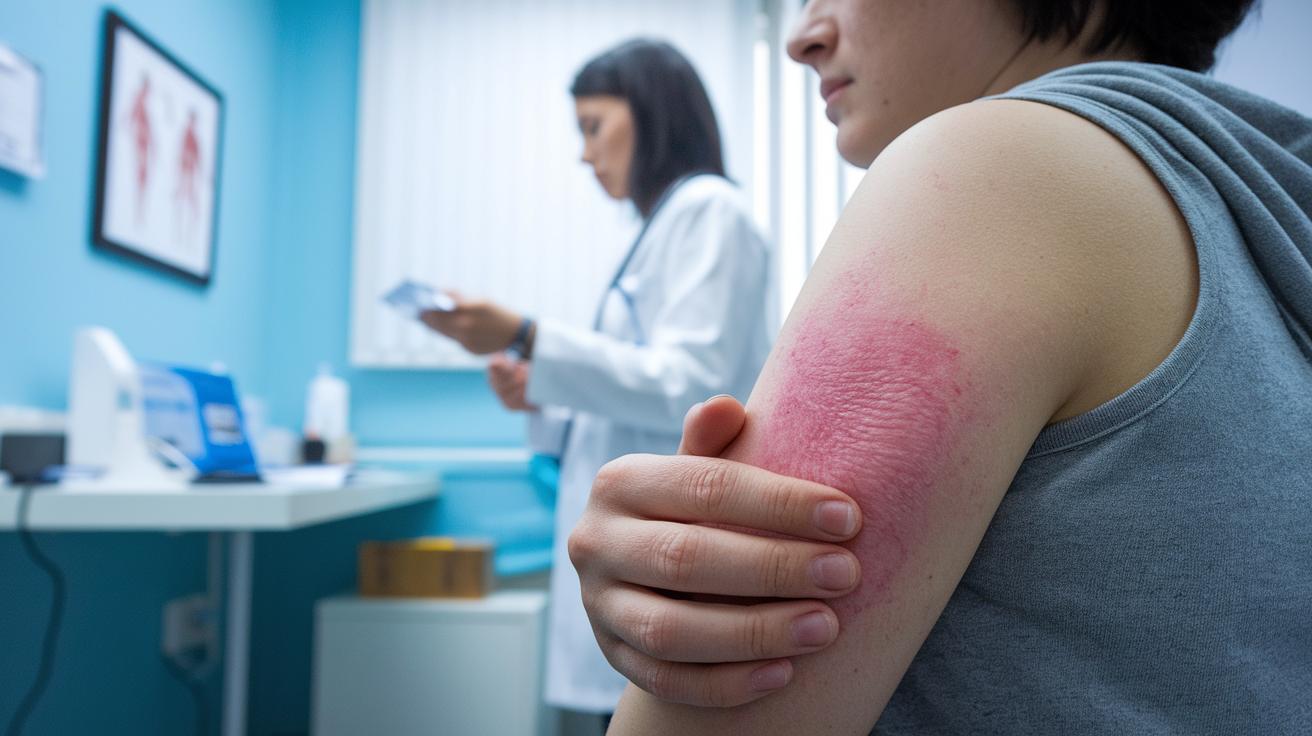
If your rash from a food allergy isn't fading or you notice new hives showing up, it's a good idea to visit your doctor. Think of it as your body's way of saying, "Hey, something's off here!" Even if it's the first time you've seen a rash or if it just won't go away, getting a professional opinion is smart.
Also, watch out if the rash starts to feel warm, ooze a bit, or even form a crust. These could be signs that an infection is setting in, and you might need help right away. And sometimes, it's not just about the rash. If you find it hard to breathe, feel a tightness in your throat, or notice swelling beyond the rash, you could be having a serious allergic reaction called anaphylaxis (a severe reaction that can affect breathing and other body functions). If that happens, don't wait, seek emergency care immediately.
For kids, any rash that sticks around or new ones that appear should be checked by a healthcare provider. Keeping an eye on these changes can really help ensure you or your loved ones stay safe.
Final Words
In the action, we explored how food allergies trigger a skin rash, noting common food culprits like nuts, dairy, and shellfish. We broke down how your body might react with itchy, red bumps from immune responses and shared tips on spotting true signs of a skin rash food allergy.
We also looked at both medical treatments and home remedies that help ease discomfort, along with steps to prevent recurring rashes. This guide leaves you with clear tips and hope for better health outcomes. Enjoy the newfound insight.
FAQ
Q: What do food allergy rashes look like in both children and adults?
A: The food allergy rash appears as red, itchy bumps or raised patches that can form hives. It may show differently in children and adults, sometimes appearing on the face, body, or other areas.
Q: How long does a food allergy rash last?
A: The food allergy rash usually lasts from a few hours to several days after you stop eating the trigger food. The duration can change from person to person based on individual sensitivity.
Q: What are common treatment options for food allergy rashes, including home remedies?
A: Food allergy rashes can be managed by avoiding the trigger food, taking over-the-counter antihistamines, and using topical creams. Home treatment can help ease discomfort but talk with a doctor if symptoms worsen.
Q: How do you tell if a skin rash is related to a food allergy?
A: A food allergy rash develops soon after eating a certain food and shows as red, itchy patches or hives. Noticing when the rash appears and its location, like the face or on a baby’s skin, helps link it to a food reaction.


