
Have you ever noticed a small red spot on your skin that seems to be saying something is off? It might feel like more than just a mark, almost like a tiny signal. Sometimes, when you have herpes (a common virus that causes sores), these spots start as little bubbles that hint at what might be happening underneath.
In this post, we share clear signs of a herpes rash and offer some easy tips for soothing relief. It’s a fresh look at a warning sign that many of us might miss. Have you ever wondered if your skin was trying to tell you something? Let’s dive in and figure it out together.
Identifying a Skin Rash from Herpes: Symptoms, Causes & Complications
A skin rash is basically an area where the skin gets inflamed, showing some redness and a bit of swelling. In cases of herpes, the rash comes about because the virus starts multiplying in the skin cells, which kicks off an immune response. Think of it like your skin waving a little flag that says, "Something's not right." For instance, you might notice a red patch on your arm that hints at a reaction happening.
Herpes outbreaks often start with small, fluid-filled blisters that look a bit wet. Picture tiny water balloons gently sitting on your skin. These little bubbles are a clear sign that a herpes outbreak is beginning. When they burst, they release clear fluid that dries up and forms a thin crust, kind of like paint drying on a wall. It’s really interesting how such tiny signs can tell you so much.
Over the next few days, the blisters burst, ooze, and then get covered with a crust before they eventually fade away. This whole progression happens because your body is trying its best to fight off the virus through inflammation. Sometimes, if the area isn’t kept clean, you can even get a bacterial infection on top of it. Common triggers for these flare-ups include stress, too much sun, and even small skin injuries.
Skin Rash from Herpes vs Other Conditions: Differential Diagnosis Table
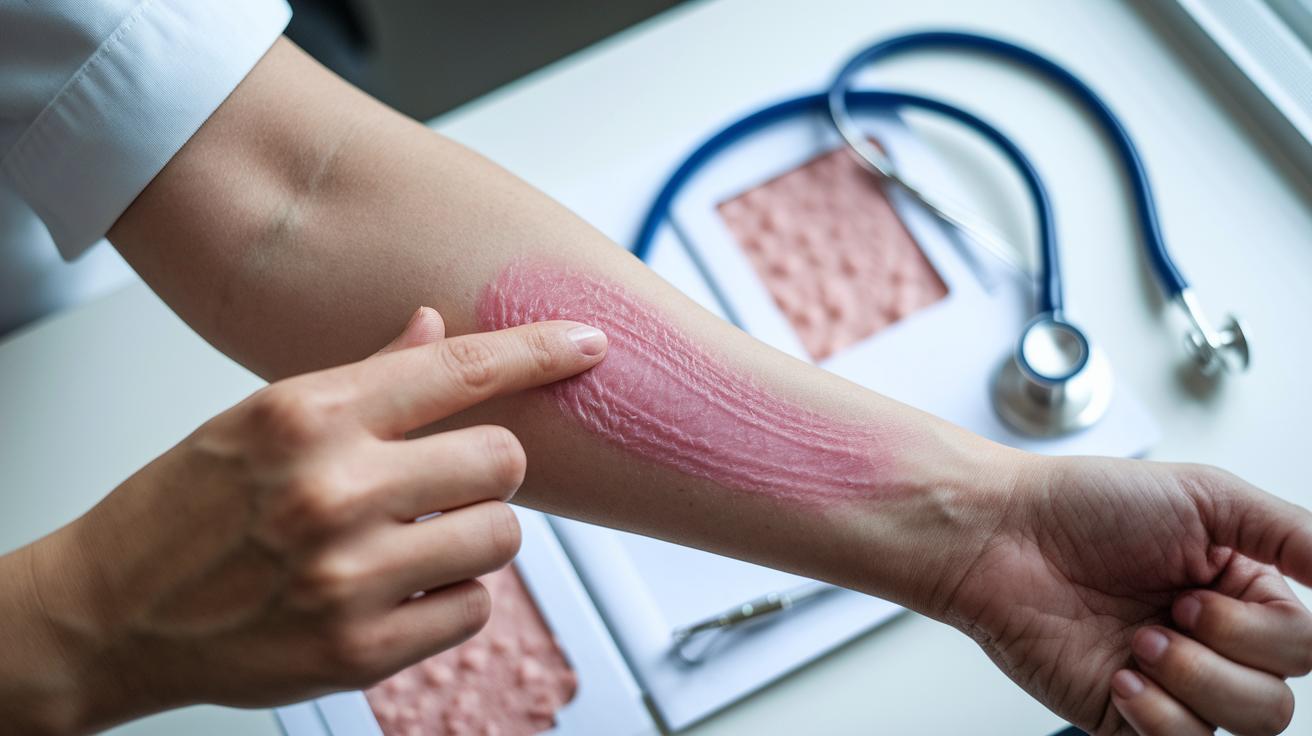
When you notice a skin rash, it helps a lot to know the differences so you can understand what might be happening. You may see red spots or even blisters, but each type of rash brings its own hints. For instance, herpes usually starts with fluid-filled blisters that later form a thin crust, while other rashes look different. Comparing these details side by side can really clear things up and help you decide if you should see a doctor. It's like finding that one piece in a puzzle that makes everything click.
| Condition | Appearance | Key Differentiator |
|---|---|---|
| Dermatitis | Red, itchy, flaky patches | Itch without fluid blisters |
| Shingles | Painful band of blisters | Unilateral distribution |
| Jock Itch | Red rash, small blisters | Inner thighs, no penile lesions |
| Scabies | Red bumps/pimples | Mite burrow tracks |
| Genital Warts | Flesh-colored bumps | Cauliflower shape, no fluid |
| Razor Burn | Red bumps, ingrown hairs | Shaving history |
If you look more closely at herpes, you'll see that its cycle, from fluid-filled blisters to a light crust, is really distinct. This is quite different from the constant itch seen in dermatitis or the clear, firm border that appears with shingles. These unique signs, like the grouped fluid blisters turning into a crust, offer a great clue to whether you're dealing with a herpes outbreak or something else.
Medical Evaluation of Skin Rash from Herpes: When & How to Seek Care
If you notice your herpes rash comes with ongoing pain, spreads more than usual, or you develop a fever, it's time to call your doctor. Sometimes, when the rash keeps coming back or its cause is not clear, your body is really asking for help. Think of it like your skin sending you a message: if the pain stays or flare-ups are frequent, it’s a clear warning.
At your doctor’s office, they'll start with a careful look at your skin to see if it matches the usual signs of herpes. They might take a little sample from the blister for PCR testing (a lab test that detects the virus’s genetic material) or draw blood to see how your immune system is responding. These check-ups help confirm if it’s really herpes and guide them to choose the best antiviral medicine to help you feel better, fast.
Final Words
In the action, we explored how a skin rash from herpes shows up, from the first fluid-filled blisters to the later crust stage. We pointed out signs, touched on possible complications, and laid out clear ways to tell it apart from other conditions. We also shared when it might be time to get professional advice if symptoms get worse. This guide should help you keep an eye on your health and make smart choices. Stay informed and keep well.
FAQ
What does a herpes rash look like?
The herpes rash looks like clusters of fluid-filled blisters that burst, leaving a wet, red appearance. These lesions often develop into crusted areas as they heal.
How long do herpes rashes last and what are the stages?
The herpes rash stages start with small, fluid-filled blisters that break, ooze and form a crust. The entire episode typically lasts 7 to 10 days from onset to healing.
What causes herpes on skin and is the rash contagious?
The herpes rash is caused by a viral infection that triggers inflammation in skin cells. It is contagious during active outbreaks when blisters are present, so direct skin contact should be avoided.
Is herpes dangerous?
The herpes virus can cause painful outbreaks and discomfort. While it is usually not life-threatening, complications may occur if sores become infected, so proper care is advised.
How is a herpes rash treated?
The herpes rash is treated with antiviral medications and keeping the area clean to avoid secondary infections. These treatments help cut down on symptoms and speed up healing.
What is herpes gladiatorum?
Herpes gladiatorum is a type of herpes infection that spreads through skin-to-skin contact in sports, often affecting the face, arms, or torso. It is managed similarly to other herpes outbreaks with antiviral therapy.


