
Have you ever noticed how a sudden rash can turn your whole day upside down? Imagine your skin bursting with itchy, red bumps out of nowhere. When your body lets out histamine (a natural chemical that causes reactions), those bumps can pop up quickly and throw off your routine. This post shares why it's so important to treat the itch fast and offers easy tips to calm your skin. Stick around to learn how spotting what triggers your rash might help you feel better and take back control.
hive skin rash: Quick Relief, Confident Care
Hives, or urticaria (a term for red, bumpy skin outbreaks), show up as red or skin-colored bumps. They happen when your body suddenly releases histamine (a chemical that triggers allergies) after you come into contact with foods, drugs, or things in the environment. This burst of histamine makes your skin itchy and can even cause swelling around your eyes and lips. The bumps often shift around and merge, making the rash unpredictable and fast-changing.
Hives can appear in just minutes once you’ve been exposed to the trigger. That’s why getting help fast feels so important, when your skin starts itching, it can really throw off your sleep and daily plans. Sometimes, these spots fade quickly, disappearing in a few minutes or hours, but the whole rash might stick around for a while longer. Taking antihistamines (medicines that block histamine) right away can slow down the reaction and help ease both the itching and the risk of more bumps.
You might notice a few things with hives:
| Symptom | Description |
|---|---|
| Itching | A strong urge to scratch that can really irritate your skin |
| Swelling | Puffiness, especially in sensitive areas like the face or lips |
| Shape changes | Bumps can change in size and merge with others |
| Short life | Individual bumps might vanish quickly while the rash lingers |
Getting a fast start on treatment is key. Quick relief not only calms the immediate itch but also stops more bumps from forming. This proactive approach helps you take back control of your day, making it easier to go about your routine without disruption.
Common Causes and Triggers of Hive Skin Rash

Figuring out what sparks your hives can really help you handle them better. Many things can cause your body to pump out histamine (the chemical that kicks off allergic reactions), so it pays to know your triggers ahead of time.
Here are some common triggers:
- Foods like nuts or shellfish that make your immune system react
- Medications such as NSAIDs (everyday pain relievers) and antibiotics that can stir up histamine
- Insect bites that irritate your skin and set off an allergic response
- Viral infections like colds, mono, or hepatitis that mix up your body’s balance
- Bacterial infections such as urinary tract infections or strep throat that may lead to skin reactions
- Heat, when high temperatures cause your skin to flare up quickly
- Cold, because a sudden drop in temperature can spark a reaction too
- Physical exertion, as intense exercise or stress might contribute to a breakout
Keeping a record of these triggers might help you steer clear of them. You might find that jotting down what you eat, the medicines you use, or even how the weather feels on days your hives act up gives you a better sense of what’s really going on. It’s kind of like piecing together a puzzle about your own body. Have you ever tried keeping a small log to see if there’s a pattern? This way, you’ll feel a bit more in control and have handy info for a doctor if things stick around.
Diagnosing Hive Skin Rash: Clinical Evaluation and Tests
When you notice red, bumpy spots on your skin, your doctor will start with a simple, hands-on check. They’ll ask you about what you’ve been eating, any new medicines, or even extra stress lately. They want to understand if something specific might have triggered the rash. Often, they look closely at how the bumps appear and feel. This helps them decide if it’s hives or something else like eczema or contact dermatitis. No single lab test can say for sure if it’s hives, so your story and the look of your skin really matter. Sometimes, your doctor will also suggest a skin prick test to find out what you’re allergic to, or a blood panel to measure IgE (a protein your body makes when it reacts to allergens) and a complete blood count (CBC).
| Test | Purpose |
|---|---|
| Physical exam | Spot the pattern of the rash |
| Skin prick | Find possible allergens |
| Blood panel | Check IgE levels and CBC |
| Provocation challenge | See if triggers cause a reaction |
Digital guides and photo apps can also help. You can take clear pictures of your rash and share them with your doctor, which might make figuring out the cause a bit easier.
Medical Treatments for Hive Skin Rash: Medications and Topical Therapies
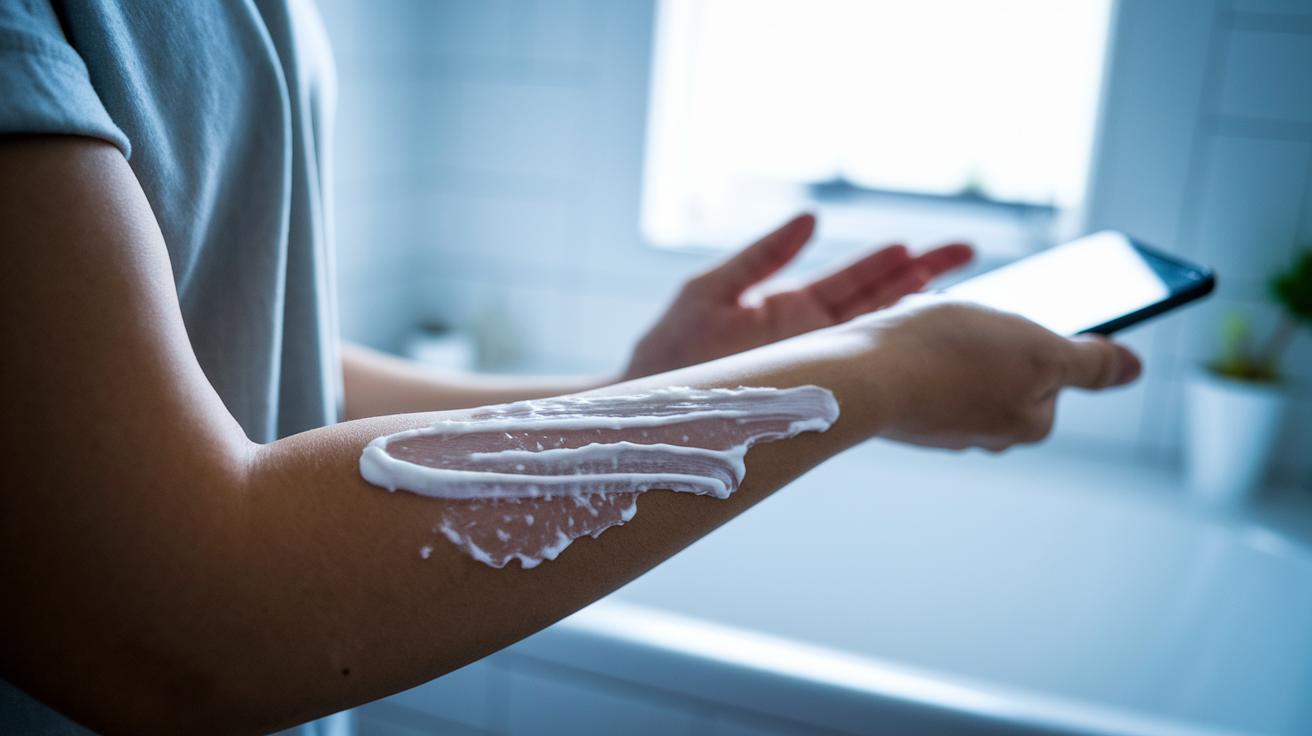
When you get hives, the main goal is to ease the symptoms right away. Medicines and topical treatments help stop the itch and swelling while keeping new bumps from popping up. Using these options lets you feel better fast and keeps the rash in check.
Antihistamines
Antihistamines block histamine (a chemical that makes your skin flare up), which helps clear up the rash. Common, over‐the‐counter allergy pills like diphenhydramine and cetirizine work quickly for most moments. Sometimes, if the reaction is really bad or sticks around, you might need a prescription antihistamine. Your doctor will tell you the right dose for your age, and many people see improvement within an hour. A little tip: start small and adjust as needed, always watching how your body reacts.
Topical Corticosteroids
Topical corticosteroids, like hydrocortisone, help lower inflammation and soothe the rash. These creams are usually prescribed and should be used carefully. If you use them for too long, your skin might get thinner. They calm the immune response in your skin, reducing redness and itch. Remember to use a light coat and follow your doctor’s directions on how long to use them.
Cooling Gels & Calamine
Cooling gels and calamine lotion give a gentle, cool feel that eases itch and burning. They are perfect for soothing the skin and can be applied several times a day if needed. These products are good for sensitive skin because they create a cool sensation that distracts from the itch and cuts down on irritation.
Home Remedies for Hive Skin Rash: Natural Relief at Home
A cool compress is a simple way to soothe a hive skin rash. Just dip a clean cloth in cool water and gently press it on your skin. This method helps ease the itch and lowers swelling in just a few minutes. Cool showers work great too. Imagine the refreshing spray instantly cooling your skin and stopping heat from making the rash worse. You could even try switching between a cool rinse and letting the water sit on your skin for a moment to ease the irritation. These easy steps can fit right into your routine, especially on those days when the rash flares up unexpectedly.
Taking a gentle bath can make a big difference when you need extra relief. Try adding colloidal oatmeal (oatmeal in a fine powder form that soothes skin) or a little baking soda to lukewarm water. This mix helps bring your skin back to its natural balance and calms that intense itch. After soaking for about 15 minutes, pat your skin dry gently instead of rubbing it, as rubbing can make things worse. Finally, spread a thin bit of aloe vera gel on your skin, which is known to help ease inflammation. This combo of a mild bath and careful, cooling care gives you a natural way to handle hive skin rash symptoms.
Preventing Hive Skin Rash: Lifestyle, Diet and Environmental Adjustments

Keep a diary of what you eat and how you feel. Write down each meal, note your mood, and mark any time you get hives. This simple habit can show you patterns over time. Also, think about what you wear. Loose, breathable clothes made from soft, hypoallergenic fabrics help lessen skin friction. Imagine the feel of soft cotton on a warm day, it’s like a gentle shield against irritation.
Try adjusting your diet and surroundings to ease your skin issues long term. You might switch to a low-histamine diet (one that avoids foods which may release histamines, chemicals that trigger reactions) by focusing on fresh meats, fruits, and veggies. Some people even see improvements when they skip gluten or dairy. Next, set your indoor humidity around 40-50% to stop dry air from worsening flare-ups. Little changes like these can add up, making your skin feel more comfortable every day.
When to Seek Professional Care for Hive Skin Rash
If you notice your hives come with trouble breathing, swelling in your face or tongue, or even dizziness, don't wait – get help right away. Your body is sending you a clear warning that this might be more than a simple flare-up. Imagine feeling red, itchy bumps along with a tight chest; it's almost as if your skin is trying to shout for immediate care.
If your hives linger for more than six weeks or keep coming back, it may be a good idea to see a dermatologist. Keeping a simple record of when the rash appears, how long it lasts, and what treatments you try can really help your doctor find out what might be triggering these outbreaks. Sometimes, tougher cases might call for advanced treatments like immunotherapy (a method to help your immune system) or biologic agents (medications that work on specific parts of your immune response). This detailed note-taking gives your specialist the clues needed to choose the best plan for your care.
Tracking and Monitoring Hive Skin Rash Episodes

Keep a simple diary about your hive skin rash. Write down the date, where it appears, how bad it feels, and what you think might have caused it. For example, on 4/12, I noticed a red patch on my arm with a light prickly feeling after spending a hot afternoon outside. Taking a photo whenever you can helps too.
Over time, you might start to see a link between how you feel and things like stress, the food you eat, or changes in the weather. It can be really useful to share what you’ve recorded with your doctor. Using digital tools or apps for skin care can also help your provider give you advice that suits your needs right away.
Integrative and Holistic Approaches to Managing Hive Skin Rash
When you’re dealing with hive skin rash, mixing regular medical care with natural treatments can really make a difference. This approach brings together standard medicine and extra therapies that use natural helpers to calm inflammation (swelling and pain) and encourage healthier lifestyle habits. It’s like pairing two sides of a coin so you can ease discomfort and support your overall immune balance. For more ideas on blending these therapies into your life, you might want to explore holistic health and wellness (a site with balanced, natural tips).
Herbal Allergy Interventions
Some fresh herbs can actually help lower the histamine in your body, which is a common trigger for rashes. Plants like butterbur, quercetin, and stinging nettle work a bit like natural antihistamines (medicines that block the chemicals causing allergies). I once made a soft herbal tea with stinging nettle and was surprised to see my itchiness lessen within an hour. It’s a simple, natural trick that might be worth a try.
Mind-Body Practices
Ever thought about how a calm mind can soothe your body? Mindfulness meditation and yoga are great examples. They help reduce stress (which can make a rash flare up) by slowing things down and letting you focus on your breath. Imagine sitting quietly and feeling your body relax as your stress and the rash fade away even a little. It’s a small step that can bring steady relief.
Nutritional Supplements
Adding the right vitamins and healthy oils to your daily routine might be another key step. Omega-3 supplements (specifically EPA/DHA, which are healthy fats) along with vitamins C and D can support your immune system and keep your skin more balanced. Think of it like preparing a balanced meal; each nutrient has its role in helping you feel better and keeping your skin steady.
Final Words
In the action of exploring hive skin rash, we walked through definitions, symptoms, and quick relief options. We also looked at what might trigger the condition, how doctors diagnose it, and both medication and home remedy tips to control flare-ups. The guide shared advice on preventive lifestyle tweaks and tracking episodes, too. All these insights aim to help you make confident, informed decisions about tech-enabled wellness for everyday health. Keep your spirits high and your skin happy, you've got this!
FAQ
What do pictures of hives show and what does a hive rash look like?
The pictures of hives show raised red or skin-colored welts that vary in shape and often merge. They display the transient, itchy pattern of a common allergic reaction.
What causes hives and what can trigger a hive rash in adults, including female adults?
The causes of hives include allergic responses to foods, medications, and infections that trigger histamine release. Both adult women and others experience hives through similar triggers.
How can hives be cured fast, including methods to treat hives in children?
Quick relief for hives comes from using antihistamines and cool compresses to reduce swelling and itchiness. For children, a doctor should guide treatment to make sure it’s safe and effective.
Can hives be a sign of something serious and why would you suddenly get hives?
Hives can indicate an underlying issue, especially when paired with breathing difficulties or facial swelling. They often appear suddenly after an immediate allergic reaction or exposure to new triggers.


