
Have you ever thought that the food you eat might change how you feel? Imagine natural probiotic foods as little pals that help keep your tummy happy. From creamy Greek yogurt to tangy cultured veggies, every bite works to keep your digestion running smoothly. These simple foods help your body process meals and can even support a happier gut. Stick with me as we explore how everyday choices can genuinely boost your health.
Probiotic Foods: Top Unprocessed Sources for Gut Health
Probiotics are live germs that help keep the good and not-so-good bacteria in your tummy in balance. You can think of them as little helpers that make sure your digestion works well and your body's defenses stay strong. When you add natural probiotic foods to your meals, you're giving a boost to those helpful bacteria. Fun fact: Greek yogurt, whether made from goat, sheep, or cow milk, has been loved for centuries because its live cultures really help with digestion.
Here are some great unprocessed options to try:
-
Yogurt: Go for grass-fed, organic choices if you can find them. Greek yogurt is a top pick, and kefir (a drink similar to thin yogurt with lots of live cultures) even has up to three times more probiotics in a serving. It's creamy, tangy, and works well as a snack or to start your day.
-
Cultured vegetables: Sauerkraut and kimchi are classic examples. People have enjoyed sauerkraut since ancient times, and kimchi adds a little spicy kick along with natural acids that help your gut.
-
Kombucha: This fizzy, fermented black tea is known for its tangy taste and is often linked to more energy and liver detox. It's a refreshing swap when you're tired of sugary drinks.
-
Miso: This Japanese fermented paste can be used in soups or as a dip. It's a simple way to add live cultures to your diet.
-
Apple cider vinegar: Packed with different probiotics, it might help with cholesterol, blood pressure, and blood sugar levels. Just a little goes a long way so it doesn't irritate your teeth or throat.
Mixing these choices into your daily routine is a smart way to keep your gut in a happy, balanced state. There isn’t a strict rule on how much to have, variety is what really keeps things working well.
Natural Probiotic Foods Fuel a Happy Gut
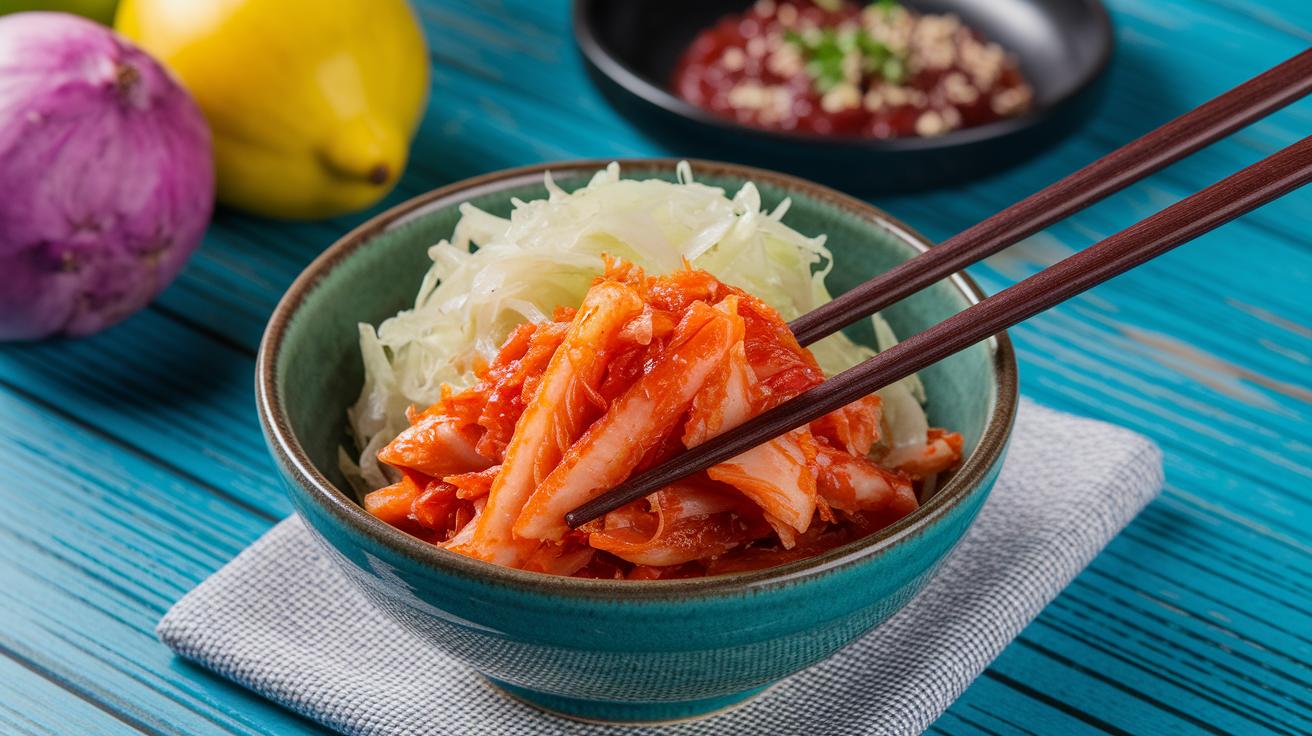
Natural probiotic foods help your body by boosting enzymes (enzymes are proteins that speed up reactions) and keeping the good bacteria in your gut balanced. Think of your enzymes as a small pit crew that quickly refreshes your system. Did you know that just one serving of fermented foods can give your enzymes a boost like a quick pit stop in a race?
These foods can also ease issues like irritable bowel syndrome, inflammatory bowel disease, and even mild skin problems like eczema. Picture your body as a well-tuned machine where each fermented bite quietly gives it a fresh start.
Mixing up your diet with dairy items, fermented veggies, and special drinks can support a balanced mix of microbes. It’s a simple way to help your whole body feel more at ease and ready for the day.
Probiotic Dairy Delights and Plant-Based Alternatives
Yogurt is a favorite probiotic treat made from goat, sheep, or cow milk, and Greek yogurt gives you a rich, creamy taste. Traditional kefir, which is a tangy fermented milk drink, packs up to three times more probiotics than regular yogurt. Did you know kefir’s live cultures work like tiny helpers that keep your tummy happy? It’s a neat reminder of why these dairy delights have been loved for generations.
If you lean toward plant-based options, unsweetened almond milk yogurt is a smooth pick that brings you natural live cultures without any animal milk. And water-based kefir makes another great vegan choice, offering many of the same gut-friendly benefits you get from its dairy cousin. It’s a smart way to enjoy that creamy, tangy kick of fermentation with a lighter, plant-centered twist.
Choosing unsweetened, organic products is the way to go if you want to keep your probiotic boosts real and pure. When you opt for fewer additives, every spoonful or sip feels closer to that simple, wholesome benefit of live cultures. Little swaps, like switching to a plant-based yogurt or sipping a fizzy glass of kefir, can really help keep your gut happy and balanced.
Probiotic Vegetable Ferments: Kimchi, Sauerkraut, and More
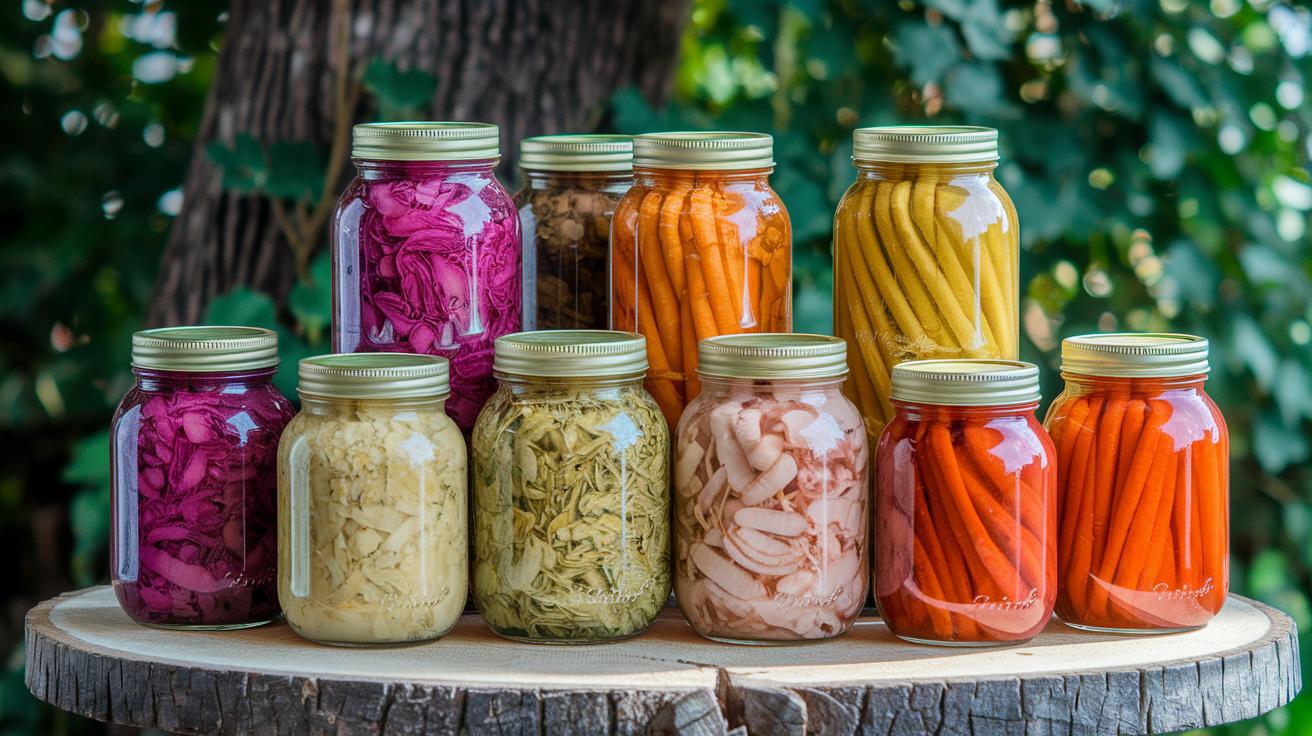
Sauerkraut has a really long history. People were eating this fermented cabbage as far back as the 1st century BC, according to Roman records. In Central Europe, especially between the 1500s and 1700s, sauerkraut became a favorite pickled treat. Its natural acids and enzymes can help with digestion, giving your gut a little extra boost with every bite.
Kimchi, however, brings a spicy twist to the table. It’s made with cabbage, radishes, and chili peppers, along with a mix of other seasonings. The result is a bright and fiery condiment full of good bacteria. Fun fact: kimchi was first created as a way to preserve vegetables for the winter, ensuring meals were both tasty and healthy when fresh produce wasn’t available.
You can also explore other ideas like pickled carrots and beets. These crunchy treats are packed with beneficial bacteria and organic acids that support your digestive system. They’re easy to make using everyday kitchen tools and simple ingredients.
| Type | Description |
|---|---|
| Pickled Carrots | Crisp and sweet with a tangy crunch |
| Pickled Beets | Earthy and bright, with a lovely vibrant hue |
Mix these condiments into salads, grain bowls, or serve them as side dishes to keep your meals interesting and your digestive system happy.
Homemade Probiotic Fermentation Recipes
Begin with kombucha. Brew a sweet black tea by mixing tea with sugar and add a SCOBY (a jelly-like mass of good bacteria and yeast). Let everything sit in a jar for about 7 to 14 days until it gets fizzy and tangy. A neat trick is to start small by mixing equal parts tea and water, covering it loosely, and then letting nature take its course.
Next, try your hand at sourdough bread. Take 150 g of an active white wheat starter (a bubbly mix of flour and water with natural yeast) and stir it into more flour, water, and salt to make your dough. If you’re curious, you can also create a rye starter by mixing whole rye flour and water and letting it rest for a week. This slower process builds a unique culture that gives your bread a deep, tangy flavor.
Then, give fermented ketchup a shot. Chop up fresh tomatoes and sprinkle in a little salt. Put the mixture in a covered jar and let it ferment for 5 to 7 days. Soon, you’ll see little bubbles as the natural bacteria start to work. It’s almost like watching a mini science experiment unfold right in your kitchen.
Finally, explore rejuvelac. Begin by sprouting your favorite seeds until tiny tails appear. Rinse them gently and then submerge them in water for 2 to 3 days. During this time, lactobacillus (a helpful bacteria that aids digestion) will grow. What you end up with is an enzyme-rich drink that feels both refreshing and energizing.
Remember to use simple kitchen tools like a large jar, mixing bowl, and a clean cloth. Common ingredients like black tea, tomatoes, flour, and various seeds are all you need.
Each of these recipes shows that whole food fermentation is easy. You can turn everyday items into lively, cultured foods with minimal fuss.
Integrating Probiotic Foods into a Balanced Diet
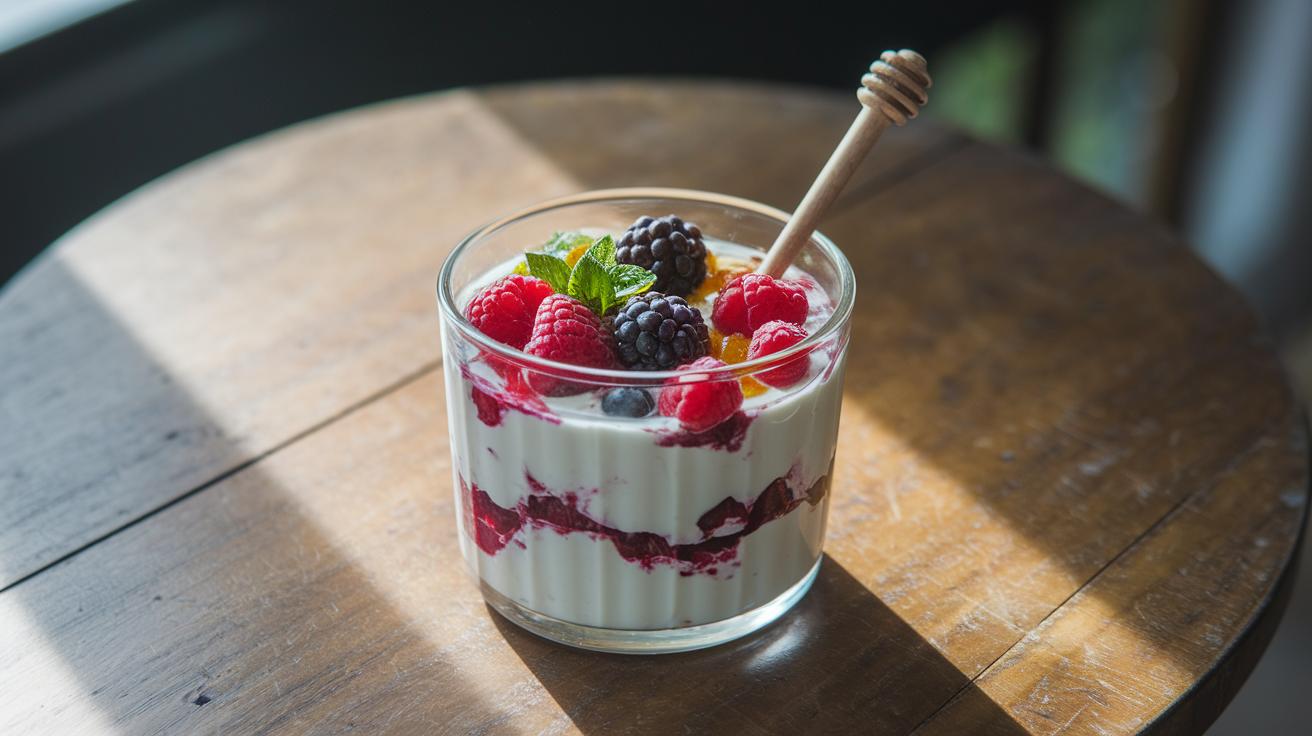
There’s no set number you need to hit every day when it comes to probiotic foods. Instead, mix and match your favorites to keep your meals fun. For instance, try a yogurt and fruit parfait. Imagine a bowl of unsweetened yogurt layered with fresh berries and a drizzle of honey. Each spoonful offers a tasty boost for your gut with a little burst of live cultures and natural sweetness.
For lunch, consider a grain bowl topped with kimchi. The spicy, tangy veggies combine with whole grains and beans to turn a regular meal into something special for your belly. And for breakfast, why not have a warm cup of miso soup? Picture a bowl with gentle, savory flavors and tiny bits of miso paste that make it both light and filling.
Just be careful with apple cider vinegar. A small splash in your salad dressing can lift the flavor without upsetting your stomach.
Mix up dairy, veggie, and drink ferments throughout your day to enjoy different flavors and textures. Some ideas include:
- Yogurt and fruit parfaits
- Kimchi-topped grain bowls
- A warm cup of miso soup
If you want more creative choices, check out these recipes for balanced meals.
Cultural Roots of Probiotic Foods
Fermentation is an old and trusted way to keep food fresh while helping your stomach feel good. Long ago, people learned that letting natural bacteria work on simple foods not only made them taste better but also helped their digestive health. The Romans even wrote about fermenting cabbage, which later gave rise to sauerkraut. This special treat not only lasted longer but also filled the body with good, live cultures.
In Korea, mixing cabbage, radishes, and chili gave birth to kimchi. In Japan, miso and natto became beloved foods that add a savory, tangy twist to meals. In Eastern Europe, people made rejuvelac, a drink from sprouted seeds full of natural enzymes to boost the digestive system. Before fridges were common, communities relied on wild bacteria around them to keep their food safe and nutritious.
And these traditions are still alive today.
These ancient methods show a simple, time-tested way to preserve food. The techniques passed down over generations still shape the natural probiotic foods we eat today, connecting us to a rich cultural past and the lasting benefits of live cultures.
Final Words
In the action of exploring natural probiotic foods, we saw how unprocessed choices like yogurt, kimchi, and kombucha support gut health.
By mixing in cultured veggies, homemade ferment recipes, and balanced meals, you learn how diverse your plate can be.
These foods not only boost digestion and immunity but also bring a taste of traditions from different cultures.
Keep trying new additions and enjoy the simple, positive shift in your everyday wellness.
FAQ
What are the top probiotic foods?
The top probiotic foods include yogurt, kefir, and fermented vegetables. These foods are rich in live cultures that may support digestion and help maintain a balanced gut.
What are prebiotic foods?
Prebiotic foods, like bananas, onions, and garlic, provide fiber that feeds beneficial bacteria. This support helps those good bacteria to flourish in your gut and improve overall digestive health.
What food is highest in probiotics?
The food highest in probiotics is often kefir, which typically contains more live bacteria than regular yogurt. This makes it a strong candidate for boosting gut health with its potent culture content.
What are the top probiotic fruits?
Probiotic fruits are less common because fruits generally don’t have live cultures. However, combining fruits with probiotic-rich foods, such as yogurt, can create delicious and gut-friendly treats.
What are natural probiotic supplements?
Natural probiotic supplements come from fermented drinks and foods like kombucha and sauerkraut. They provide a convenient way to add live cultures to your diet for easier digestion and enhanced gut balance.
What natural probiotics are best for women?
Natural probiotics for women include strains found in high-quality yogurt and kefir. These foods can support digestive and overall wellness, especially during times of hormonal change.
What probiotic vegetables are available?
Probiotic vegetables include fermented options such as kimchi and sauerkraut. These vegetables are processed through fermentation, which boosts their live culture content and promotes digestive health.
What fruit has the most probiotics?
Fruits naturally lack high levels of probiotics. Pairing them with yogurt or other fermented foods is a great way to enjoy essential vitamins while also gaining some gut health benefits.
What is the best natural probiotic for the gut?
The best natural probiotic for the gut is often a fermented dairy product like kefir. It offers a high concentration of live cultures that may help improve digestion and strengthen immune response.
How can I improve my gut bacteria naturally?
You can improve your gut bacteria naturally by eating a variety of probiotic and prebiotic foods. This includes fermented dairy, vegetables, and fiber-rich fruits, each bringing unique benefits to your digestive health.


