
Have you ever wondered how your phone could help take care of you? Connected health care mixes your regular doctor visits with smart technology, keeping you and your doctor in touch. Imagine all your appointments, medical records, and medicine plans coming together like pieces of a simple puzzle. Even a small gadget or a quick call might notice tiny changes in your health that tell you it’s time for a check-up. This smart setup makes sure help is always there when you need it, sparking new digital ideas that let you feel truly connected to your well-being.
Integration of Technology and Care Delivery in Connected Health Care
Connected health care links clinical services with digital tools so patients and their doctors can always stay in touch. It mixes everyday medical care with new tech to help track and manage your health, kind of like a smart home for your well-being. Imagine your appointments, medicines, and records coming together with digital help to make things run smoother. Did you know that doctors can now check your health data in real time almost as easily as glancing at a smartphone? This mix lets us personalize care in fresh ways while keeping a constant connection between caregivers and those they help.
Telehealth and small internet-connected devices work together to keep the conversation open between you and your doctor. Telehealth lets you speak with your provider from home, and those little gadgets (which are like tiny monitors of your vital signs) keep an eye on your health all the time. This always-on link means even small changes in your condition can be spotted really quickly. Imagine a wearable sensor that sends an alert if your heart rate shifts unexpectedly, a tiny signal that could make a huge difference during an emergency.
This smart system really boosts how quickly care can respond, with over 1,800 carers in Northern Ireland backing it up. Secure tech makes sure every piece of health data finds its way into electronic records safely. This reliable data-sharing means that if something urgent happens, your doctor is ready to act right away. It’s almost like having a rapid-response team on call 24 hours a day, ensuring care stays steady and is just right for your individual needs.
Core Technologies Powering Connected Health Care Systems
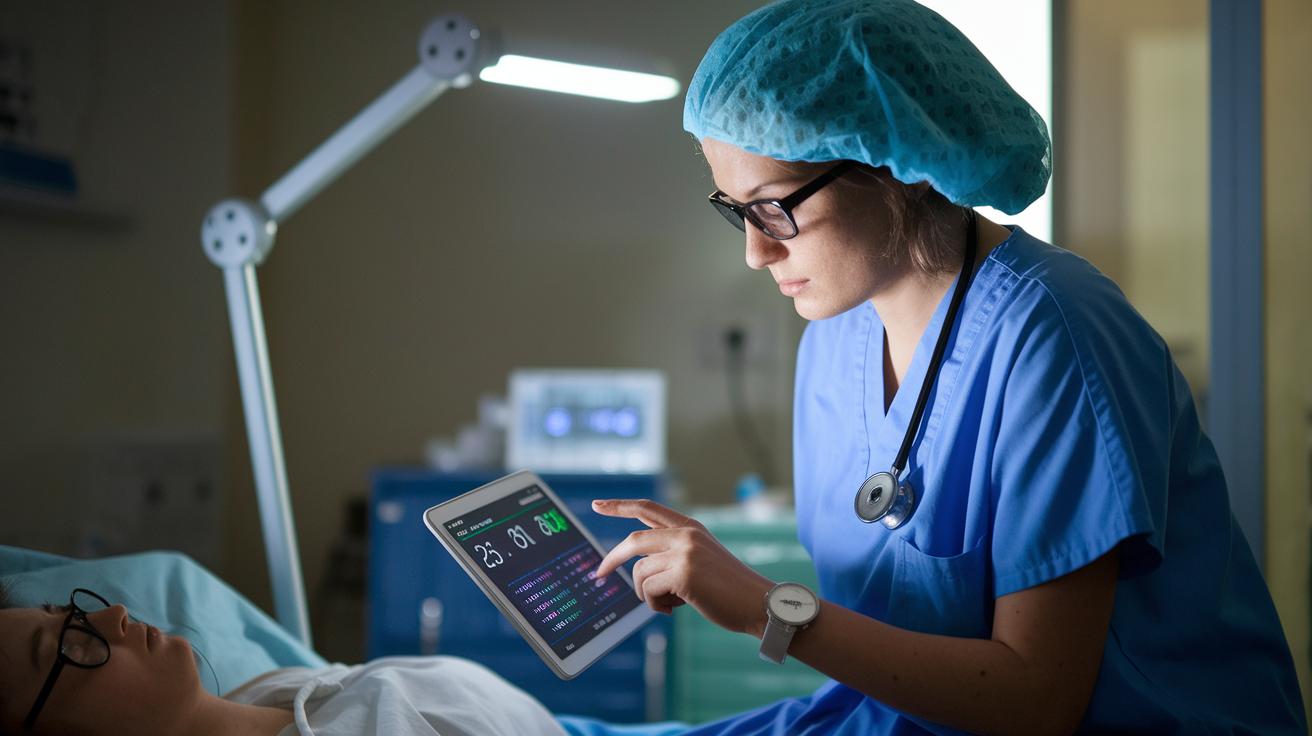
Connected Health's 3 Ts model: Talent, Training and Technology brings caregivers, clients and digital tools together like a tight-knit team. It uses IoT (Internet of Things, which means devices that connect and share data) devices that monitor key health details all the time. Caregivers learn to react fast and smart, blending hands-on care with modern digital checks. Picture it as a team effort, where everyone, from the nurse to the sensor, plays a key role in keeping information up to date.
Now, imagine a system that relies on five main technologies working closely together. Wearable devices continuously track your vital signs, and IoT patient systems make sure this info reaches health professionals quickly. Smart medical devices watch for changes in real time so doctors always know what’s happening. Remote diagnostic tools are there to check for alerts and catch issues early on. And finally, cloud-based digital health records safely store all this data, ready for clinicians whenever they need it. All these parts form a network that takes digital health to a new level with care that's both personal and proactive.
Evaluating Benefits and Challenges of Connected Health Care Implementation
Connected health care brings a lot of modern benefits that are really changing the way we handle everyday health care. With real time monitoring, doctors can check on patients as soon as something changes. And patient engagement tools let people take charge of their own well-being. It’s like having an easy and friendly way to stay in touch with your care team, which makes the whole process smoother and more personal. Plus, using data analytics (that is, studying everyday health info) helps doctors sharpen treatment plans and improve efficiency. It almost feels like having a constant health check that not only speeds up care but also builds a stronger bond between you and your caregivers.
But there are some bumps along the road too. One big issue is making sure different systems can work together easily since they often use different technologies. There’s also the challenge of getting everyone, especially healthcare workers, comfortable with these new digital tools. While the patient platforms are really smart, they must be simple and secure to earn trust. So, balancing these new abilities with the system glitches calls for thoughtful planning and proper training to help everyone feel comfortable with the changes.
| Benefit | Challenge |
|---|---|
| Better response times | System compatibility issues |
| Increased patient participation | Managing data privacy |
| More efficient workflows | Need for staff training |
| Fewer hospital readmissions | High initial setup costs |
Real-World Case Study: Connected Health Care in Northern Ireland

In Northern Ireland, connected health care covers many different services. They help people with arthritis, dementia, Alzheimer’s, palliative care (care for those with serious illness), neurological issues, and recovery after strokes. They work through a system that brings together traditional homecare with other support options like supported living and self-directed care.
They also use telemedicine (seeing doctors via phone or video) to offer these services. This means that while they rely on familiar, in-person care methods, they also use new digital tools to check on patients at home. It's a mix that makes care easier to reach and more connected for everyone.
The results are impressive and have caught industry attention. Awards show that their care keeps high standards. One part of their plan, known as the 3 Ts approach, connects about 1,800 carers with clients. This way, every step of care is both quick and suited to what each person needs.
This strong network helps bridge the gap between patients and doctors. In truth, every patient gets the right balance of medical and personal care, keeping the whole system warm, accessible, and effective.
Emerging Trends Shaping the Future of Connected Health Care
Across many clinics and care centers, personal monitoring is really taking off. More and more, care models are built around individual needs using membership programs that feel almost like a personal concierge service. With real-time cloud connectivity, doctors can grab patient information in a flash, which helps them make quick and smart decisions. Health education platforms also play a big part by helping people understand their choices better and feel truly engaged. For example, a wearable sensor might send live data to a cloud system, letting providers adjust care on the spot to build a plan that fits each patient perfectly.
At the same time, AI solutions are changing the way we use data. Machine learning applications (essentially, smart software that learns from information) promise to predict health events before they happen. This means that subtle shifts in health can be noticed early, so care can be tweaked before any problems get worse. By mixing these advanced analytics with everyday care, the goal is to offer more proactive and personalized treatment. It’s an exciting way to handle health challenges as they come.
Best Practices for Implementing Connected Health Care Solutions
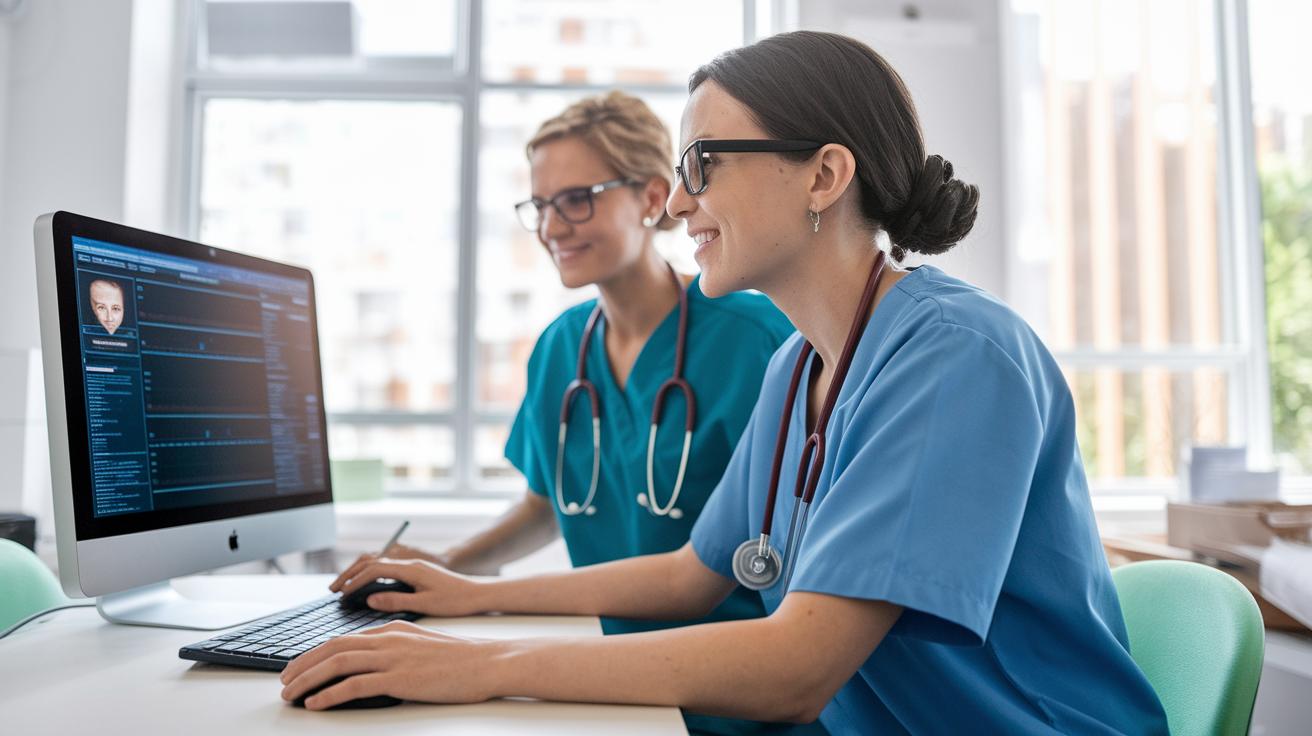
Using a model called the 3 Ts, Talent, Training, and Technology, can really help when adding IT to care. This approach brings together well-trained staff with simple digital records so that everything runs smoother. Imagine every caregiver is ready to use digital tools from day one after they get some good training. It’s almost like checking your calendar when you keep track of health info.
Next, using service automation and network integration makes managing remote services much easier. Automating everyday tasks not only cuts down on mistakes but also lets caregivers spend more time on what matters most, taking care of patients. Picture a system where scheduling appointments and gathering data happens automatically, making sure every detail flows neatly through the network.
Finally, partnering with government bodies and staffing networks speeds up the process of getting the right people in place and supports high-quality care. By working closely with local services, organizations can match caregivers to roles in just under two days, with a 98% success rate. This teamwork helps the whole system respond quickly and keep care both fast and kind.
Final Words
In the action, we saw how connected health care blends clinical services and modern tech to deliver seamless care. The article shared insights on telehealth, remote patient monitoring, and secure systems that keep patients and clinicians connected.
We also covered the core tools like IoT devices and digital records, while weighing benefits against real challenges. Positive steps forward inspire hope for a better, more connected future in health and wellness.
FAQ
Connected health care reviews
Connected health care reviews reflect feedback from patients and professionals on digital care quality, highlighting streamlined services, effective remote monitoring, and improved telehealth experiences.
Connected health care salary
Connected health care salary details cover roles from clinical to technical positions, reflecting expertise in digital care systems with salary ranges that mirror qualifying skills, experience, and regional demand.
Connected health travel nursing
Connected health travel nursing involves nurses taking temporary assignments across regions while using telehealth and remote monitoring, offering flexible schedules and competitive pay for those skilled in digital care delivery.
Connected health care careers
Connected health care careers span diverse roles combining clinical expertise with digital technologies, including telehealth, remote monitoring, and IT support, all aimed at improving patient outcomes through integrated services.
Connected healthcare staffing
Connected healthcare staffing focuses on sourcing professionals skilled in both clinical care and digital technology, ensuring care teams are equipped for effective telehealth, remote patient monitoring, and coordinated service delivery.
Connected Health Centers
Connected Health Centers are facilities where digital platforms support integrated care, blending in-person services with telehealth and secure electronic health records to provide accessible, coordinated health care.
Connected Health Care LinkedIn
Connected Health Care LinkedIn pages serve as networking hubs for industry updates and job postings, helping professionals connect, stay informed on digital care trends, and explore career opportunities in the field.
Connected Health+ app
The Connected Health+ app is a mobile platform that supports remote patient monitoring and telehealth services, allowing users to manage appointments, access care information, and receive timely health updates.
Is Connected Healthcare legit?
Connected Healthcare is widely recognized as legit, backed by a network of qualified professionals and verified digital systems that use secure telehealth and remote monitoring technologies to deliver reliable care.
What is connected care in healthcare?
Connected care in healthcare means linking patients and clinicians through digital platforms like telehealth and remote monitoring, which fosters continuous care and efficient information exchange to boost access to services.
What are examples of connected health?
Examples of connected health include telehealth consultations, wearable sensors for vital signs, remote diagnostic tools, and secure digital health records that work together to enhance patient care coordination.
What is connected health and why will it change your practice?
Connected health merges digital tools with clinical services, revolutionizing care delivery by providing real-time monitoring, boosting patient engagement, and streamlining workflows for improved outcomes and efficiency.


