
Ever wonder if that red, itchy rash might not be ringworm at all? Sometimes, a rash can look like ringworm with its red, round shape and raised edges. But it might really be eczema, psoriasis, or even a viral skin problem (a sickness caused by a virus) tricking you into thinking it's a fungus.
In this post, we'll break it down and show you the small differences to look for. Stick around, and you'll see how a few simple checks can help you take better care of your skin.
Recognizing Rashes That Look Like Ringworm But Aren’t
Ringworm (tinea, a type of fungal infection) usually shows up as a red, round patch with a raised, scaly edge that stands out from the rest of your skin. It tends to appear on its own and often itches a bit. You kind of know what I mean when you picture that distinct ring shape.
Not every red, circular spot means you have a fungus. Many skin issues can mimic these signs. Conditions like eczema, psoriasis, pityriasis rosea, granuloma annulare, and even Lyme disease can look similar. They might differ in how smooth the edge is, how the scales feel, or how the spots spread out. It’s like comparing a clear, raised ring with a softer, more blurred border.
| Feature | Ringworm | Common Mimic |
|---|---|---|
| Border Appearance | Raised, defined edge | Smoother or irregular border |
| Scale Texture | Flaky, scaly surface | Varies from dry patches to thicker scales |
| Lesion Distribution | Often isolated circular patch | May occur in groups or spread in patterns |
| Itch Level | Moderate | Ranges from mild to intense |
Simple checks at home, like noticing if there is a clear center or if the rash spreads out diffusely, can be really useful. If a spot keeps showing up or doesn’t get better with antifungal creams, it’s a good idea to get it checked by a doctor. They might run some tests or even do a biopsy (taking a small tissue sample) to find out exactly what’s causing it.
Pityriasis Rosea: A Viral Rash That Mimics Ringworm

Pityriasis rosea usually starts with one big, soft pink patch called a herald patch. It has a fine, lace-like border and stands out clearly from the rest of your skin. Imagine spotting one smooth pink patch before any others appear.
Within one or two weeks, several smaller patches start to show, mostly on your trunk. They spread out in a pattern kind of like branches on a Christmas tree. The scaling around each spot is gentle, and there’s often a slight, light itch that doesn’t really bother you too much. This rash usually clears up on its own in about six to eight weeks, so you normally don’t need any antifungal medicine.
If you notice the rash sticking around longer than usual or changing how it looks, it might help to take a few clear photos. Then, visiting a dermatologist (a skin doctor who specializes in these issues) can make sure you have the right diagnosis.
Nummular Eczema vs Ringworm in Coin-Shaped Dry Patches
Nummular eczema, sometimes called discoid eczema, shows up as many round or oval, scaly spots. They often appear on the arms and legs and are really itchy. Sometimes the spots even let out a bit of moisture so they feel wet and raw. It can come back again and again, so you might notice the patches flare up now and then. Imagine spotting a few coin-shaped wet patches on your arm that look extra irritated, as if your skin is begging for a little extra care.
Ringworm is a bit different. It usually shows as a dry, flaky, coin-shaped patch with a clear middle and a raised edge. The big difference between the two is that eczema spots tend to be moist during outbreaks, while ringworm keeps a dry, scaly edge all the time. Often, doctors suggest using topical steroids to calm eczema, which helps with the itch and irritation, while ringworm is treated with an antifungal cream that tackles the fungus. Watching these signs at home can help you decide if it might be a good idea to get professional advice.
Psoriasis Plaques Mistaken for Ringworm in Autoimmune Lesions
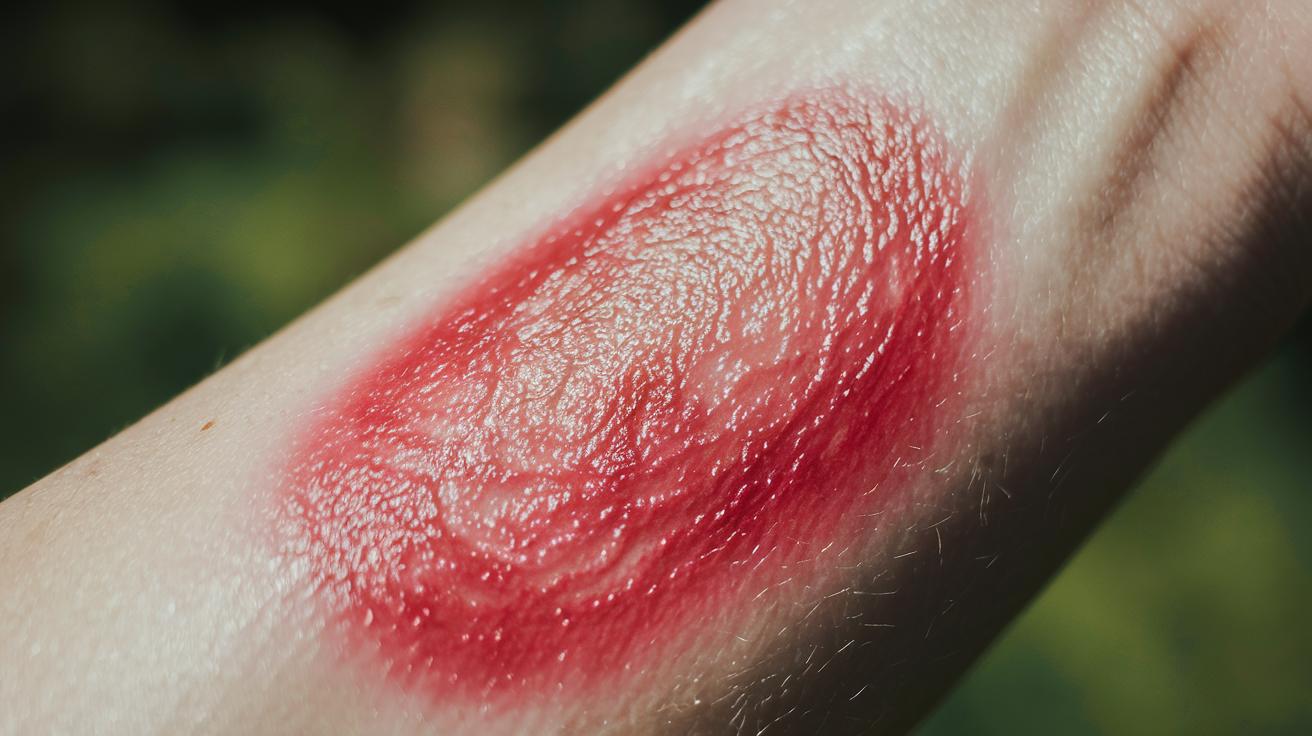
Psoriasis is a skin condition where your own immune system mistakenly attacks your skin cells. This causes red, irritated patches to appear. They often show up on your elbows, knees, or scalp and usually come with shiny, silvery scales on top. These spots can be round or oval, and sometimes they can be confused with ringworm, which is a fungal infection. Think of it this way: ringworm usually has a raised, arrow-like border, while psoriasis creates smoother patches with clear edges in places where autoimmune issues often occur.
One thing to keep an eye out for is the Auspitz sign. When you gently remove a bit of the scale, you might notice tiny, pinpoint bleeds. Psoriasis scales tend to be thicker and flakier compared to the fine scales of ringworm. So if you pay attention to where the rash is, how thick the scales are, and whether you see the Auspitz sign, you can better tell psoriasis apart from a fungal infection.
Irritant and Allergic Rashes: Contact Dermatitis & Hives vs Ringworm
When your skin reacts to something, you might see red, sore patches that sometimes develop tiny, blister-like bumps. This is contact dermatitis. Often, it happens when you touch a new soap or chemical your skin doesn't like. Sometimes, these rashes even form a ring shape. It can be a little startling, but usually, it's just your skin asking for a break.
Hives work a bit differently. They show up as round, red bumps that quickly appear and move around. They are very itchy and seem to pop up out of nowhere. Imagine a sudden dance of bumpy spots across your skin in just a few hours; that’s what hives feel like.
To ease contact dermatitis, the key is to steer clear of whatever is causing the reaction. Using a cream with steroids (medication to calm the skin) can really help soothe the irritation. With hives, a dose of an antihistamine (medicine that reduces allergy symptoms) can quickly lower the itch and swelling.
Now, if you're worried about ringworm, it's good to know that neither of these conditions has the scaly, raised edge that ringworm does. So, treatments meant to fight fungus, like antifungals, won't work for contact dermatitis or hives.
Lyme Disease Bull’s-Eye vs Ringworm: A Bacterial Rash Impersonator

Lyme disease is a bacterial infection passed on by ticks. It usually shows up as a red patch that slowly expands, known to doctors as erythema migrans (a specific type of rash). In about 70 to 80% of cases, the rash grows gradually and has a clear center, making it look like a bull’s-eye. Unlike ringworm, which has a distinct, scaly edge, this rash spreads out gently, kind of like watching ripples spread across a pond.
Often, the rash comes with other flu-like symptoms such as a light fever, tiredness, and sometimes aches in the joints or muscles. So, if you see a red circle on your skin, these extra signs can help you realize it might not be ringworm at all. Antifungal creams won’t do any good here because Lyme disease needs to be treated quickly with antibiotics like doxycycline. Catching this early is really important so you get the right treatment without mistaking a bacterial rash for a fungal infection.
When to Consult a Dermatologist for Ringworm Look-Alike Rashes
If you notice a red, circular rash that sticks around for more than two weeks, it might be time to see a doctor. Sometimes the rash might change shape or grow bigger, or it just refuses to clear up even after you try antifungal creams. And if you’re also feeling feverish or your joints are aching, that's another hint you should get some expert advice.
Your doctor might run a few tests to figure out what's going on. They might do a KOH prep (that's when they look at some skin cells under a microscope), use a Wood's lamp (a light that makes certain things glow), or even take a small skin biopsy (a tiny piece of skin for more detailed checking). Based on what they find, they can recommend the right cream or medicine to help, especially if the problem isn’t really a fungus.
- The rash sticks around for over two weeks
- The rash spreads or changes quickly
- Over-the-counter antifungal creams don’t help
- You have other symptoms like fever or joint pain
Final Words
In the action, we explored rashes that look like ringworm but aren't and broke down how symptoms differ in conditions such as pityriasis rosea, nummular eczema, psoriasis, and Lyme disease bull’s-eye. We also outlined clear signs and simple steps that can guide your next moves.
Remember to keep an eye on subtle changes and reach out for professional advice if a rash sticks around or shifts unexpectedly. Stay curious and confident as you keep moving toward better health outcomes.
FAQ
What rash looks like ringworm but is not?
The rash that appears similar to ringworm but is not usually lacks the raised, scaly border. It may not be as itchy and can be due to conditions like eczema or psoriasis, so watch for differences.
How can pictures help identify rashes that resemble ringworm?
The photos showing ringworm-like rashes help by highlighting features like border texture and scale. They allow you to compare clear, raised edges of ringworm with smoother lesions from other conditions.
Why does a lupus rash sometimes mimic ringworm?
The lupus rash mimics ringworm by forming red, circular patterns. Unlike ringworm, however, it often lacks a defined, scaly border and may accompany other lupus signs such as joint discomfort or fatigue.
What do pictures of ringworm stages show?
The ringworm stage pictures show the progression from small circular spots to larger rings with clear centers and scaly, raised edges. They help in recognizing how the rash evolves over time and responds to treatment.
How is nummular eczema different from ringworm?
The nummular eczema rash is typically coin-shaped, dry, and very itchy without a clear central clearing. In contrast, ringworm features a scaly, raised border with a more defined center, guiding treatment choices.
How does a Lyme disease rash mimic ringworm?
The Lyme disease rash appears as an expanding red ring with central clearing, similar to ringworm. However, it usually lacks the scaly border and is often accompanied by flu-like symptoms that should not be ignored.
Could an STD ever be mistaken for a ringworm rash?
A rash from an STD that might look like ringworm often has different lesion shapes or extra symptoms. The similarity in appearance makes it important to seek medical testing to achieve an accurate diagnosis.
How can I tell if my baby has ringworm or eczema?
The baby’s rash may suggest ringworm if it shows a circular, scaly lesion with raised edges, whereas eczema appears as dry, less defined patches. A healthcare provider’s evaluation is best for proper care.


