
Ever wonder if your house could work like a little health clinic? Today, smart devices in connected home health care are making it possible. They check things like your heart rate and other signs, and they send alerts to your care team right away. It’s like getting a check-up from the comfort of your own couch.
Imagine this: even a tiny change in your health gets noticed fast. This system lets you feel more in control and well looked after. In short, it makes your home a much safer place for taking care of you.
Leveraging Connected Home Health Care for Telehealth and IoT Monitoring
Connected home health care is changing how people get support right at home. Nowadays new tools automatically gather health data and share it with your care team. With telemedicine at home and IoT tools that keep track of your wellness, you can get help without ever leaving your cozy living room. Just imagine a device that checks your heart rate and sends the info straight to your doctor while you relax. It's like having a mini health check-up right there where you are.
A neat part of this system is something called threshold-based monitoring. Basically, it sets limits for important signs. For example, if your blood pressure goes above a certain level, an alert pops up. This quick notice helps doctors and nurses jump into action, and a friendly coach can guide you to change habits that may be a problem. That kind of hands-on help can really lower the chance of another hospital stay and makes you feel in control of your health.
Real-time connectivity is another big win here. It creates a constant link between you and your care team so that even a small unusual reading gets noticed fast. At the same time, all your health details are kept in one handy digital file, making it easier to decide when a visit is needed. Thanks to regular check-ins and smart care adjustments, you get to manage your health better and feel supported every step of the way.
Connected Home Health Care Inspires Modern Living

Telehealth and Internet-of-Things monitoring work together to help manage health every day. One local center recently tried out wearable sensors that send instant signals to caregivers when a patient’s vital signs shift. Picture this: on a calm afternoon, a wearable notices a slight dip in oxygen levels and a nurse gets an immediate alert to check in. This setup gives patients a warm sense of security as they go about their day.
| Device or Software | What It Does |
|---|---|
| Remote vital-sign monitors | Keep track of things like blood pressure and pulse oximetry (how your blood carries oxygen) |
| Wearable health patches and wristbands | Devices you wear that check your health continuously |
| Smart pill-tracking dispensers | Help remind you to take your medication on time |
| IoT medical alert necklaces/bracelets | Wearables that send a call for help when needed |
| Networked caregiver dashboards | Tools that let care teams view patient information quickly |
| EHR-integrated monitoring software | Software that links data directly to electronic health records (your digital health file) |
These smart devices offer clear updates and blend with daily routines to shape better care. Studies have shown that people using these systems feel more connected to their care teams and get early alerts that help keep them active and safe. Imagine a scenario where a wearable sends real-time data to a family doctor, catching a small issue before it grows. This truly highlights how modern technology is fitting seamlessly into everyday living.
Benefits of Connected Home Health Care for Patients and Providers
Connected home health care is all about bringing support right to where you live. It gives you easy-to-use digital help so you can manage your health day by day. With tools that monitor your health in real time, any unusual change is immediately flagged for your care team. This means you get help quicker, fewer unexpected hospital visits, and more control over your day. Imagine a small wearable that gives you a gentle nudge when your heart rate goes up. It's like a little sign telling you and your doctor it might be time to check in.
And it’s not just you who benefits. Your doctors and nurses also find this modern approach really useful. With quick telehealth access and better communication tools, they can see what’s happening with you without waiting for a scheduled appointment. This way, they use their time wisely and even support you with personalized digital coaching. Every moment matters, and each interaction builds a stronger care network.
- Lower hospital readmission rates
- Higher patient satisfaction scores
- Increased medication adherence
- More efficient clinician scheduling
- Enhanced preventive care delivery
- Streamlined care coordination
All these benefits work together to create care based on solid, real-time data. By catching problems early and keeping you engaged, connected home health care builds a support system where both patients and providers can thrive. Have you ever enjoyed the peace of mind knowing someone’s always got your back? It really makes a difference.
Implementing Connected Home Health Care: Strategies and Challenges
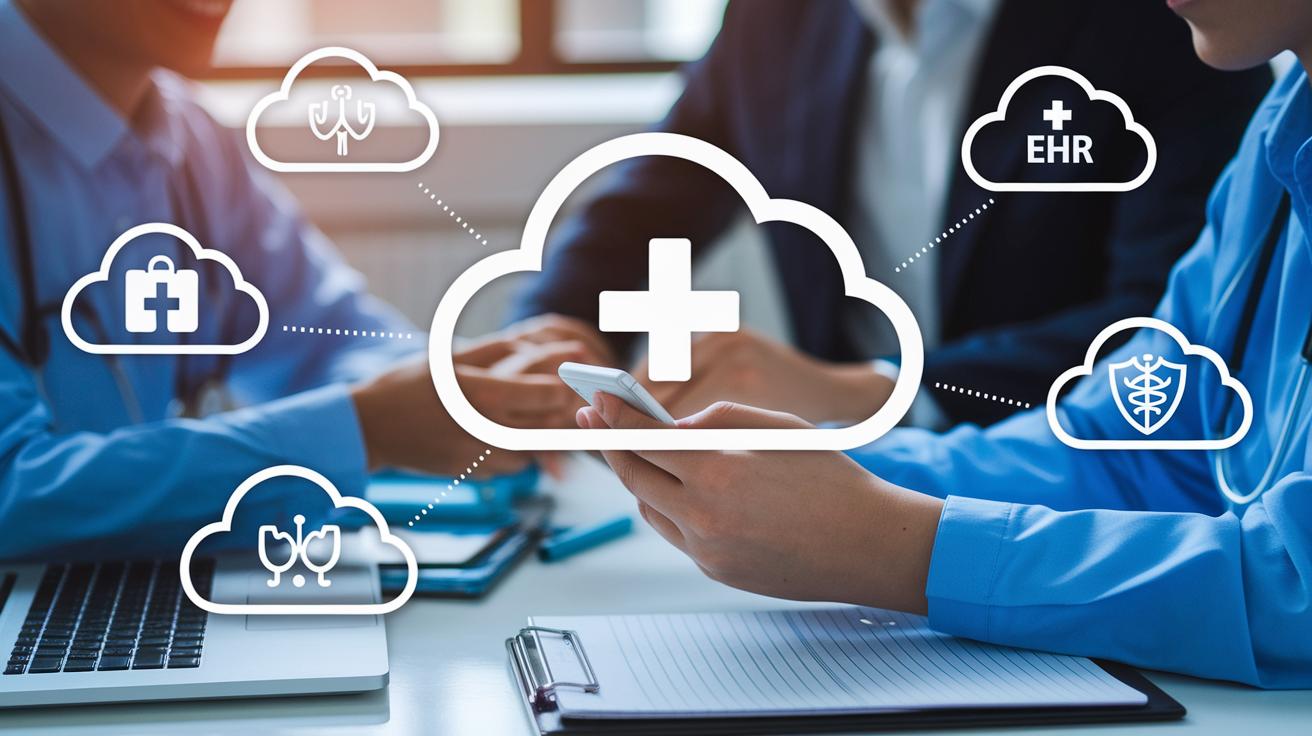
The planning phase starts by getting everyone on the same page. Providers, IT teams, and clinical staff need to talk about goals and share ideas. For example, a hospital administrator might say, "We need to ensure every department knows its role." This kind of teamwork sets clear expectations and helps prevent misunderstandings later on.
Next, when it comes to technical needs, making sure devices work together and having a strong network is key. Providers should check if their current health gadgets work well with electronic health records (digital files for storing health info). A simple check-up can make sure all parts of the system can "speak the same language." Plus, a solid network design means everything runs smoothly without delays.
Data safety and using cloud storage are also crucial. Systems need to use HIPAA-compliant encryption (special coding to protect data) and secure methods for sharing information. Storing patient records in the cloud lets clinicians access up-to-date information quickly. With strict controls on who can see what, this setup helps keep patient details safe from unauthorized eyes.
Finally, proper staff training, easy patient onboarding, and ongoing support ensure the technology does what it's supposed to do. Practical methods include hands-on training sessions, routine check-ins, and simple guides to help users get comfortable with new devices. This constant support helps reduce workflow bumps and bridges gaps, especially in areas with spotty internet, so connected care can run without a hitch.
Measuring Patient Outcomes in Connected Home Health Care
Remote care means keeping a close eye on how patients are doing. Devices in the home send alerts when readings stray outside safe limits. For instance, a wearable might signal when a value goes too high, so everyone knows right away to check in.
Key numbers like hospital readmission rates, patient satisfaction, safety threshold events, and how well patients stick to their medication all show the benefits of connected care. Lower readmission rates mean patients stay healthier at home, and high satisfaction and adherence scores show they feel well supported. Each number links to digital alerts that help improve care practices.
Digital dashboards and secure patient portals gather data, show trends, and prompt alerts when things go off track. These tools let providers and patients chat about the results and sort out issues quickly. For example, if a secure portal shows a sudden rise in threshold breach events, care teams can step in immediately. Check out "how to measure patient outcomes" at this resource for more details.
Future Trends in Connected Home Health Care Technologies
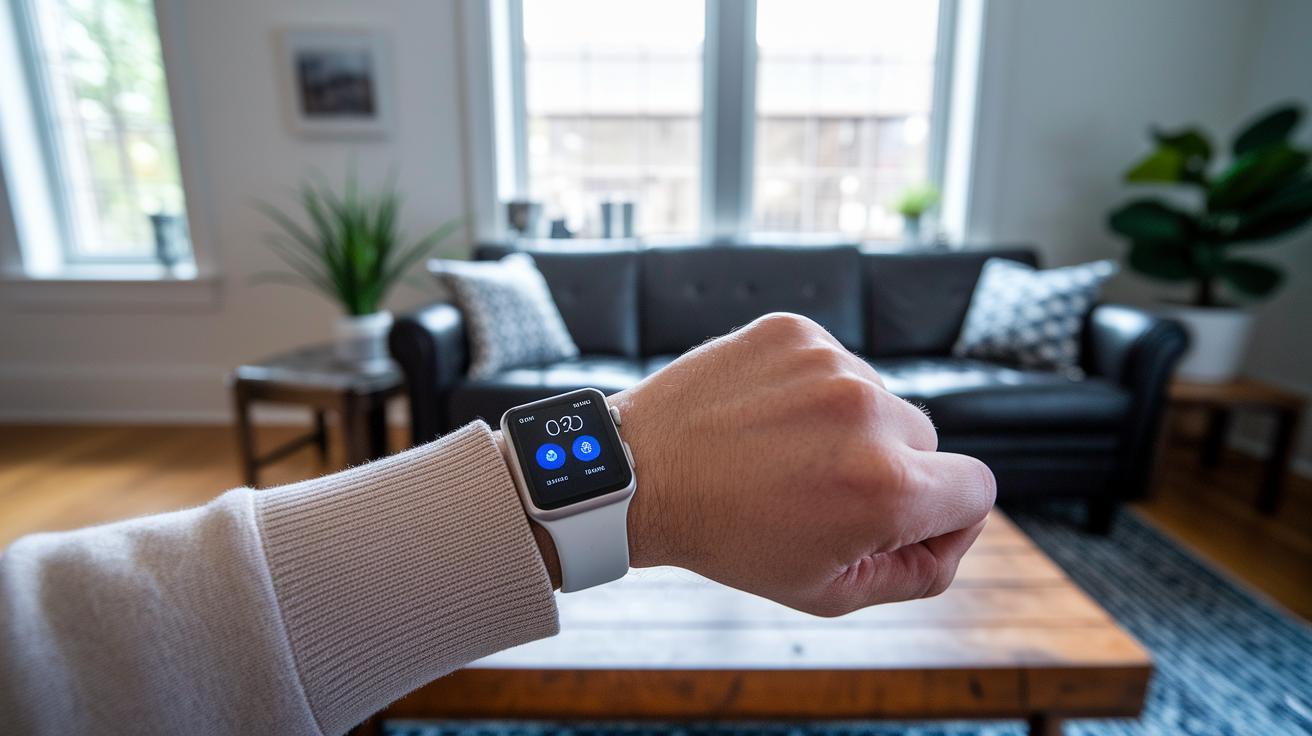
Innovation in connected home health care is really taking off with smart tools like AI-powered wellness systems, cloud-based health solutions, and Internet-of-Things gadgets. Imagine a little system that quietly keeps an eye on your vital signs and even hints at potential issues before you notice them. It makes every day feel a bit safer and more connected.
AI is getting pretty good at catching risks by using smart health analysis. It goes through data from everyday devices like sensors and wearables, picking up early warning signs you might miss. Picture an algorithm noticing a change in your blood pressure before you feel any different. It’s like having another caring pair of eyes right at home.
Cloud systems now scale up to support thousands of monitors at once. They collect and sort huge streams of data in real time so your care team always gets the important details right when needed. It works behind the scenes, making health management smoother and more efficient without much fuss.
New sensor technologies, including tiny implantable and ingestible devices, are set to give patients more control over their own health. Along with these, online wellness platforms are bringing in social and peer support, adding a personal touch to care. For instance, learning about long-term shifts in connected care through these trends is a bit like discovering the latest moves in personalized medicine.
Final Words
In the action, connected home health care blends telehealth and IoT monitoring to improve everyday wellness. This article showed how smart devices track key health data while coaching and real-time clinician access help reduce hospital readmissions.
It also highlighted the role of secure, integrated systems that support preventive care and boost patient confidence. Overall, these advances offer promising tech-enabled wellness enhancements that can make a positive difference in everyday health outcomes.
FAQ
What do connected home health jobs and home health care Portland jobs involve?
The connected home health jobs and Portland home care positions involve roles that use telehealth and IoT technology to monitor patients at home. These jobs focus on remote patient support, real-time data tracking, and ensuring timely care.
What is Providence Home Health and what services does it offer?
The Providence Home Health refers to a provider that delivers in-residence care through connected systems. They offer comprehensive home health services using remote monitoring and digital tools to keep patients engaged and safe.
How does mobile primary care work in connected home health systems?
The mobile primary care model uses digital platforms for virtual and on-site evaluations. It ensures clinicians easily connect with patients, enabling prompt care via telehealth visits and real-time monitoring of health indicators.


