
Have you ever noticed little red bumps that suddenly appear and make you itch? They might look tiny, but they can be really uncomfortable. Sometimes they come from something you ate or even from something in the air. Even regular things you touch can start this reaction. In this post, I'll talk about what might be causing these bumps and share a few simple ways to calm your skin. Let's dive in and see how you can feel better without always having to scratch.
Understanding Red Itchy Bumps on Skin: Causes, Symptoms, and Treatments
Have you ever noticed small, red bumps that make your skin itch or feel like it's burning a bit? They can pop up all at once or slowly creep in, and sometimes they look a lot like mosquito bites. Most folks call them a rash or say they have red, itchy spots, but one thing is clear – they make you want to scratch for relief.
There are a few reasons these bumps might appear. For instance, you might get them if your body reacts to something you ate, a medicine, or even something in the air like pollen (tiny particles from plants that float around). Infections from bacteria or viruses can also be the culprit, and these often come with other signs that something isn’t right. And if you've got a condition like eczema, these bumps can stick around and even get more inflamed as time goes on. It helps to think about what you were doing or what you might have touched before the bumps showed up.
For many people, simple home care can ease the discomfort. A cool, damp cloth on the area or a gentle cleanser can feel soothing, and over-the-counter lotions might help calm the itch. But if the bumps start to spread, worsen, or begin to mess with your sleep and daily routine, it's a good idea to talk to a dermatologist. Getting a clear diagnosis is really important so you can use the right treatment and get your skin feeling better.
Common Causes of Red Itchy Bumps on Skin

Figuring out what sets off those little red, itchy bumps is a big step toward feeling better. Maybe you notice a few tiny red spots after enjoying a snack or see a flare-up after trying a new lotion. Knowing the reason can help you choose the right way to calm your skin. Sometimes these bumps look like insect bites, but they might be signals from your body reacting to different things like food, the air around you, or other substances.
- Hives
- Insect bites (like from mosquitoes or bedbugs)
- Contact dermatitis
- Scabies
- Eczema
- Other rashes (such as heat rash or keratosis pilaris)
At times, rarer triggers can cause these outbreaks, too. For example, a strange exposure at work or a sudden change in the weather might lead to a reaction. Once you figure out what might be behind the bumps, you can decide if you need some simple home remedies or should seek advice from a skin specialist.
Recognizing Symptoms and When to Seek Help for Red Itchy Bumps
Sometimes you notice a few small red bumps or a bit of irritation that you can handle at home with an over-the-counter cream. But if those little spots turn into clusters of painful nodules that spread, it might mean your skin needs more than basic care. Ever noticed how even a tiny bump can hint at something more serious?
There are a few signs that you should watch out for. If you see painful blisters, any bleeding, or if you suddenly feel feverish or extremely tired, those are clear signals that something's not right. Imagine a small bump quickly turning into a painful blister. It’s best to take these changes seriously rather than just brushing them off.
If your rash sticks around for more than 3 to 5 days or spreads quickly, it's a good idea to get a professional opinion. When simple home treatments aren’t working and the bumps start to affect your daily life, talking to your healthcare provider is the next step. Here’s a quick guide on what to look for and when to seek help:
| Symptom | Description | Action Needed |
|---|---|---|
| Mild Itch | A few small red bumps with a little itch | Home care with OTC creams |
| Moderate Spread | Clusters of bumps, more persistent itch | Try an antihistamine and watch for 2-3 days |
| Painful Blisters | Bumps that turn into tender, fluid-filled blisters | Call your doctor within 24 hours |
| Systemic Signs | Fever, tiredness, swollen glands | Seek urgent medical care |
Red Itchy Bumps on Skin: Find Soothing Answers
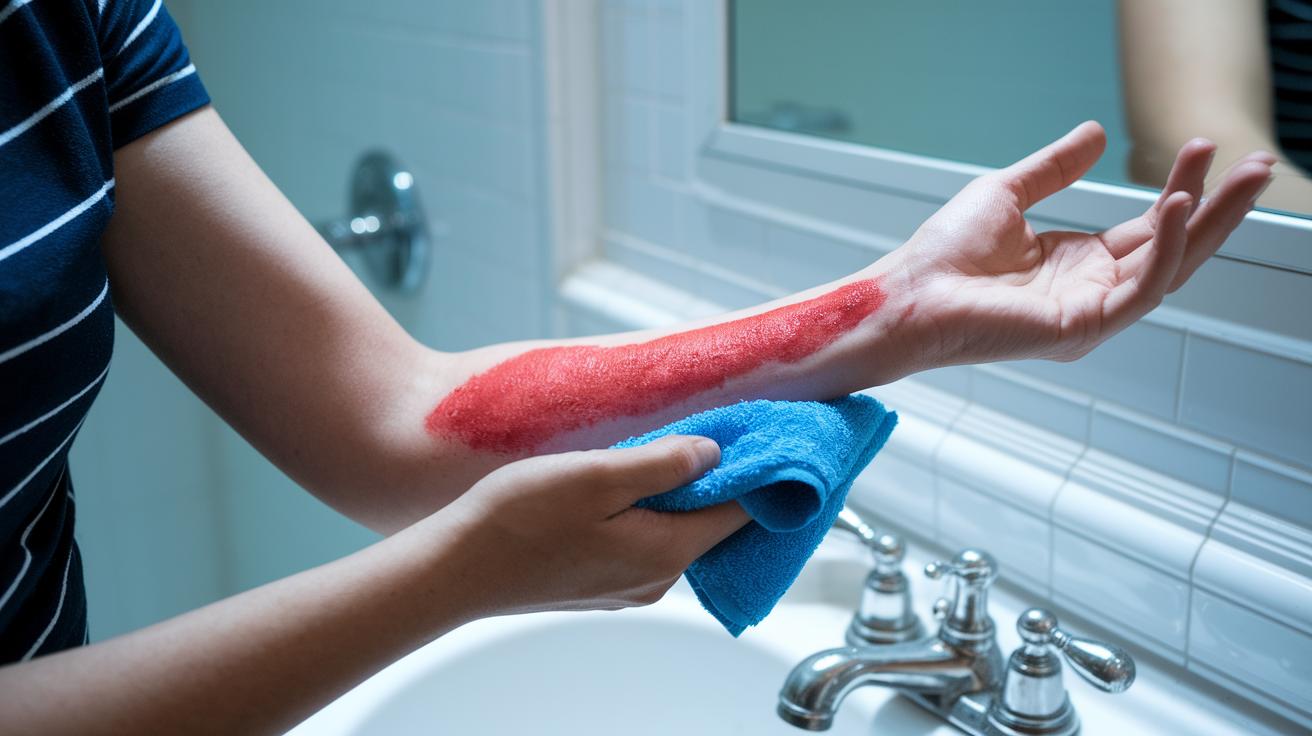
Start by trying some natural anti-itch fixes at home. A cool, damp cloth over the itchy spot works wonders to calm swelling and soothe irritation. You might also try some calamine lotion or even a warm bath with colloidal oatmeal (a finely ground oatmeal that helps relax your skin). Picture yourself on a hot day, holding a cool, moist towel against your skin, and feel how it eases the itch and softens the inflammation.
Next, if your discomfort sticks around, oral treatments can do the trick. Over the counter meds like diphenhydramine help take the edge off the itch, while ibuprofen or acetaminophen can tackle any pain. Make sure you follow the label directions since these are usually taken every 4 to 6 hours as needed. A little tip: if you see improvement a few hours after taking a dose, you might not need another right away. It all comes down to finding the right balance until your skin feels better.
Lastly, a gentle daily skincare routine is really important. Stick to fragrance-free moisturizers to keep your skin hydrated and choose a mild cleanser to avoid extra irritation. If you notice the rash spreading or if the pain and redness get worse, it’s a good idea to stop any self-treatment and check in with a healthcare provider. Watching for these signs helps you know when it’s time to get professional help before things get any more out of hand.
Prescription and Medical Treatments for Persistent Red Itchy Bumps
When home treatments and store-bought solutions just aren’t cutting it, your doctor might suggest creams with medicines like topical corticosteroids (creams that help reduce swelling) or immunomodulators (medicines that calm your body’s defense system). These treatments work by easing inflammation and soothing your skin, a bit like applying a cool gel to a minor burn for relief. Sometimes, the doctor might also recommend stronger antihistamines to manage tough reactions, giving your skin a chance to heal without constant annoyance.
If scabies is behind your red bumps, you’ll need a special treatment plan. In that case, your doctor will likely prescribe permethrin cream to rub all over your body, including spots you might easily miss like between your fingers and under your nails. You usually apply it twice, with a repeat after a few days, to catch those pesky mites and any eggs they might leave. And it’s a good idea for the people close to you to get treated too so that the bumps don’t come back.
When eczema or hives (urticaria, another name for skin allergies) keep acting up despite creams, your doctor might turn to medicines that work throughout your body. For serious eczema, they might use pills like oral steroids or even biologic agents (special medicines that target the immune system). These treatments can really help, but you’ll need to follow your doctor’s instructions closely and monitor for any side effects. Regular check-ups make sure the treatment is on track as your skin slowly returns to normal.
Identifying Specific Skin Conditions Underlying Red Itchy Bumps
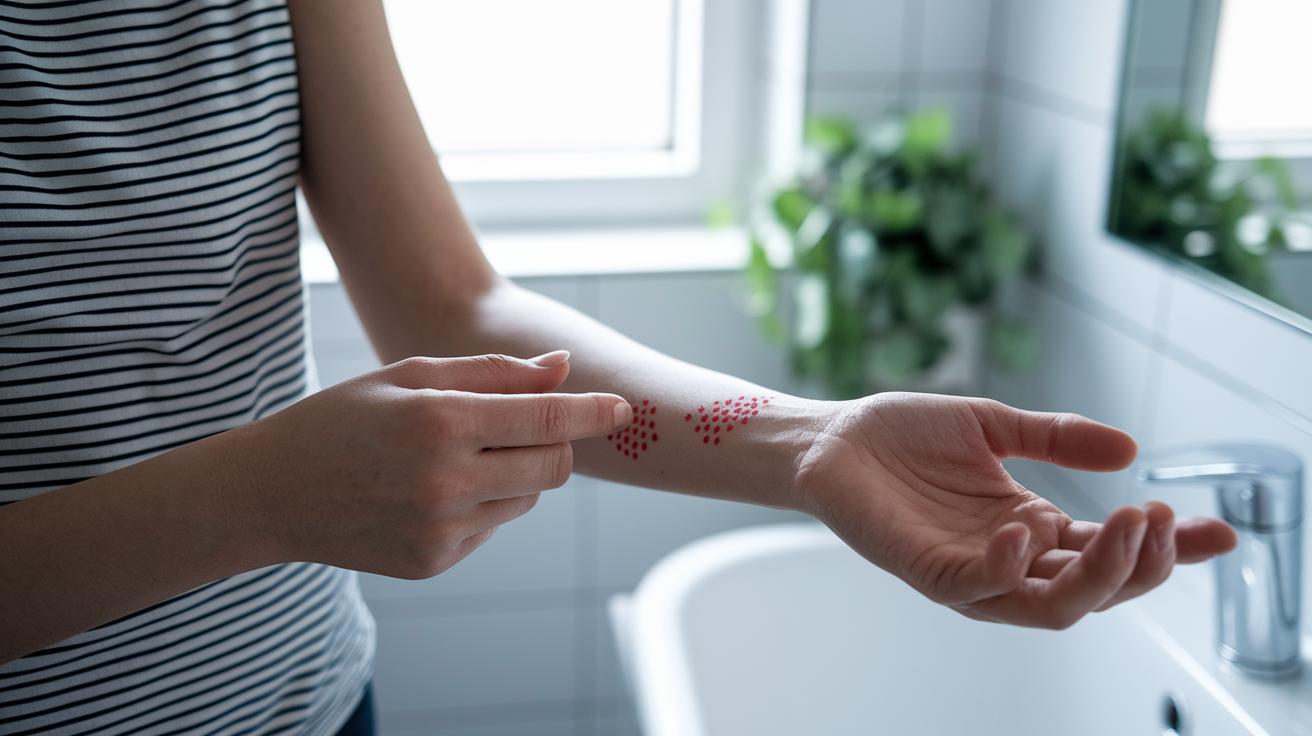
When red, itchy bumps appear on your skin, figuring out what they really are can help ease the discomfort. Sometimes these bumps look like hives, while other times, they pop up because your skin is reacting to something it touched. Knowing whether it's contact dermatitis, a general irritation, or another condition altogether helps guide you to the right care. Let’s take a closer look at some common skin issues.
Hives (Urticaria)
Hives are raised, red bumps that often show up quickly and then fade away just as fast. They’re usually triggered by things like certain foods or medications. You might even see them move around on your skin. A good idea is to steer clear of known triggers and use a cool compress to ease the itch. And if the discomfort persists, an over-the-counter antihistamine might just do the trick.
Contact Dermatitis
This condition happens when your skin reacts to allergens such as metals or chemicals found in household products. It can lead to a rash with small bumps that appear soon after you come into contact with the irritant. You might feel a stinging or burning sensation along with the red bumps. Using calamine lotion or applying a cold pack can offer quick relief. Just picture yourself gently dabbing a cool cloth on the affected area to calm the irritation.
Scabies
Scabies is caused by tiny mites that sneak under your skin and create little tunnels, which can seriously itch, especially at night. You might notice small red bumps in areas where the skin folds. The usual treatment involves covering your whole body with permethrin cream and sometimes treating those close to you too, to keep the mites from spreading further.
Eczema (Atopic Dermatitis)
Eczema usually shows up as dry, itchy patches that can sometimes feel a bit scaly. Over time, these red, irritated spots might thicken, making them even more uncomfortable. Keeping your skin hydrated with emollients (moisturizing creams) is really important, as is avoiding any triggers you’ve discovered. In tougher cases, your doctor might suggest a prescription cream to help control the flare-up.
Preventing Red Itchy Bumps on Skin and Managing Triggers
If you want to stop red, itchy bumps, start by watching what products you use and the environment around you. Stick with items that are free from strong smells and harsh chemicals. For instance, choose fragrance-free laundry detergent and gentle skincare products. Wearing loose, airy clothes can also keep your skin calm.
Taking care of your skin matters a lot. Try a simple routine: wash with lukewarm water and follow up with a plain moisturizer. Drinking plenty of water and eating lots of fruits and veggies can really make a difference, as these habits help build a natural shield for your skin.
Stress can add to your skin flare-ups too. When you feel overwhelmed, try deep breathing, take a quiet walk, or do some light exercise. Also, keep in mind that changes in the weather, like more heat or humidity, might trigger bumps. And if those red, itchy bumps stick around, it might be a good idea to talk to an allergy specialist.
Final Words
In the action, our post explored what red itchy bumps on skin really look like and the factors behind them, from allergies to eczema. We broke down simple tips for home care, when to try over-the-counter methods, and when a doctor’s visit is needed.
You now have a clear guide on spotting symptoms and taking small steps to feel better. Embracing informed tech adoption for health can make a real difference every day.
FAQ
What do itchy bumps on skin like mosquito bites but aren’t indicate?
Itchy bumps like these may indicate an allergic reaction, a mild infection, or even eczema. They often appear red and raised, signaling that something in your environment may be triggering your skin.
What could cause small red itchy bumps on the skin that itch?
Small red itchy bumps can be caused by hives, insect bites, contact allergies, eczema, or even scabies. Identifying the trigger helps you choose the best way to relieve the discomfort.
Why do I experience random itchy bumps that come and go?
Random bumps may result from mild allergic responses, irritants, or changes in your skin’s condition. They often appear unpredictably and may fade without lasting issues.
When should I worry about a rash in adults?
A rash should be concerning if it spreads widely, forms painful blisters, or comes with fever and fatigue. In such cases, a medical check-up is advisable to find the cause.
What are skin allergy types and how do they look?
Skin allergies can show up as raised, red, and itchy spots, often triggered by foods, medications, or contact with irritants. Pictures of these rashes usually reveal similar visual patterns with clear irritant marks.
Why might I suddenly get red, itchy bumps on my body?
Sudden red, itchy bumps may occur due to new exposures to allergens, stress, or even infections. Paying attention to any other symptoms and changes in your environment can help explain the reaction.


