
Ever wondered which berry gives your day a real boost? Blueberries pack a punch of vitamin C and antioxidants (substances that help protect your cells), making them a tasty option. Acai berries, on the other hand, come loaded with fiber, protein, and iron without too much sugar. They both have their own way of keeping you energized.
In this post, I'm going to break down what makes these berries unique. We'll chat about how they taste, feel, and what they add to your health routine. Curious to see which one might be the perfect fit for you? Keep reading to decide which berry could become a key part of your daily routine.
Blueberries vs Acai Nutritional & Health Profile Comparison
Let’s take a look at what makes blueberries and acai berries special for your health. Blueberries come with a big dose of vitamin C (one cup gives you 24% of the daily need), and they’re bursting with antioxidants and polyphenols that help keep your brain sharp and your body full of energy. Acai berries, on the other hand, offer a hearty mix of fiber and protein while keeping sugar low. They even bring more flavonoids and extra iron, which help protect your cells and boost your energy.
Here’s a quick rundown:
- Vitamin C (amount per serving)
- Fiber and protein levels
- Sugar content
- Variety of flavonoids and polyphenols
- Minerals like iron
When you’re picking between the two, think about what your body needs. If you’re looking for a vitamin C kick to support your immune system, blueberries might be the best pick. But if you want a low-sugar, high-fiber choice loaded with different protective nutrients, acai could be the way to go. These unique qualities can help you build a snack or meal plan that matches your own health goals.
Flavor & Texture Distinctions in Blueberries vs Acai
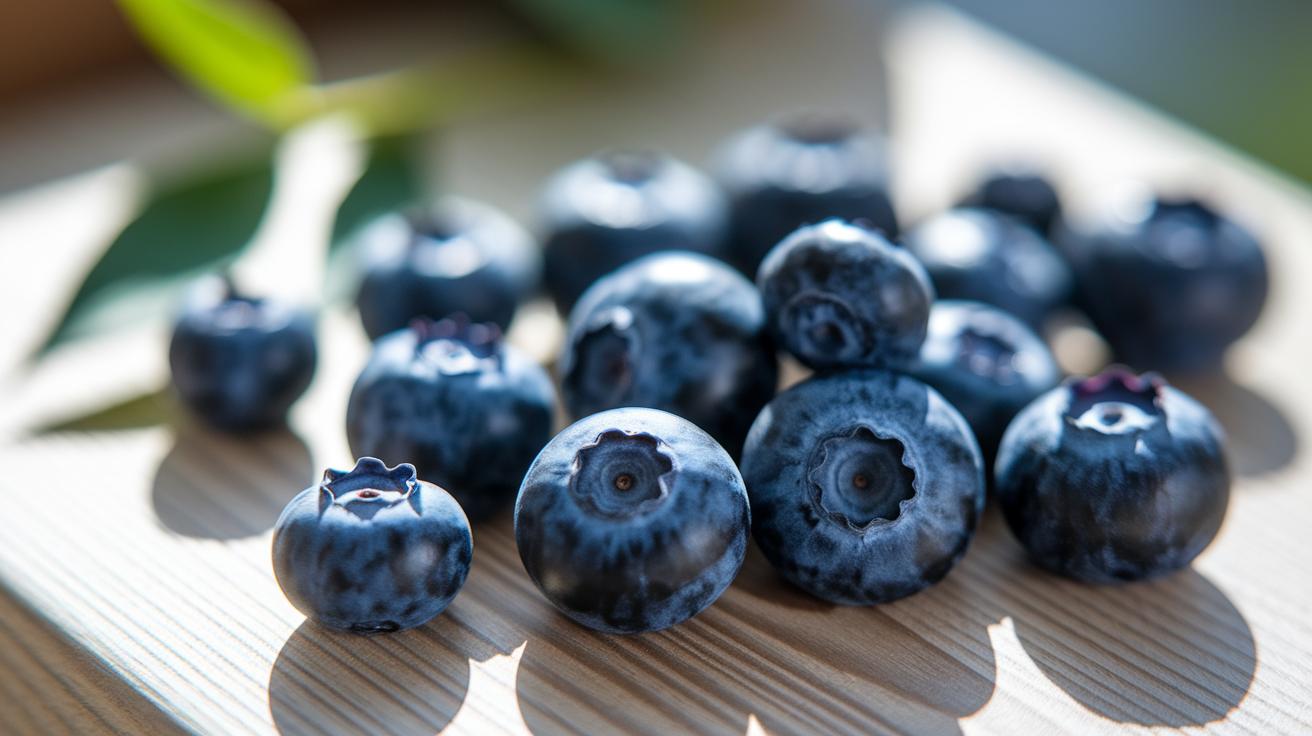
Wild blueberries, especially the little lowbush ones, pack a real punch. They’re small, hold less water, and burst with a sweet-tart flavor that hints at floral notes. Cultivated blueberries, however, are big and juicy. They offer a gentle sweetness with a light tart edge. You can really taste these differences when they're in season, the texture shifts with each harvest.
Acai berries, particularly the dark purple or black ones, are in a league of their own. They start off with a bit of an earthy, bitter kick that softens into mild sweetness with a nutty hint, sometimes even a whisper of chocolate and blackberry. Whether you’re using the frozen unsweetened puree or the freeze-dried powder, they deliver a layered taste that works well in many kinds of recipes.
When you’re mixing and matching in the kitchen, these textures and flavors help guide your choices. For instance, the juiciness of cultivated blueberries can balance a tangy yogurt bowl, while the concentrated burst from wild blueberries adds extra zing to baked treats. Acai’s deep and rich taste makes it a great pick for smoothies and bowls, blending health perks with a unique culinary twist.
Antioxidant Levels & Phytonutrient Profiles in Blueberries vs Acai
Antioxidants are like natural bodyguards that help keep us healthy by taking care of harmful agents. Blueberries are famous because they pack lots of polyphenols (plant compounds that help protect your cells) and anthocyanins (natural pigments that support brain health). Acai berries, on the other hand, step things up with an even higher burst of antioxidants than fruits like cranberries, raspberries, blackberries, and strawberries. They also bring a wide mix of phytonutrients that work to protect cells and soothe inflammation.
| Profile Category | Blueberries | Acai |
|---|---|---|
| Total Antioxidant Concentration | High | Very High |
| Polyphenolic Diversity | Broad | Broader |
| Anthocyanin Spectrum | Standard range | Expanded range |
| Flavonoid Variety | Moderate | High |
| Anti-inflammatory Compounds | Present | Enhanced levels |
If you need a steady boost for brain support, blueberries might be your go-to. But if you’re looking for a strong, all-around antioxidant punch for overall cell health, acai berries are a great pick.
Health Benefits of Blueberries vs Acai: Heart, Brain & Immune Support

Cardiovascular Benefits
Blueberries are awesome for your heart. They help keep blood pressure steady and lower the LDL (that's the "bad" cholesterol). It’s like giving your heart a smooth, steady beat. Acai berries join in too, with natural compounds that calm inflammation and protect your cells. Imagine a well-tuned engine where every part works together perfectly. This balance helps your heart and blood vessels stay in great shape.
Cognitive Support
When it comes to a sharp mind, blueberries really shine. They’re full of polyphenols (plant chemicals that support memory) which help keep your thoughts clear and your mental pathways strong. It’s almost like a little brain boost with every bite. Acai berries add to this by offering essential flavonoids (another type of good-for-you compound) that defend brain cells from stress. Ever notice how a bowl of blueberries can feel like a refreshing mental reset? It’s a natural way to support focus and memory.
Immune Function
Both of these berries pack a punch when it comes to antioxidants that help fight inflammation and support your immune system. Blueberries are loaded with vitamins and other natural goodies that help keep harmful invaders at bay. Acai, on the other hand, brings a mix of flavonoids and iron, which is important because iron helps make red blood cells that carry oxygen through your body. This mix keeps your natural defenses strong and ready to tackle whatever comes your way.
Choosing between the two is all about what fits your needs. If you’re looking for steady heart support and a gentle boost to your memory, blueberries might be your best bet. But if you’re aiming for a stronger defense against inflammation and need extra fiber and iron, acai could be the way to go.
Sourcing, Sustainability & Seasonal Availability of Blueberries vs Acai
Blueberries are mainly grown in North America and come in two kinds. One kind, highbush, is farmed for its big, juicy berries. The other, lowbush, grows wild and has a sweeter, more concentrated taste. Their best time is from May to August, so you can usually find them fresh at your local market or in frozen packs that keep their good nutrients intact. Think about how nice it feels to grab a bowl of fresh blueberries in early summer, knowing they were grown just a few miles away.
Acai berries, on the other hand, grow in the Amazon basin in northern Brazil on the acaizera palm. Due to the steady tropical climate, they are picked all year long. Instead of being sold fresh like blueberries, acai is typically made into a thick puree or a fine powder. This powder is then frozen or freeze-dried to hold on to its special nutrients. Picture mixing a scoop of acai powder into your smoothie to add a burst of exotic flavor.
Both berries are becoming more popular as people look for organic and eco-friendly produce. Many farmers now use sustainable practices to keep the soil healthy and cut down on chemicals. Even small growers are working hard to produce blueberries and acai in ways that respect natural growth cycles and help the environment for years to come.
Blueberries vs Acai: Radiant Nutrient Benefits
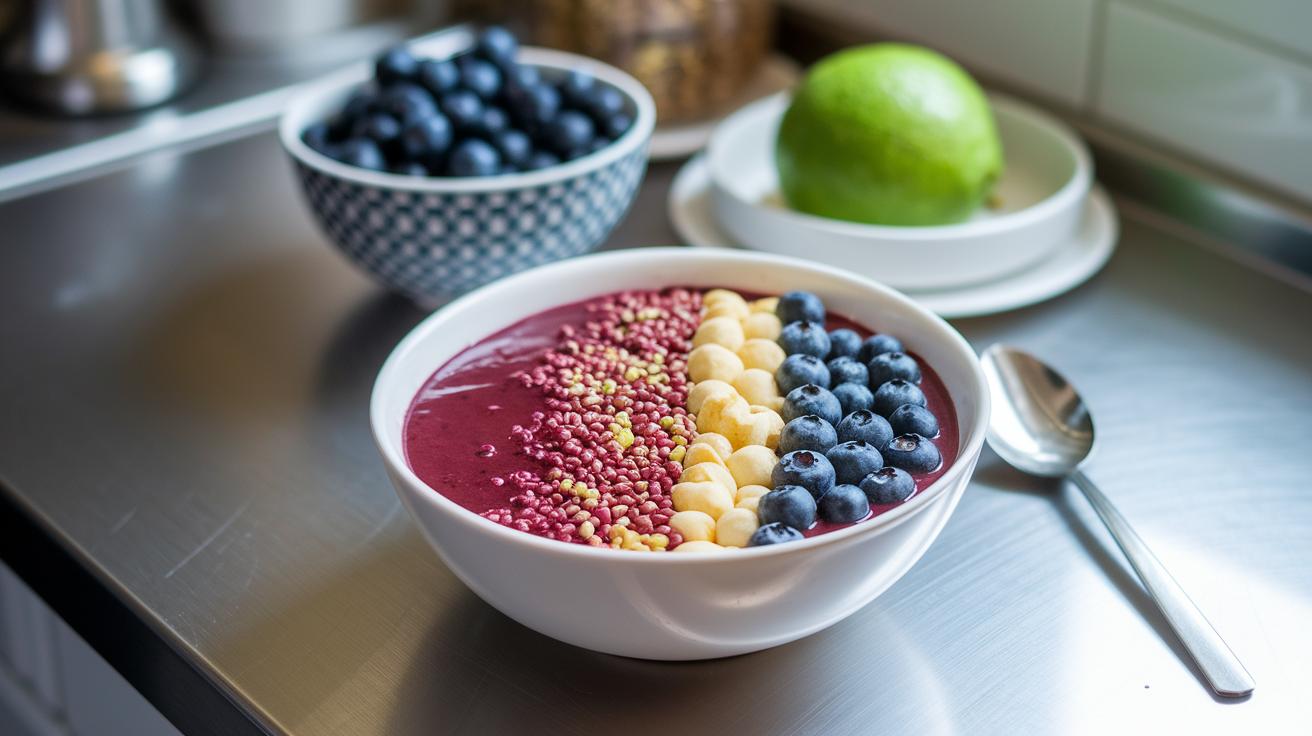
Blueberries and acai are really great for giving you a healthy boost. They both come in different forms so you can easily add them to your meals throughout the day. Blueberries can be found fresh, frozen, or even dried, while acai usually shows up as a frozen, unsweetened puree or a freeze-dried powder. It’s super simple to mix these into your everyday snacks and dishes.
You might toss some blueberries into a fresh summer salad or blend acai into a creamy smoothie. It’s like getting a small burst of nutrients with every bite.
Here are some ideas for blueberries:
• Smoothie (a mix of fruit and liquid for a cool drink)
• Parfait (yummy layers of yogurt and granola)
• A fresh, ready-to-eat snack
• A salad topper for extra color and sweetness
• Baked treats like muffins or pies that have a natural sweetness
And here are some ways to enjoy acai:
• Acai bowl with granola (a thick blend, perfect for breakfast)
• Blended juice mixed with other fruits
• Frozen popsicle for a chilly treat on a warm day
• Supplement capsules for when you're on the go
• Smoothie packs that combine acai with other fruits for a filling snack
Mixing both berries into your routine can give you a balanced mix of essential nutrients and keep your meals fun and interesting. For more ideas on boosting your daily nutrition, check out these links: https://medsfax.com?p=2092 and https://healthlystats.com?p=2442.
Final Words
In the action, this article compared the key features of blueberries vs acai in clear, side-by-side sections. We talked about nutritional metrics, taste differences, antioxidant power, health benefits, and even how to add them to everyday meals.
The comparison highlights that while each berry brings unique nutrients and flavor, both serve as great parts of a balanced diet. Trying out these smart food choices can brighten your daily health routine and boost overall wellness.
FAQ
What does blueberries vs acai taste mean?
The blueberries vs acai taste description shows that blueberries bring a sweet, tangy flavor—with wild ones hinting at floral notes or cultivated types feeling mild—while acai starts earthy and bitter, finishing with a nutty, subtle sweetness.
What do blueberries vs acai health benefits include?
The blueberries vs acai health benefits explanation shows that blueberries support heart, brain, and blood sugar control, while acai berries offer cell protection, anti-inflammatory effects, and extra fiber for overall support.
How does blueberries vs acai nutrition compare?
The blueberries vs acai nutrition comparison shows that blueberries pack vitamin C, antioxidants, and polyphenols, whereas acai berries supply more fiber, protein, diverse flavonoids, and a higher iron content.
What is the acai berry vs blueberry antioxidant profile?
The acai berry vs blueberry antioxidant review shows that both berries are rich in antioxidants, but acai boasts a higher overall concentration and a broader mix of phytonutrients.
How does açaí differ from pitaya?
The açaí vs pitaya comparison reveals that açaí berries excel in antioxidants and a varied phytonutrient profile, while pitaya (dragon fruit) offers a lighter taste and distinct vitamins and fiber benefits.
What distinguishes acai from blackberry?
The acai vs blackberry evaluation indicates that acai supplies more fiber and a wider range of flavonoids, while blackberries shine with vitamin C and a classic berry flavor profile.
Is acai or blueberries better for you?
The acai or blueberries better-for-you comparison depends on your dietary needs; choose blueberries for vitamin C and brain benefits or acai for extra fiber, protein, and a richer antioxidant mix.
Why do some doctors say not to eat blueberries?
The caution about blueberries arises from concerns over pesticide residues and added sugars in processed forms, which may affect individuals with specific sensitivities or health conditions.
Are acai berries similar to blueberries?
The similarity between acai berries and blueberries lies in their high antioxidant content, yet they differ in flavor, nutrient composition, and origins, making each suitable for different nutritional goals.
What is the healthiest berry to eat?
The healthiest berry depends on your goals; blueberries may boost vitamin C and brain health, while acai berries provide extra fiber, protein, and a more diverse antioxidant array.


